• Blog
  • Clients
  • About Me

Richard Bratby

~ Classical music writer, critic and consultant

Richard Bratby

Tag Archives: CBSO

Victor Hely-Hutchinson’s Box of Delights

22 Tuesday Dec 2015

Posted by richardbratby in Uncategorized

≈ Leave a comment

Tags

Birmingham Town Hall, Carol Symphony, CBSO, Christmas, Leslie Heward, Victor Hely-Hutchinson, Wolverhampton

I first published this post about a forgotten giant of Birmingham musical life and his solitary, much-loved seasonal masterpiece a few years ago, and I reposted it last Christmas. It always seems to draw a reasonably lively response, so in the spirit of the season, I hope you’ll forgive me for putting it up again. Happy Christmas, folks!


So here it is, Merry Christmas, and we have it on unimpeachable authority that everybody is having fun. Forgive me: I lived in Wolverhampton for eight years (well, it was good enough for Percy Young) and Noddy Holder is like a god there.

I’m not the world’s greatest fan of seasonal pop music. But I am, however, a fan of Victor Hely-Hutchinson’s A Carol Symphony – a work with a deep connection to the English Midlands, and not just through its association with successive dramatisations of The Box of Delights. Here’s a blogpost I wrote in 2009 about the music and its (largely forgotten) composer. When it was first published I was delighted to receive a charming and kindly email from the composer’s then-78 year old son Christopher, who was living in Ludlow. Hopefully he still is.
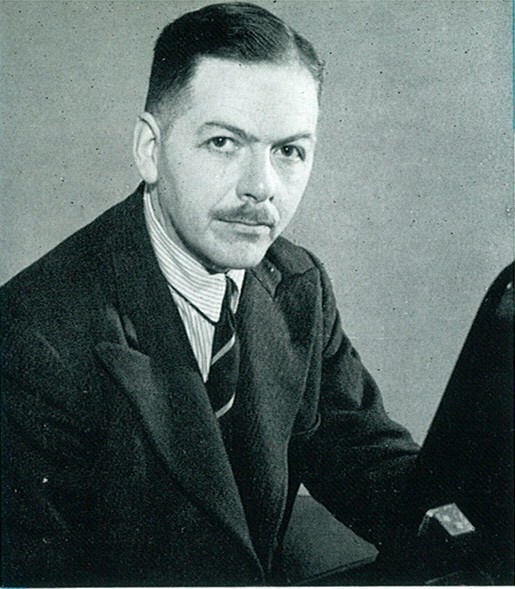

Hely-Hutchinson

Victor Hely-Hutchinson (1901-1947)

When I was 11, my younger sister and I were both captivated by the BBC’s TV adaptation of John Masefield’s The Box of Delights. She liked the fantastic story, and the Christmassy atmosphere; I liked the steam trains. But one thing that we both loved, and which seemed to capture the whole wintry magic of the thing, was the signature tune – which we could tell, even then, was “proper” music, not just a typical children’s TV theme (this being the early 1980s, the lack of synthesizers was the giveaway). Here’s that title sequence in full (warning, unseasonably noisy Youtube advert may play first!).

I asked my father if he knew what it was – not realising that a pre-war radio dramatisation of The Box of Delights, with the same music, had become a seasonal classic for an earlier generation. Or that my father – at much the same age – had asked exactly the same question. He pulled out a Classics for Pleasure LP with a snowy landscape on the cover. The piece on it was called Carol Symphony, and the composer was Victor Hely-Hutchinson.
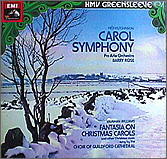
Carol Symphony cover 1

Sleeve art the way it used to be.

The record-sleeve told us that he’d been born on Boxing Day 1901, and had been Regional Director of Music for the BBC in Birmingham. It wasn’t very easy to find out much more back then, but it is now, and for the full story, there’s an excellent online biography by his son John. In short, Christian Victor Hely-Hutchinson was born in Cape Town, studied music with Charles Villiers Stanford and Donald Tovey, and at the age of 12 played a Mozart piano concerto with the LSO. In 1933 he landed the Birmingham job, and rapidly involved himself with every part of the city’s musical life – not least the 13-year old City of Birmingham Orchestra and its then music director Leslie Heward.

Hely-Hutchinson never held an official post with the CBO – but he was a tireless supporter of the Orchestra throughout the 1930s and 40s. The CBSO’s performance record-cards from that period are dotted with the initials VHH – indicating that he’d written the programme notes for a particular work. He gave pre-concert lectures (he took a doctorate in 1941, though he’d held the Chair of Music at Birmingham University since 1934). He appeared as piano soloist with the orchestra, notably in Mozart concertos, and in 1944 he performed his own rhapsody The Young Idea (intriguingly subtitled “cum grano salis”) with George Weldon conducting. It’s recently been recorded by Dutton.

And he did it all with consummate professionalism. The CBO’s manager Gerald Forty (of the piano-makers Dale, Forty) remembered that:

His quiet confidence was most reassuring. I see him in my mind’s eye, sitting at my desk. He knocks out a half-smoked pipe, his inseparable companion: fills it, lights it, takes a few puffs – finds it won’t draw – scrapes it out, refills it, wastes more matches – and so on da capo. While my ashtrays were being filled, his mind was concentrated on the matter at hand, and with a remarkable economy of words, he stated his views and recommended a solution.
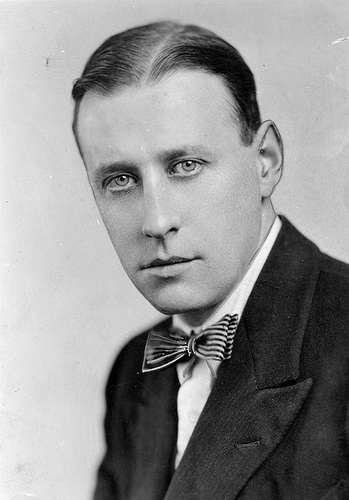
Leslie Heward

Leslie Heward

But it was during wartime that Hely-Hutchinson gave his greatest service to the CBO. In early 1940, while working as a volunteer Air Raid Precaution warden, he performed (from memory!) a complete cycle of Beethoven Piano Sonatas at the Birmingham and Midland Institute – in aid of Orchestra funds. Meanwhile, he corresponded regularly with Leslie Heward, then recovering in Romsley Sanatorium from the TB which was to kill him just three years later. When Heward died in May 1943, Hely-Hutchinson rallied to the support of the CBO. As Forty recalled:
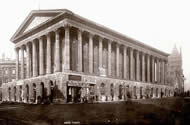
birminghamtownhall

Birmingham Town Hall in wartime. Hely-Hutchinson took part in ARP fire drills on the roof.

The problem of finding another conductor at short notice and of maintaining a full complement of players with War staring us in the face, was one of extreme perplexity; but Victor solved it by the apparently simple expedient of doing the entire job himself – including the compiling of programmes, rehearsing the orchestra (which he did anonymously and gratuitously for many years), conducting the concerts and dealing efficiently and decisively with the innumerable emergencies…

Hely Hutchinson was initially unconvinced by Heward’s successor, George Weldon, but with typical fair-mindedness was happy to revise his opinion after Weldon had settled into the post a year or so later:

“I want to tell you how right I think you were about George Weldon – and by the same token, I was wrong – eighteen months ago” he wrote to a colleague in June 1944. “As a pure musician, I cannot think him the equal of Leslie, but then, practically nobody is, and some of George’s performances – notably of Mozart – made me feel that he has the root of the matter in him”.

The following year, Hely-Hutchinson was offered the post of Director of Music for the BBC in London, and swapped his home near Droitwich for one in St John’s Wood. But he remained a familiar face in Birmingham music, and there was genuine shock in the city in March 1947 when the news arrived that he had died of pneumonia, aged just 45. The CBO paid its own tribute three weeks later, when Weldon conducted the first performance of Hely-Hutchinson’s recently-completed Symphony for Small Orchestra. (The concert was broadcast, and an incomplete recording survives in the CBSO archive).

Somehow, in this short but full musical life, Hely-Hutchinson found time to compose around 150 original works. The best known (by a country mile) is the Carol Symphony, from 1927, but there’s also an irresistible setting of Old Mother Hubbard “in the style of Handel”, which amusingly skewers the absurdities of baroque vocal style; and two shorter works, the Overture to a Pantomime and The Young Idea. Both have recently been recorded. They all show superb craftsmanship, a masterly ear for orchestral colour and a warm, thoroughly engaging sense of musical humour. They’d all merit an outing in the concert hall.

But the Carol Symphony has never quite left the repertoire (the most recent Birmingham performance was in December 2000). Far more than a mere seasonal medley, it’s actually a lovely and very English folk-song sinfonietta in four movements, in the spirit of Moeran, Vaughan Williams and John Ireland.

It’s packed with good things: the bustling mock-baroque figuration of the first movement (a sort of chorale-prelude on O Come All Ye Faithful), the jazzy, Walton-esque verve of the scherzo (God Rest Ye Merry); splashes of Handel, Elgar, and polytonal Stravinsky; the way Here We Come A-Wassailing trips in on the woodwind as the fugal finale bounds towards its grand, horn-trilling finish. And above all, that slow movement, in which Hely-Hutchinson sets the Coventry Carol to bleak, frozen harmonies that anticipate Vaughan Williams’ Sixth – and then, with dancing harp, muted strings and finally full orchestra, lightens our darkness with the gentlest and most enchanting setting ever made of The First Nowell.

A Box of Delights, indeed. Whatever else we remember him for, in the Carol Symphony Victor Hely-Hutchinson gave us something very special, and enduringly beautiful. Hely-Hutchinson’s CBO colleague and friend Gerald Forty, once more:

The Carol Symphony has become a standard Christmas piece for the City Orchestra: may it long continue to figure in those programmes as a reminder of the well-loved man to whom the City of Birmingham Orchestra and the Birmingham musical public owes so much.


Any copyrighted material is included as “fair use” for critical analysis only, and will be removed at the request of copyright owner(s).
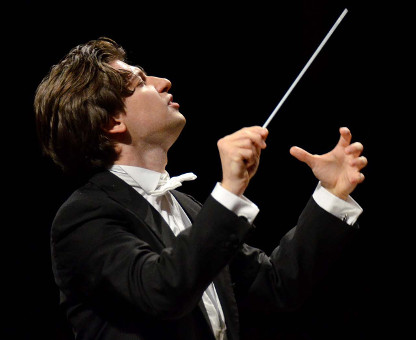
Review: CBSO, Daniele Rustioni, Vadim Gluzman

04 Wednesday Nov 2015

Posted by richardbratby in Uncategorized

≈ Leave a comment

Tags

Birmingham Post, Brahms, CBSO, Daniele Rustioni, Mussorgsky, Reviews, Sakari Oramo, Symphony Hall, Welsh National Opera

The Birmingham Post isn’t always able to post online everything that I’ve written for its print edition, so – after a suitable time lag (you should really go out and buy the paper!) – I’ll be posting my recent reviews here. As per the print edition, they’re all fairly concise – just 250 words. This is of a performance by the CBSO on 29th October 2015.


Daniele-Rustioni-by-Cophano-HP-AMC

Daniele Rustioni is nothing if not watchable. Small and dapper with a mop of floppy hair, he darts, he gesticulates, he bounces clear into the air. And in this CBSO concert he rocketed straight out of the blocks with a suave, streamlined account of Dvorak’s Carnival overture that left a midweek matinee crowd yelling with excitement.

It was easy to hear the strengths of this 32-year old Italian, whose spirited, idiomatic conducting was probably the best thing about WNO’s 2013 Donizetti Tudor trilogy. Rustioni can shape a phrase and make it sing (who mentioned bel canto?): he way he accompanied Kyle Horch’s creamy sax solo in Ravel’s orchestration of Mussorgsky’s Pictures at an Exhibition was almost sensuous. He takes a tactile pleasure in orchestral colours, bringing out the succulence of a pizzicato chord, and subtly pointing up a quiet bottom note from the bass clarinet.

His weaknesses – well, wasn’t it Richard Strauss who advised young conductors never to look at the brass: it only encourages them? And there was the strange, frustrating business of a Brahms Violin Concerto that never quite sounded at ease: fidgety, foursquare and punctuated by noisy blasts. Soloist Vadim Gluzman’s wiry tone and workmanlike delivery probably didn’t help, though it was noticeable that even in the Dvorak, Rustioni was cheerfully summoning up the kind of fortissimos that Sakari Oramo used to save for the end of Mahler symphonies.

But it was hard not to thrill to the jangling, tingling conclusion of Rustioni’s Pictures at an Exhibition, or to enjoy the full-fat low string sound of Samuel Goldenberg and Schmuyle, and the way Rustioni made Gnomus dance. To experience this kind of freshness and verve in such a familiar warhorse is reason enough to hope that we see Rustioni at Symphony Hall again.

Full Ahead

25 Friday Sep 2015

Posted by richardbratby in Uncategorized

≈ Leave a comment

Tags

Amati Magazine, Birmingham Post, Carl Nielsen, CBSO, Christopher Morley, Cristian Macelaru, Royal Academy of Music, Royal Danish Orchestra, Simon Trpceski, The Arts Desk

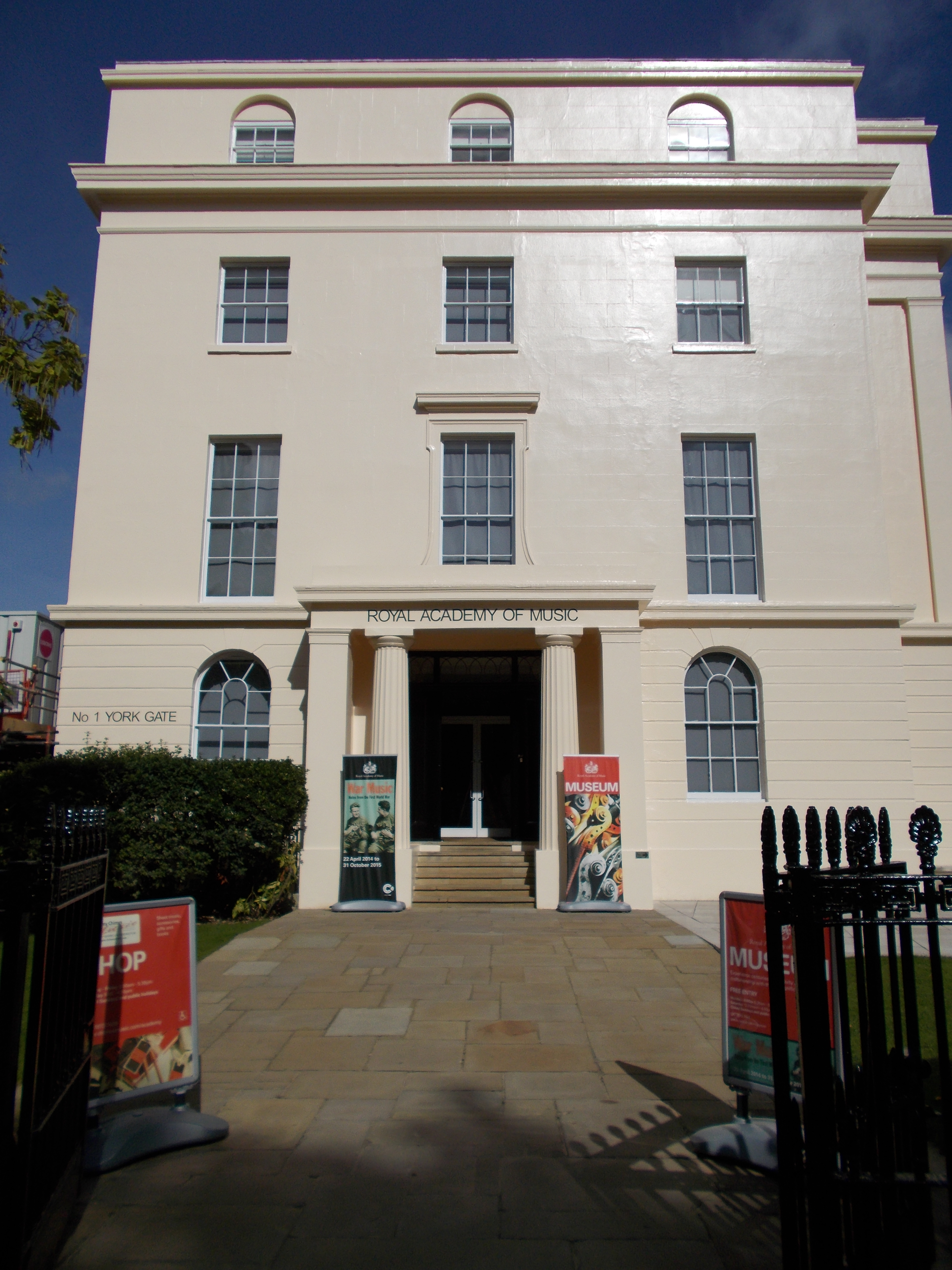
009
After 20 years in the business, you’d think I’d be used to it – but the new season has kicked in with a vengeance, and suddenly I haven’t a spare moment. That meant two separate reviews last week of the Birmingham concert by my charming hosts in Denmark back in June – Birmingham Post here and The Arts Desk here, and this week, yesterday’s season opener by my old colleagues at the CBSO.

Simon Trpceski was the soloist, and he was as glorious as we’ve come to expect.  But we’re well into the post-Nelsons interregnum in Birmingham now and the conductor – Cristian Macelaru – was new both to me and to Brum. I have to say, I liked him. OK, I wasn’t picking up “music director” vibes from the friends I spoke to in the orchestra, but I think everyone was still pretty impressed. Review here.

039

And on Wednesday, I made my first ever visit to the Royal Academy of Music in connection with an exciting new project I’m working on for The Amati Magazine. Watch this space for more details of that, but meanwhile, I had no idea that the Academy itself was such a shrine to musical history. It’s got a lovely little public museum (why did no-one ever tell me about this before?): Mendelssohn’s letters, Maxwell Davies and Michael Kamen manuscripts, Ligeti and Tavener autographs – plus the manuscript score of The Mikado.

002

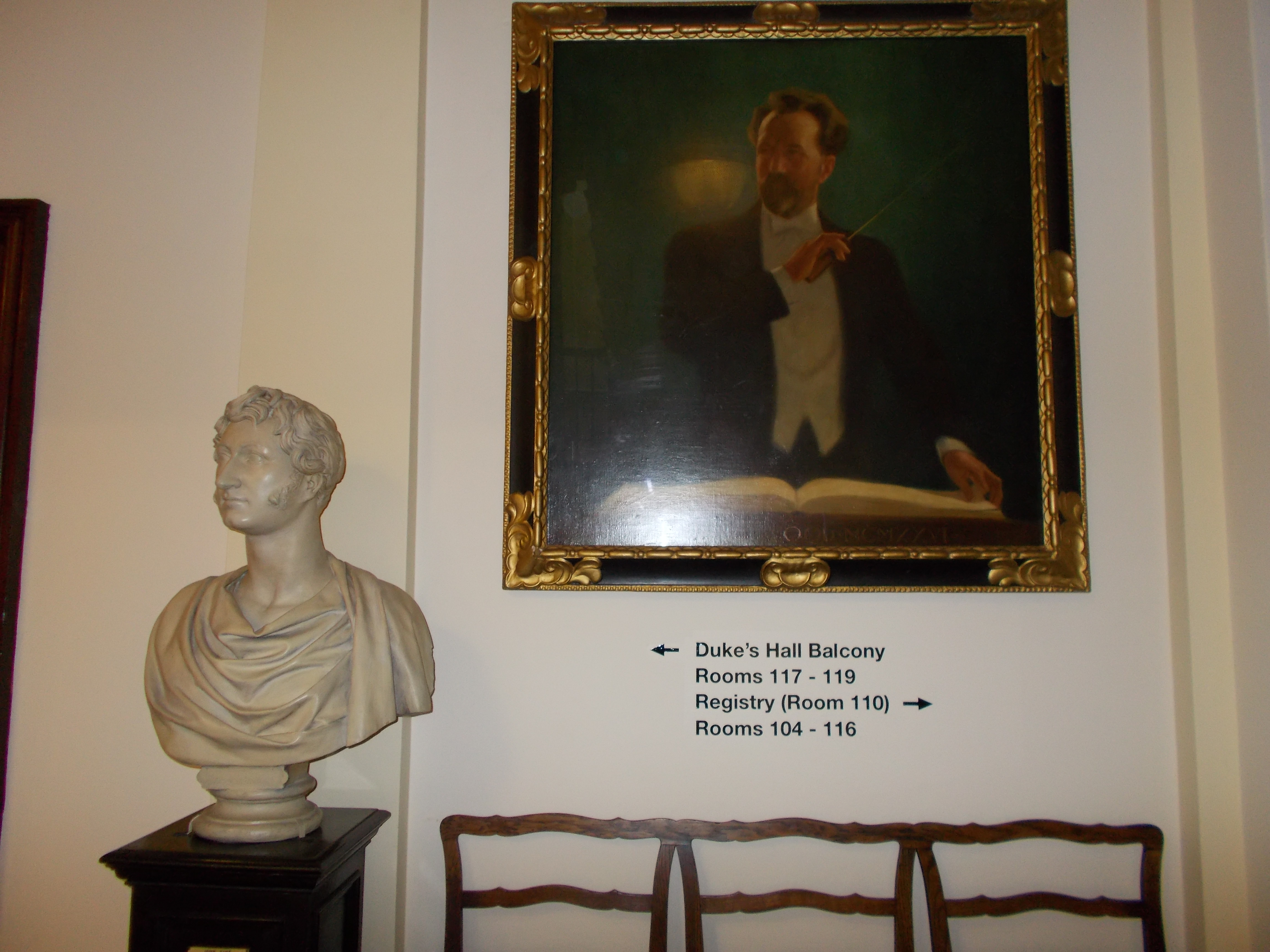
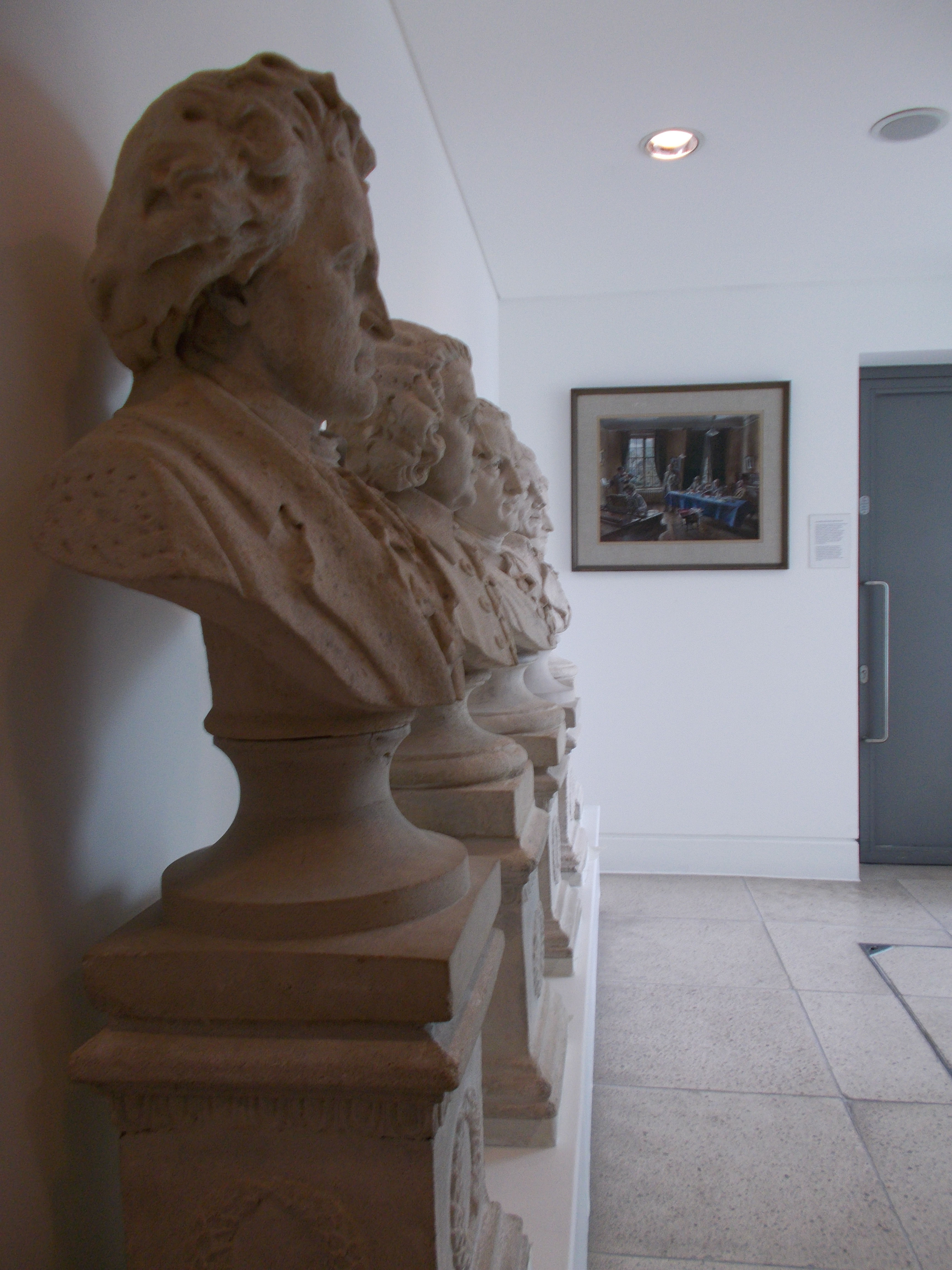
And the college building itself is a real treasure house of music-related paintings and sculpture. They’ve got the stone composers’ busts rescued from the rubble of Queen’s Hall when it was bombed. They’ve got paintings of the Griller Quartet and Harrison Birtwistle.

033

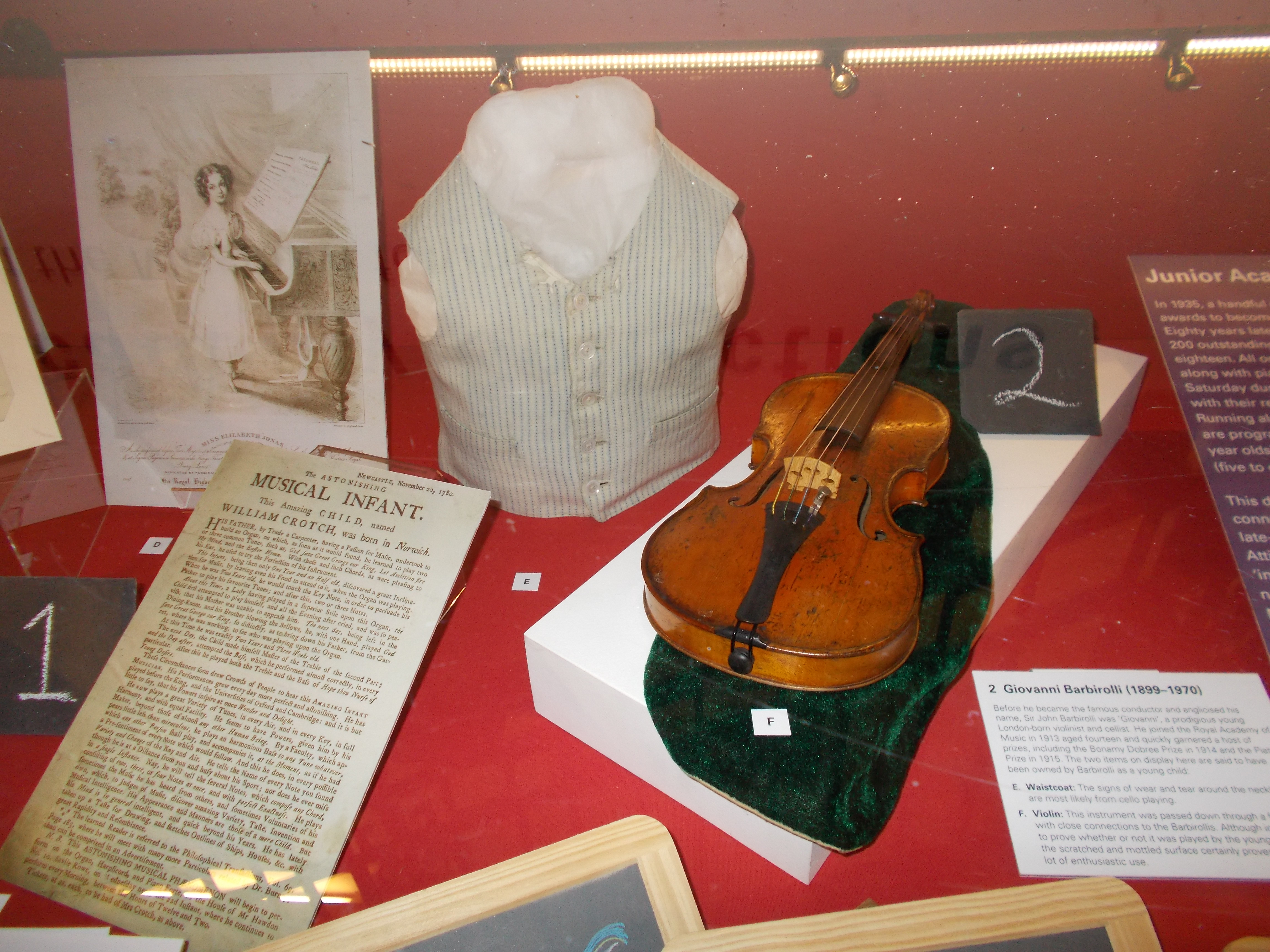
They’ve even got John (or “Giovanni” as he was then) Barbirolli’s baby-violin and waistcoat. And a whole room devoted to the saucy bedroom exploits of Harriet Cohen and Arnold Bax. OK, not quite. But apparently there’s a Chagall in there. I’m determined to get back in there some time soon, purely to have a proper look.

006

Meanwhile: my Birmingham Post boss, mentor and colleague Chris Morley – the Midlands’ pre-eminent music critic for well over 30 years – has taken the plunge and joined Twitter.  Follow him on @cfmorley47

CBSO and Andris Nelsons at the Proms

20 Monday Jul 2015

Posted by richardbratby in Uncategorized

≈ 1 Comment

Tags

Andris Nelsons, BBC Proms, CBSO

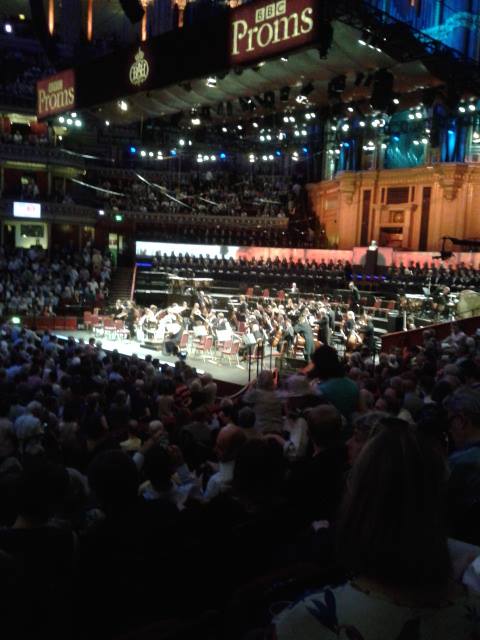
View from my seat, hastily taken on a shaky camera-phone!

View from my seat, hastily taken on a shaky camera-phone!

After a long weekend in Budapest, it was a bit of a slog to travel straight from Lichfield to London for the CBSO’s final appearance with Andris Nelsons as music director, at the BBC Proms. London-based colleagues tend to assume that everyone cheerfully dips in and out of the Proms all summer. What? – you missed the late night Prom on Wednesday? But you are going on Friday, surely? But it’s so affordable! I find it harder to choose which ones not to go to!

Of course, if you live anywhere beyond Zone 5, an evening concert at the RAH probably means an overnight hotel stay or a hot, breathless and frantic sprint to Euston the minute the applause starts, a ticket for one of the expensive trains (the cheap ones all finishing at about 8pm) and an exhausted 2am return home. I went for the latter option, and for once I’m glad I did, even with the Royal Albert Hall’s life-sapping acoustic. It was one of those occasions where personal emotion takes precedence over critical detachment – something you’ll only really understand if you’ve been in Birmingham for the last 8 years. I’m not a fan of Beethoven’s Ninth: last night, though, I heard it say something new, surprising and very moving.

There’s absolutely no sense that the CBSO / Nelsons relationship has run its natural course – I’ve never seen an orchestra and conductor have so lengthy a honeymoon, and last night’s performance made it sound as if the relationship is only now reaching its artistic peak. The loss of Nelsons is bitterly felt in Birmingham. It’s untimely, to say the least, which made last night a doubly poignant occasion. Here’s my Birmingham Post review.

Throwback Wednesday: Hugo von Hofmannsthal

15 Wednesday Jul 2015

Posted by richardbratby in Uncategorized

≈ Leave a comment

Tags

Andris Nelsons, CBSO, Der Rosenkavalier, Hofmannsthal, Richard Strauss, Vienna

Today is the anniversary of the death of Hugo von Hofmannsthal in 1929. As a writer of sorts myself, I’ve always had a special sympathy for the writer in the Strauss / Hofmannsthal partnership, and get fairly indignant when the composer is billed as sole creator of their joint operas (or – worse – when his name is mis-spelled: musicians are particularly bad at this).

Given the level of interest in fin-de-siècle Vienna I’m always surprised that there isn’t more interest in his writing in the English-speaking world – to say nothing of his role in the creation of the Salzburg Festival. Anyway, when I wrote a programme note for Andris Nelsons’ and the CBSO’s Rosenkavalier last year I did my best to make sure Hofmannsthal got his due. Here’s what I wrote.


Hofmannsthal

Curious music lovers who open the score of Der Rosenkavalier for the first time are sometimes surprised by what they see on the title page: Comedy for Music by Hugo von Hofmannsthal. Music by Richard Strauss.

The order of the wording is significant. Strauss may have written the score, but the characters and plot of Der Rosenkavalier were created by Hofmannsthal, and his vivid, wonderfully evocative words gave them life. Hofmannsthal (1874-1929) was arguably the greatest natural talent in fin de siècle Austrian literature, a poet and playwright of international repute whose influence on European culture can still be felt today. That’s why it’s wrong to talk about “Strauss’s Der Rosenkavalier” – or to describe Hofmannsthal as no more than a librettist.

Not that he shunned the description – in fact, he embraced it. He never viewed his six libretti for Strauss – Elektra (1909), Der Rosenkavalier (1911), Ariadne auf Naxos (1911-16), Die Frau ohne Schatten (1917), Die Aegyptische Helena (1928) and Arabella (1929) – as hack-work; indeed, as he told Strauss, their collaboration was “something great and at the same time necessary to my life”. Hofmannsthal had begun his literary career at the age of 17, when, under the pseudonym “Loris”, his astonishingly mature lyrical poetry amazed Viennese café society. “We had never heard verses of such perfection, such flawless fluidity, such intense musical feeling from a living person – indeed, had hardly thought it possible since Goethe” recalled the playwright Arthur Schnitzler.

Prodigies rarely enter adulthood unscathed, and Hofmannsthal’s crisis came at the turn of the century in a sudden loss of creative confidence. In his Lord Chandos Letter (1902) he described how words themselves “disintegrated in my mouth like rotten mushrooms”. Turning from poetry, he began to look for new ways in which to bridge the gap between language and emotion. He looked to theatre, to ritual, and to antiquity, producing new adaptations of Sophocles: Elektra (1904) and Ödipus und die Sphinx (1906). Then he looked to music.

And while he accepted that in opera music inevitably dominates words, he was emphatic that this was a partnership of artistic equals. “I know the worth of my work” he wrote to Strauss during a particularly fraught discussion about Ariadne auf Naxos. “I know that for many generations past, no poet of the rank with which I may credit myself amongst the living has committed himself willingly and devotedly to the task of working for a musician”. Hofmannsthal’s example would inspire writers of the calibre of Bertolt Brecht, Jean Cocteau and W H Auden to work with major composers.

World War One affected Hofmannsthal profoundly, and after the collapse of the Habsburg monarchy he devoted the last decade of his life to rescuing and renewing what he could of European culture. With the theatre director Max Reinhardt, he founded the Salzburg Festival in the hope that “we might do in a new way, in ancient, beautiful and meaningful places, what was always done there”. An open-air performance of his mystery-play Jedermann is still an annual Salzburg tradition. Hofmannsthal was working on Arabella when, in July 1929, his son Franz committed suicide. Devastated, he collapsed and died on the day of Franz’s funeral.

Thousands attended Hofmannsthal’s own funeral, though he never read Strauss’s final telegram complimenting him on the first act of Arabella. But he’d spoken frankly to Strauss about their partnership in 1924, on the composer’s 60th birthday, and the nature of their relationship was such that it wouldn’t have needed repeating: “You have rewarded me as richly as any artist can reward another. The rest, our works did for themselves, and I believe that they, not all, but nearly all of them, with their inseparable fusion of poetry and music, will continue to live and give pleasure”.


Seven days, seven reviews.

13 Monday Jul 2015

Posted by richardbratby in Uncategorized

≈ Leave a comment

Tags

Amati Magazine, Birmingham Post, CBSO, David Matthews, David Nice, Donizetti, Ex Cathedra, Gavin Plumley, Jessica Duchen, Lichfield Festival, Longborough Opera, Newark, Salzburg Festival, The Arts Desk

It’s been a busy week, but gratifyingly, a lot of my reviews seem to have gone up nice and promptly. Here’s everything I haven’t already posted up here:

026

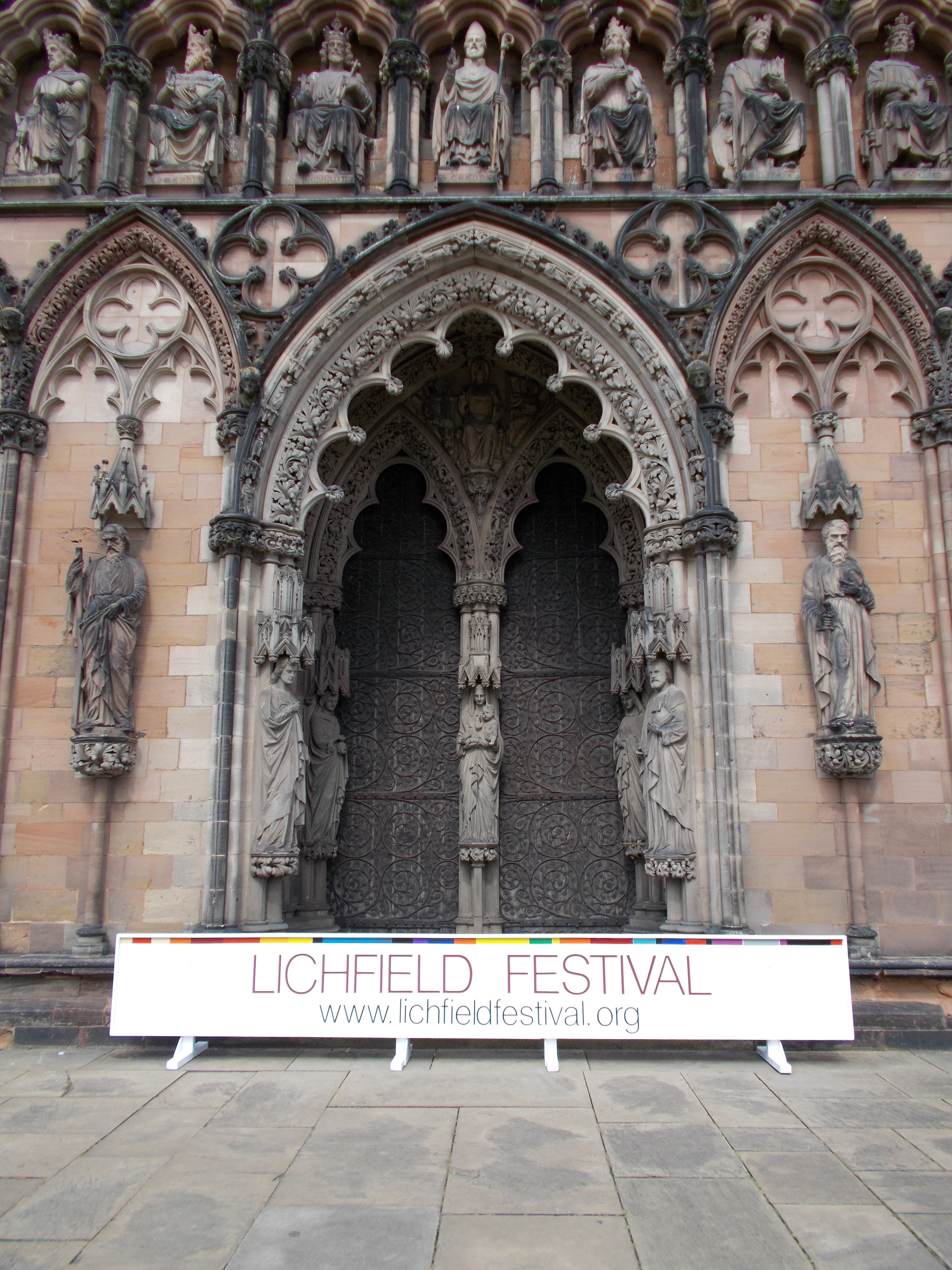
My debut feature for The Arts Desk: and what a pleasant surprise when my colleague (and recent travelling companion in Denmark) David Nice and his husband Jeremy arrived unexpectedly in Lichfield on Saturday for an impromptu visit in which (I’d like to think, anyway) this article may have had some hand…

The CBSO and Lahav Shani play Beethoven, Mendelssohn and David Matthews. Let’s just pray no-one’s seriously trying to line this chap up to follow in the footsteps of Andris Nelsons (at least not for a few years yet, anyway).

Ex Cathedra at Lichfield Festival – it takes something fairly special to get me this enthusiastic about a capella choral music.

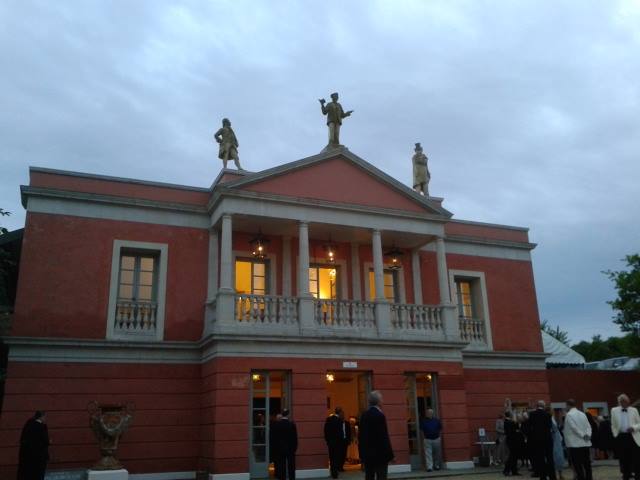
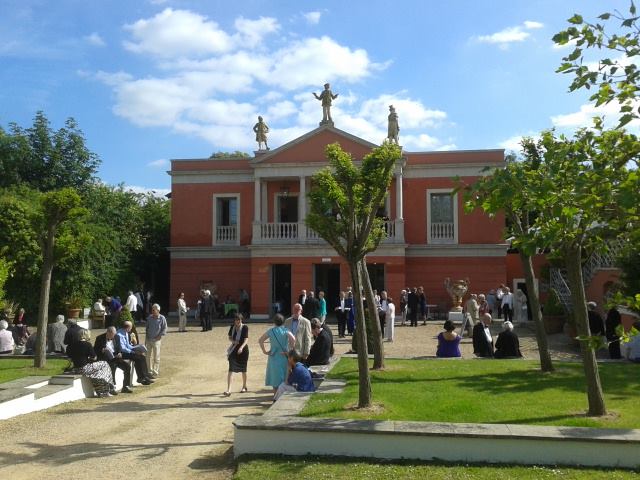
Longborough

Don Pasquale at Longborough – god, I love Longborough, where a picnic can cost £60 a head and still taste delicious.

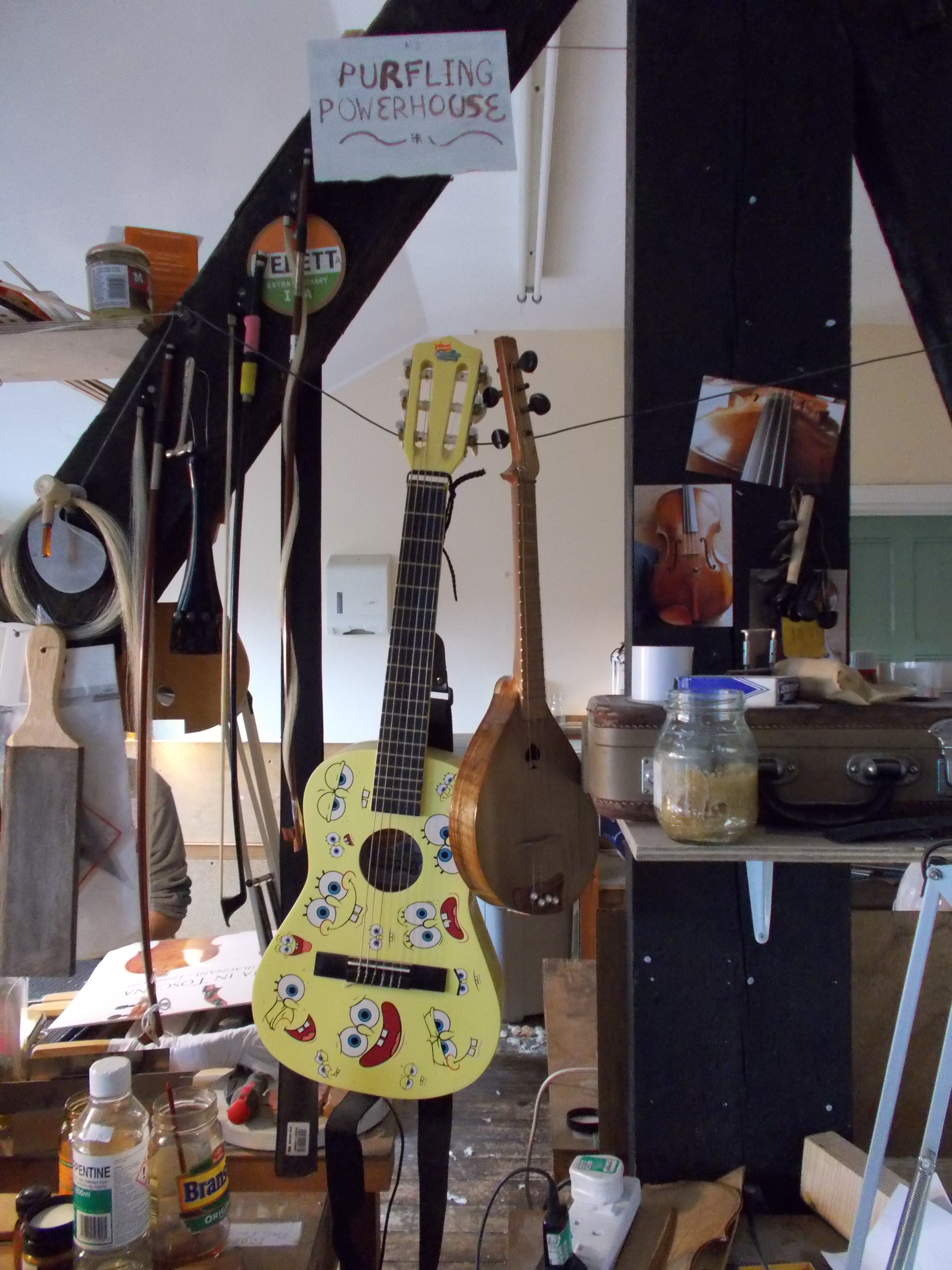
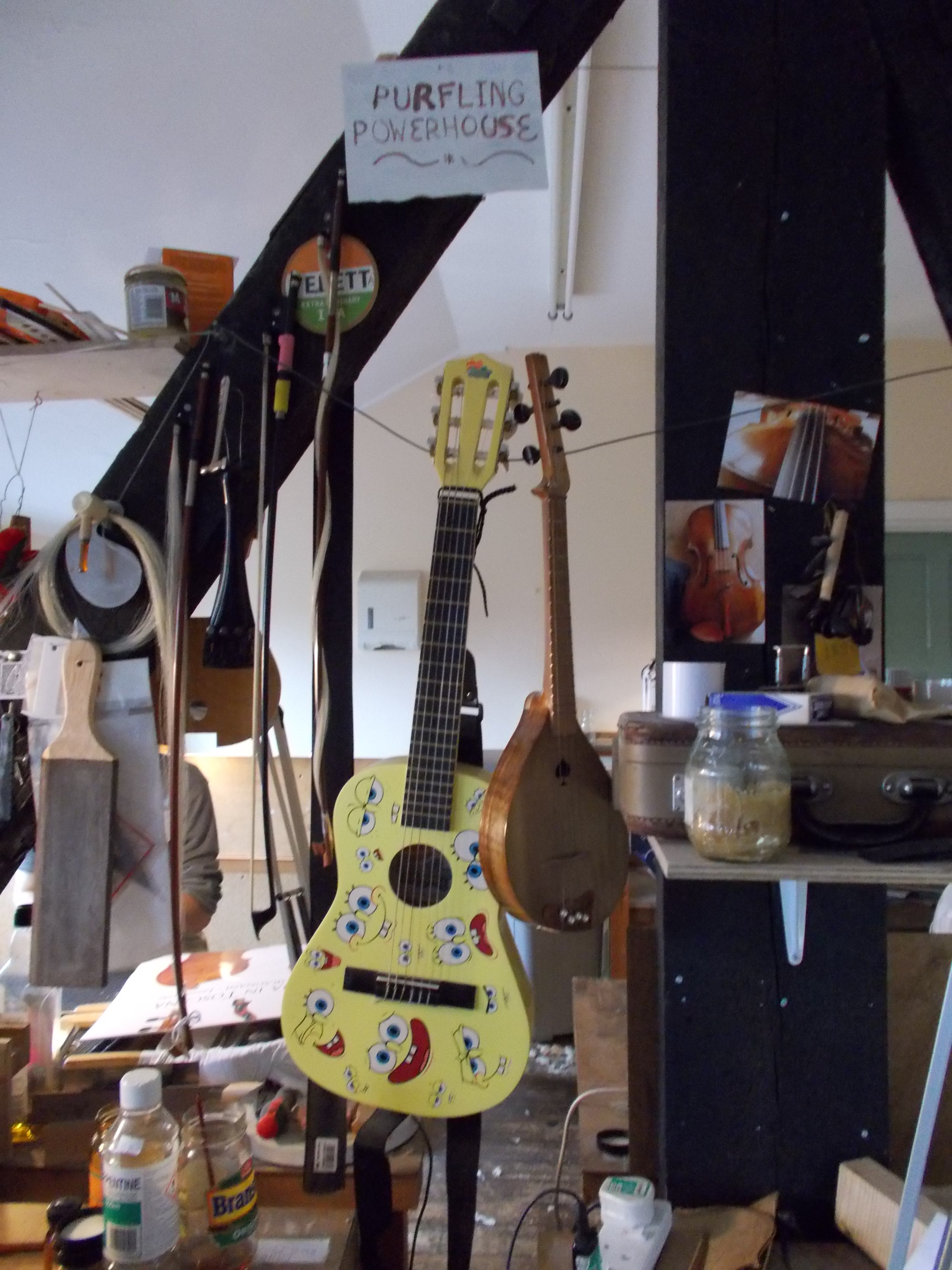
Purfling Powerhouse

And my visit to the wonderful Newark School of Violin Making is up on Amati Magazine: my thanks, again, to Jessica Duchen for entrusting me with such a fascinating assignment and Ben Schindler at the School for making me so welcome.

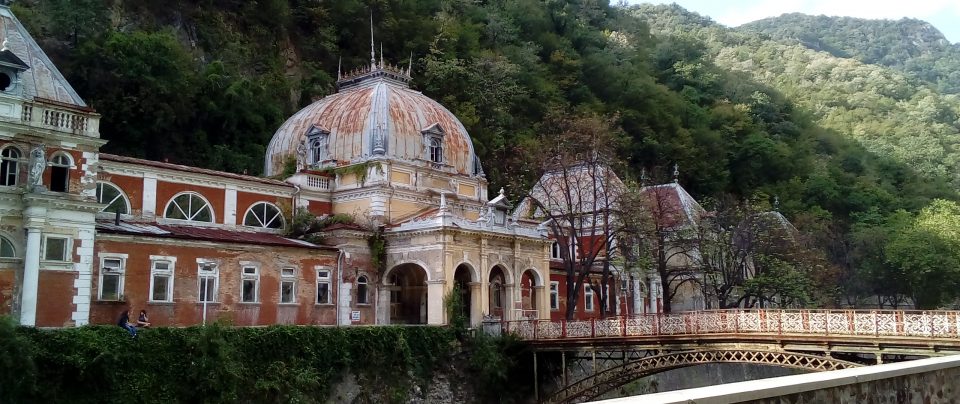
Now, one more Salzburg Festival programme note to polish off – Mozart’s Symphony No.1 K.16 (Salzburg’s commissioning editor, Gavin Plumley, has an uncanny knack for spotting the bits of repertoire that only I could fall in love with) – and then we’re off to stay at the Gellert Hotel, Budapest: four nights of operetta (Kalman’s Die Csardasfurstin), art nouveau spas, goose liver, Tokaj and general Habsburg-era fun.

And I don’t have to write a single word about it! (Though I probably shall…)

West and East

22 Monday Jun 2015

Posted by richardbratby in Uncategorized

≈ Leave a comment

Tags

Amati Magazine, Andris Nelsons, CBSO, Ella Fitzgerald, Longborough Opera, Newark Violin School, Simon Rattle, Tristan und Isolde

Cotswold Bayreuth

Cotswold Bayreuth

I’ve been covering some fairly substantial mileage, both physically and in terms of repertoire, over the last seven days. Here, slightly delayed, is my review of Longborough Festival Opera’s Tristan und Isolde: another superb show whose musical glory wasn’t quite matched by directorial vision.

Newark Violin School

Newark Violin School

Then on Friday I was off to the far side of Nottinghamshire to visit the remarkable Newark Violin School, where I was made to feel extremely welcome. It’s a wonderful institution: you feel as if you’ve wandered into a modern-day medieval guild. Part of me simply wished I could just throw everything in and enrol myself. Maybe I will some day! That was another assignment courtesy of Jessica Duchen (whom I was delighted to see at Longborough – an island of sanity amidst all the black ties, vintage cars and popping champagne corks of country house opera: still a very disconcerting experience for me) for The Amati Magazine. Watch this space for the full report, probably next week.

Newark Violin School

Newark Violin School

Meanwhile – I’ve been writing sleeve notes for Warner Classics’ forthcoming 50-CD box of Simon Rattle‘s recordings with the CBSO. It was bittersweet, to say the least, to be writing those in the week when my former colleagues were marking the departure of Andris Nelsons – and a timely reminder that it takes more than just great conducting to make a great music director. And then, programme notes for the CBSO’s forthcoming Ella Fitzgerald tribute night. Talk about a  labour of love…Ella’s Rodgers and Hart Songbook was one of those albums that entered my life at the exact moment when it could strike deepest; she’s one of the only non-classical artists whose name on a CD sleeve will make me buy it on sight. I still can’t listen to A Ship Without a Sail without feeling crushed inside. Anyway, it’s an absolutely gorgeous programme…maybe someone will ask me to review it..?

Victor Hely-Hutchinson’s Box of Delights

22 Monday Dec 2014

Posted by richardbratby in Uncategorized

≈ Leave a comment

Tags

Birmingham Town Hall, Carol Symphony, CBSO, Christmas, Leslie Heward, Victor Hely-Hutchinson, Wolverhampton

So here it is, Merry Christmas, and we have it on unimpeachable authority that everybody is having fun. Forgive me: I lived in Wolverhampton for eight years (well, it was good enough for Percy Young) and Noddy Holder is like a god there.

I’m not the world’s greatest fan of seasonal pop music. But I am, however, a fan of Victor Hely-Hutchinson’s A Carol Symphony – a work with a deep connection to the English Midlands, and not just through its association with successive dramatisations of The Box of Delights. Here’s a blogpost I wrote in 2009 about the music and its (largely forgotten) composer. When it was first published I was delighted to receive a charming and kindly email from the composer’s then-78 year old son Christopher, who was living in Ludlow. Hopefully he still is. Happy Christmas!


Hely-Hutchinson

Victor Hely-Hutchinson (1901-1947)

When I was 11, my younger sister and I were both captivated by the BBC’s TV adaptation of John Masefield’s The Box of Delights. She liked the fantastic story, and the Christmassy atmosphere; I liked the steam trains. But one thing that we both loved, and which seemed to capture the whole wintry magic of the thing, was the signature tune – which we could tell, even then, was “proper” music, not just a typical children’s TV theme (this being the early 1980s, the lack of synthesizers was the giveaway). Here’s that title sequence in full (warning, unseasonably noisy Youtube advert may play first!).

I asked my father if he knew what it was – not realising that a pre-war radio dramatisation of The Box of Delights, with the same music, had become a seasonal classic for an earlier generation. Or that my father – at much the same age – had asked exactly the same question. He pulled out a Classics for Pleasure LP with a snowy landscape on the cover. The piece on it was called Carol Symphony, and the composer was Victor Hely-Hutchinson.

Carol Symphony cover 1

Sleeve art the way it used to be.

The record-sleeve told us that he’d been born on Boxing Day 1901, and had been Regional Director of Music for the BBC in Birmingham. It wasn’t very easy to find out much more back then, but it is now, and for the full story, there’s an excellent online biography by his son John. In short, Christian Victor Hely-Hutchinson was born in Cape Town, studied music with Charles Villiers Stanford and Donald Tovey, and at the age of 12 played a Mozart piano concerto with the LSO. In 1933 he landed the Birmingham job, and rapidly involved himself with every part of the city’s musical life – not least the 13-year old City of Birmingham Orchestra and its then music director Leslie Heward.

Hely-Hutchinson never held an official post with the CBO – but he was a tireless supporter of the Orchestra throughout the 1930s and 40s. The CBSO’s performance record-cards from that period are dotted with the initials VHH – indicating that he’d written the programme notes for a particular work. He gave pre-concert lectures (he took a doctorate in 1941, though he’d held the Chair of Music at Birmingham University since 1934). He appeared as piano soloist with the orchestra, notably in Mozart concertos, and in 1944 he performed his own rhapsody The Young Idea (intriguingly subtitled “cum grano salis”) with George Weldon conducting. It’s recently been recorded by Dutton.

And he did it all with consummate professionalism. The CBO’s manager Gerald Forty (of the piano-makers Dale, Forty) remembered that:

His quiet confidence was most reassuring. I see him in my mind’s eye, sitting at my desk. He knocks out a half-smoked pipe, his inseparable companion: fills it, lights it, takes a few puffs – finds it won’t draw – scrapes it out, refills it, wastes more matches – and so on da capo. While my ashtrays were being filled, his mind was concentrated on the matter at hand, and with a remarkable economy of words, he stated his views and recommended a solution.

Leslie Heward

Leslie Heward

But it was during wartime that Hely-Hutchinson gave his greatest service to the CBO. In early 1940, while working as a volunteer Air Raid Precaution warden, he performed (from memory!) a complete cycle of Beethoven Piano Sonatas at the Birmingham and Midland Institute – in aid of Orchestra funds. Meanwhile, he corresponded regularly with Leslie Heward, then recovering in Romsley Sanatorium from the TB which was to kill him just three years later. When Heward died in May 1943, Hely-Hutchinson rallied to the support of the CBO. As Forty recalled:

birminghamtownhall

Birmingham Town Hall in wartime. Hely-Hutchinson took part in ARP fire drills on the roof.

The problem of finding another conductor at short notice and of maintaining a full complement of players with War staring us in the face, was one of extreme perplexity; but Victor solved it by the apparently simple expedient of doing the entire job himself – including the compiling of programmes, rehearsing the orchestra (which he did anonymously and gratuitously for many years), conducting the concerts and dealing efficiently and decisively with the innumerable emergencies…

Hely Hutchinson was initially unconvinced by Heward’s successor, George Weldon, but with typical fair-mindedness was happy to revise his opinion after Weldon had settled into the post a year or so later:

“I want to tell you how right I think you were about George Weldon – and by the same token, I was wrong – eighteen months ago” he wrote to a colleague in June 1944. “As a pure musician, I cannot think him the equal of Leslie, but then, practically nobody is, and some of George’s performances – notably of Mozart – made me feel that he has the root of the matter in him”.

The following year, Hely-Hutchinson was offered the post of Director of Music for the BBC in London, and swapped his home near Droitwich for one in St John’s Wood. But he remained a familiar face in Birmingham music, and there was genuine shock in the city in March 1947 when the news arrived that he had died of pneumonia, aged just 45. The CBO paid its own tribute three weeks later, when Weldon conducted the first performance of Hely-Hutchinson’s recently-completed Symphony for Small Orchestra. (The concert was broadcast, and an incomplete recording survives in the CBSO archive).

Somehow, in this short but full musical life, Hely-Hutchinson found time to compose around 150 original works. The best known (by a country mile) is the Carol Symphony, from 1927, but there’s also an irresistible setting of Old Mother Hubbard “in the style of Handel”, which amusingly skewers the absurdities of baroque vocal style; and two shorter works, the Overture to a Pantomime and The Young Idea. Both have recently been recorded. They all show superb craftsmanship, a masterly ear for orchestral colour and a warm, thoroughly engaging sense of musical humour. They’d all merit an outing in the concert hall.

But the Carol Symphony has never quite left the repertoire (the most recent Birmingham performance was in December 2000). Far more than a mere seasonal medley, it’s actually a lovely and very English folk-song sinfonietta in four movements, in the spirit of Moeran, Vaughan Williams and John Ireland.

It’s packed with good things: the bustling mock-baroque figuration of the first movement (a sort of chorale-prelude on O Come All Ye Faithful), the jazzy, Walton-esque verve of the scherzo (God Rest Ye Merry); splashes of Handel, Elgar, and polytonal Stravinsky; the way Here We Come A-Wassailing trips in on the woodwind as the fugal finale bounds towards its grand, horn-trilling finish. And above all, that slow movement, in which Hely-Hutchinson sets the Coventry Carol to bleak, frozen harmonies that anticipate Vaughan Williams’ Sixth – and then, with dancing harp, muted strings and finally full orchestra, lightens our darkness with the gentlest and most enchanting setting ever made of The First Nowell.

A Box of Delights, indeed. Whatever else we remember him for, in the Carol Symphony Victor Hely-Hutchinson gave us something very special, and enduringly beautiful. Hely-Hutchinson’s CBO colleague and friend Gerald Forty, once more:

The Carol Symphony has become a standard Christmas piece for the City Orchestra: may it long continue to figure in those programmes as a reminder of the well-loved man to whom the City of Birmingham Orchestra and the Birmingham musical public owes so much.


Any copyrighted material is included as “fair use” for critical analysis only, and will be removed at the request of copyright owner(s).
Newer posts →

Contact Details

38 Beacon Street
Lichfield
United Kingdom
Staffordshire
WS13 7AJ

07754 068427

Archives

  • June 2020 (1)
  • October 2019 (2)
  • January 2018 (1)
  • December 2017 (2)
  • November 2017 (2)
  • October 2017 (1)
  • August 2017 (2)
  • July 2017 (1)
  • June 2017 (3)
  • April 2017 (2)
  • March 2017 (2)
  • February 2017 (2)
  • December 2016 (1)
  • September 2016 (3)
  • August 2016 (1)
  • July 2016 (1)
  • June 2016 (2)
  • May 2016 (1)
  • April 2016 (3)
  • March 2016 (6)
  • February 2016 (1)
  • January 2016 (3)
  • December 2015 (6)
  • November 2015 (4)
  • October 2015 (6)
  • September 2015 (5)
  • August 2015 (5)
  • July 2015 (8)
  • June 2015 (12)
  • May 2015 (12)
  • April 2015 (1)
  • February 2015 (1)
  • January 2015 (2)
  • December 2014 (4)
  • November 2014 (3)

Archives

Create a free website or blog at WordPress.com.

Privacy & Cookies: This site uses cookies. By continuing to use this website, you agree to their use.
To find out more, including how to control cookies, see here: Cookie Policy
  • Subscribe Subscribed
    • Richard Bratby
    • Join 29 other subscribers
    • Already have a WordPress.com account? Log in now.
    • Richard Bratby
    • Subscribe Subscribed
    • Sign up
    • Log in
    • Report this content
    • View site in Reader
    • Manage subscriptions
    • Collapse this bar
 

Loading Comments...