• Blog
  • Clients
  • About Me

Richard Bratby

~ Classical music writer, critic and consultant

Richard Bratby

Tag Archives: The Arts Desk

And relax…

29 Wednesday Jul 2015

Posted by richardbratby in Uncategorized

≈ Leave a comment

Tags

Birmingham Post, Bliss, Elgar, Handel, Hereford, Longborough Opera, The Arts Desk, Three Choirs Festival
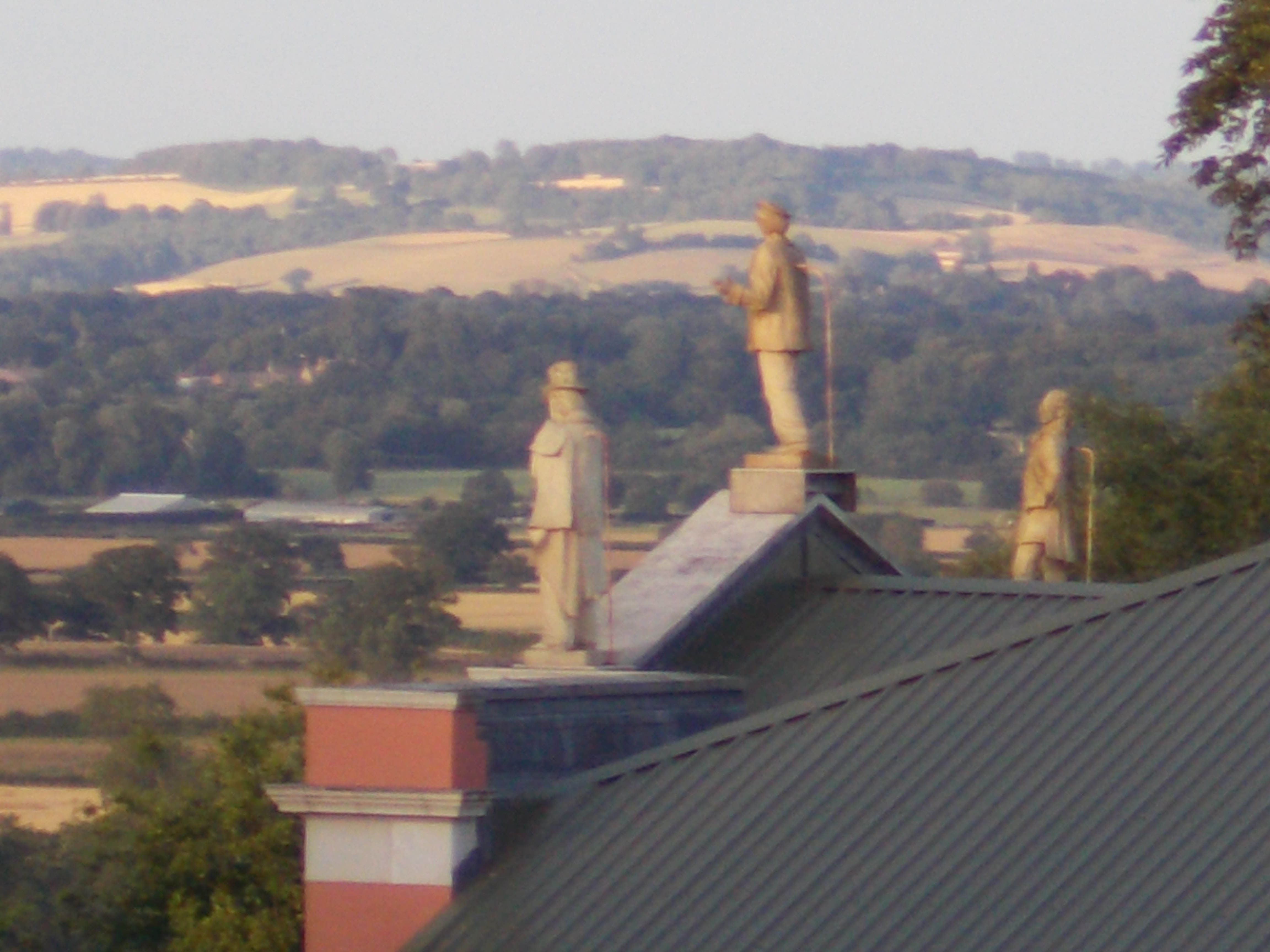
Wagner, Verdi and Mozart at Longborough.

Wagner, Verdi and Mozart at Longborough.

Well, not exactly; I’m working on a range of projects this month including programme notes for the Wigmore Hall, a feature on Mahler for the LPO, new orchestral biographies for the CBSO, and laying plans for an exciting new project for Amati Magazine (watch this space).

But things do generally get quieter on the concert scene in August, unless you’re in London or Edinburgh, and after a frantically busy 10 days, my last two long-range review missions will be my last for a couple of weeks, at any rate.
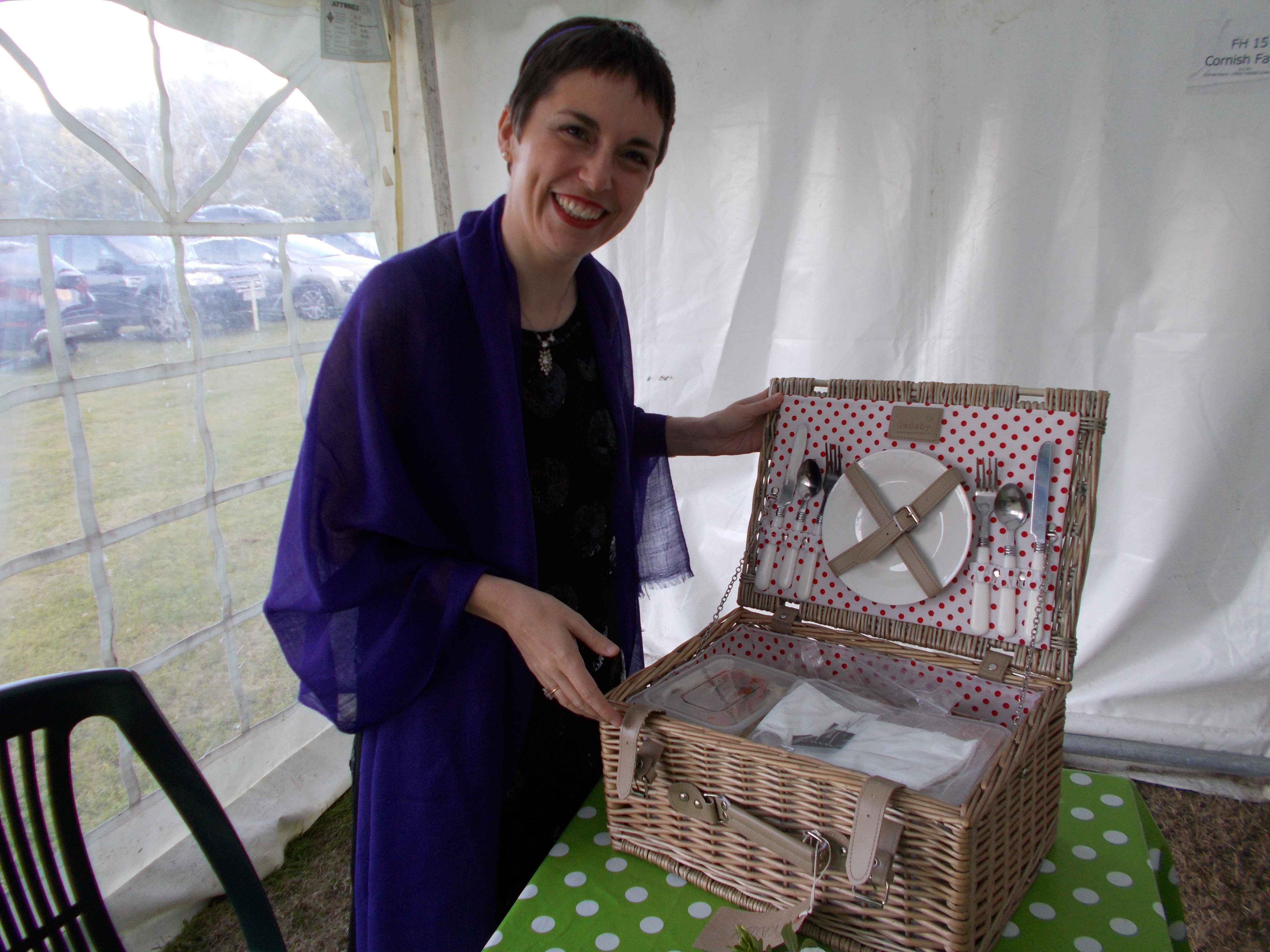
Longborough: dinner is served.

Longborough: dinner is served.

First was Longborough’s final show of the season: Handel’s Xerxes. It takes a lot to make me enjoy a Handel opera but this was…well, read my Birmingham Post review and see for yourself. Taken as a whole, I think it may even have been the most completely successful Longborough production (on all fronts) of the three I’ve seen this year. Longborough is like a little corner of operatic Eden: I’m going to miss that place (and not just for the people-watching and the picnics!)
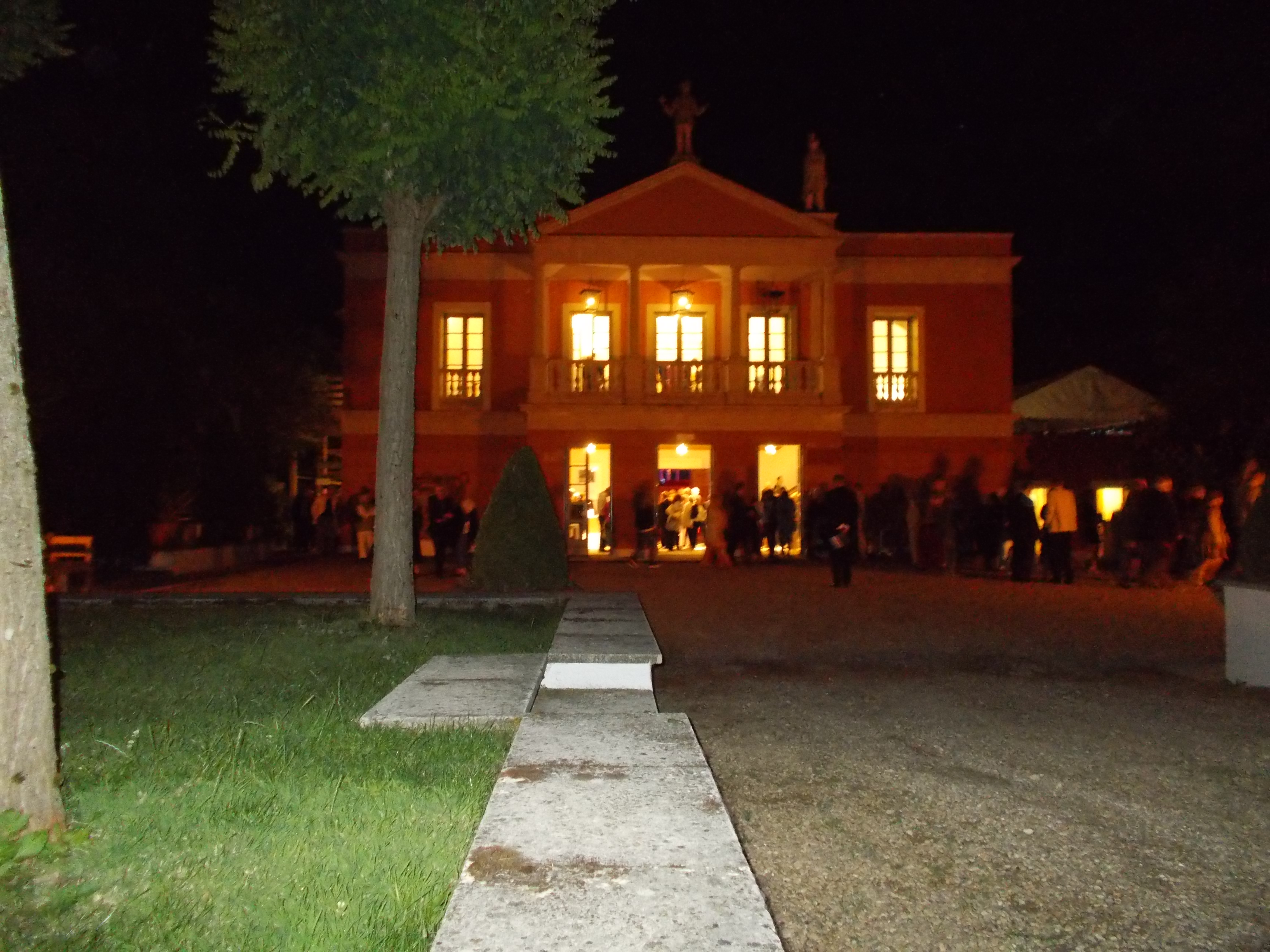
Longborough - last night of the season.

Longborough – last night of the season.

And then on Monday, to Hereford, for the 300th Three Choirs Festival and a performance of Arthur Bliss’s choral symphony / war requiem Morning Heroes. A rarity like this makes a 180 mile round trip worth while; especially when the work is itself so noble, and the performance so committed. My review for The Arts Desk is here.
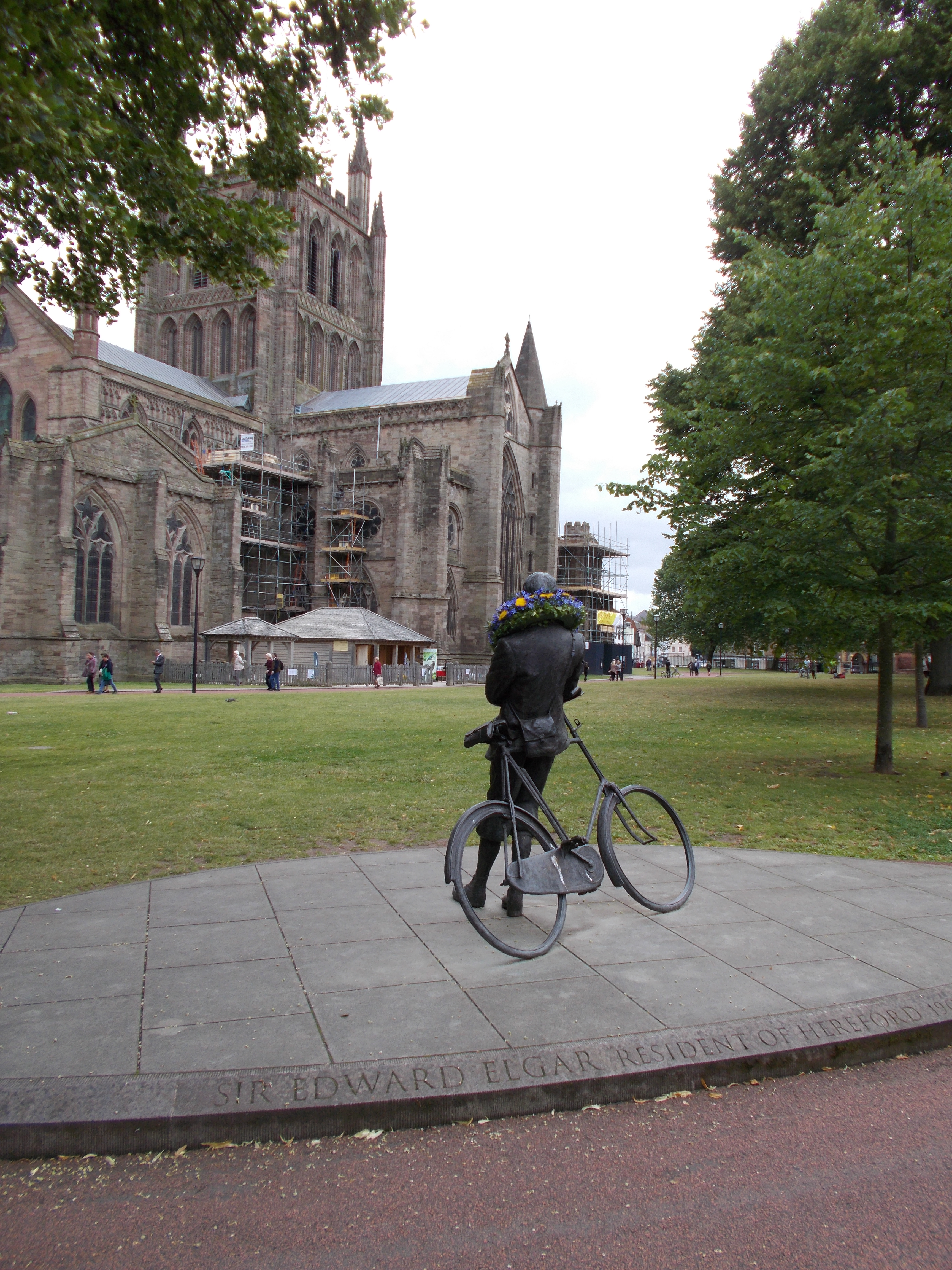
Elgar in Hereford.

Elgar in Hereford.

Out in the Cathedral close, Sir Edward Elgar had been suitably garlanded for the Festival week – he looked rather overwhelmed by the sudden attention, I thought.
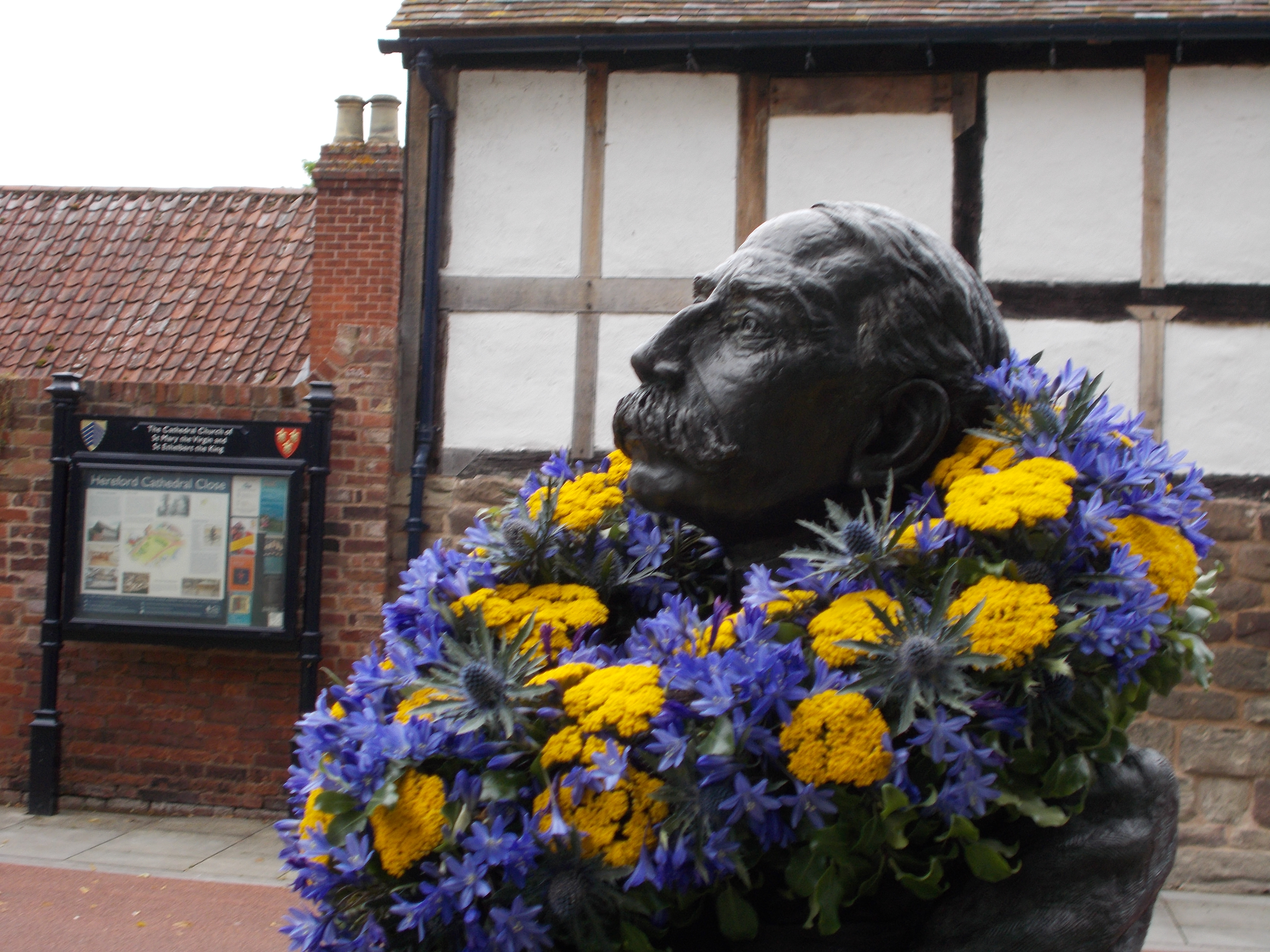
003

It was good to catch up briefly with colleagues Chris Morley  and Clare Stevens (the Festival’s phenomenal one-woman Press & PR team) at the Cathedral. But these long-range reviews can be lonely affairs, so I’d taken Bliss’s memoirs As I Remember along with me for the trip. And as well as giving me an extra level of insight into the strange, dignified but deeply emotional neglected masterpiece that is Morning Heroes itself, this meant that I had the company of Sir Arthur himself over lunch in Ludlow and my late-night pizza in Hereford before the drive north. Did you know he’d received fan-mail from Webern, was a friend of James Joyce, bashed through the sketches of the Symphony in 3 Movements with Stravinsky, and played tennis with Schoenberg? Well, now you do.
In love with “Louise”

24 Friday Jul 2015

Posted by richardbratby in Uncategorized

≈ Leave a comment

Tags

Buxton Festival, Buxton Opera House, Donizetti, Gustave Charpentier, Louise, Reviews, The Arts Desk, Verdi

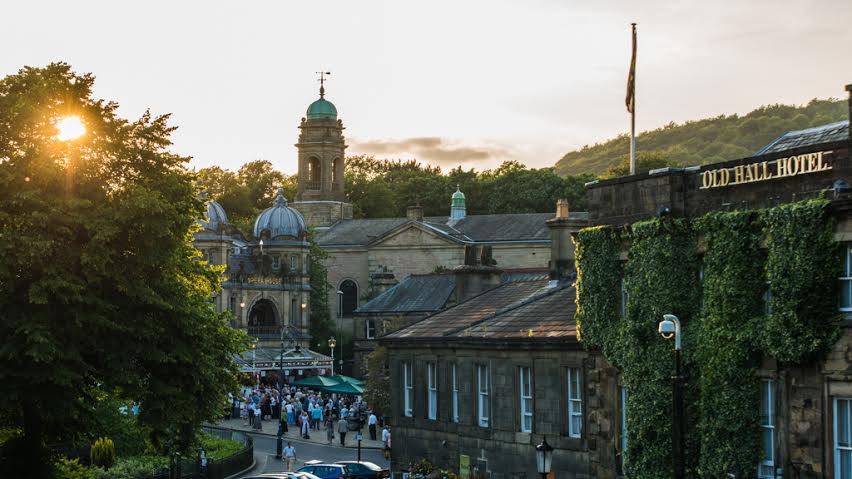
Buxton Opera House in Festival time

For three successive days this week, I’ve driven the lovely road from Lichfield across the Derbyshire border to Ashbourne and then along the roof of England through the High Peak, to Buxton, and its annual Festival. Its a trip I’ve long wanted to make (impossible before acquiring a car), and it was well rewarded – and not just because it’s a town full of antique and book shops,  faded Edwardian spa facilities and unpretentious Regency architecture. I was there to review three of the Festival’s opera productions: a better-than-expected Verdi Giovanna d’Arco, a disappointing Donizetti Lucia di Lammermoor and…and…Louise, lovely Louise.

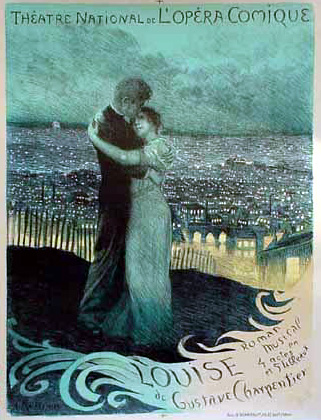
Louise: poster for the original 1900 production.

I’ve hankered after seeing this mouthwatering great slice of verismo a la Francaise since the day I read the description in (of all things) Gerhard von Westermann’s Opera Guide. Saki used it as a punchline in his own short story Louise – proof of just how popular it was in the years before the Great War. I had a feeling that Gustave Charpentier’s heroine and I would hit it off when I finally encountered her live (the last UK staging was in 1981, when, aged 8, I don’t think my 15p weekly pocket money would have run to a ticket) and here at last she was. OK, admittedly it was a concert performance (and how I wish they’d ditched the Donizetti – I mean, this’ll be my 4th different Donizetti production this year – and staged this instead), but as any music lover knows, the difference between listening to a CD and hearing anything live is that between splashing in a paddling-pool and swimming in the sea.

The result: I’m now obsessed. I’ve a brand new special-favourite opera. By ‘eck, it’s gorgeous. Any critic who says otherwise (and especially if they’ve recently bent over backwards to insist that some freshly-exhumed bel canto turkey is a neglected masterpiece) is just wrong. Entitled to their opinion, but wrong. So there.

Possibly my enthusiasm coloured my review of the Buxton Festival for The Arts Desk: you tell me.

Seven days, seven reviews.

13 Monday Jul 2015

Posted by richardbratby in Uncategorized

≈ Leave a comment

Tags

Amati Magazine, Birmingham Post, CBSO, David Matthews, David Nice, Donizetti, Ex Cathedra, Gavin Plumley, Jessica Duchen, Lichfield Festival, Longborough Opera, Newark, Salzburg Festival, The Arts Desk

It’s been a busy week, but gratifyingly, a lot of my reviews seem to have gone up nice and promptly. Here’s everything I haven’t already posted up here:

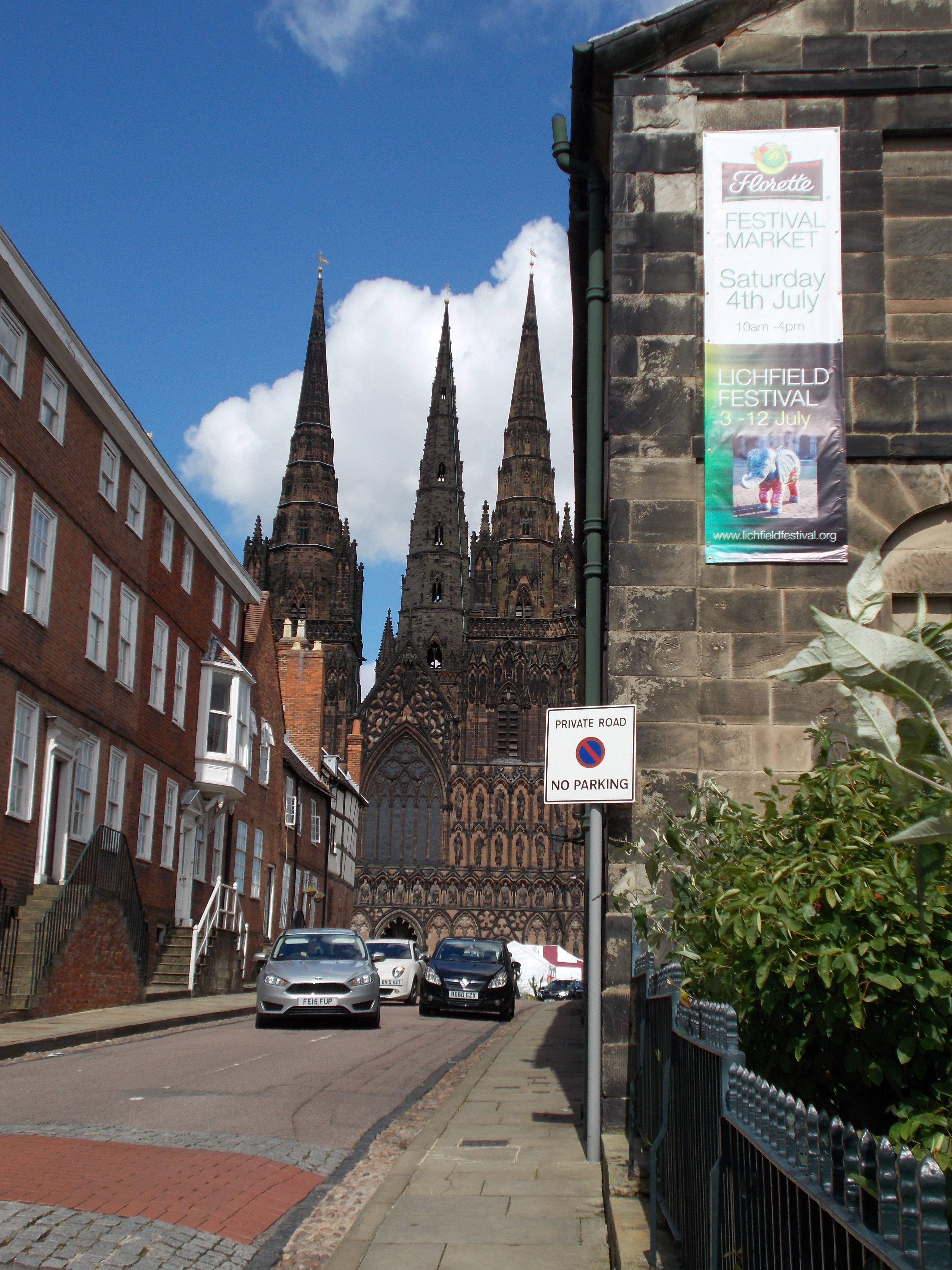
026

My debut feature for The Arts Desk: and what a pleasant surprise when my colleague (and recent travelling companion in Denmark) David Nice and his husband Jeremy arrived unexpectedly in Lichfield on Saturday for an impromptu visit in which (I’d like to think, anyway) this article may have had some hand…

The CBSO and Lahav Shani play Beethoven, Mendelssohn and David Matthews. Let’s just pray no-one’s seriously trying to line this chap up to follow in the footsteps of Andris Nelsons (at least not for a few years yet, anyway).

Ex Cathedra at Lichfield Festival – it takes something fairly special to get me this enthusiastic about a capella choral music.

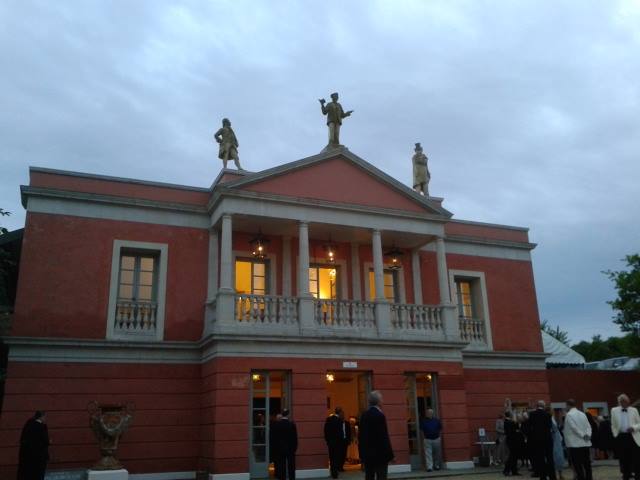
Longborough

Don Pasquale at Longborough – god, I love Longborough, where a picnic can cost £60 a head and still taste delicious.

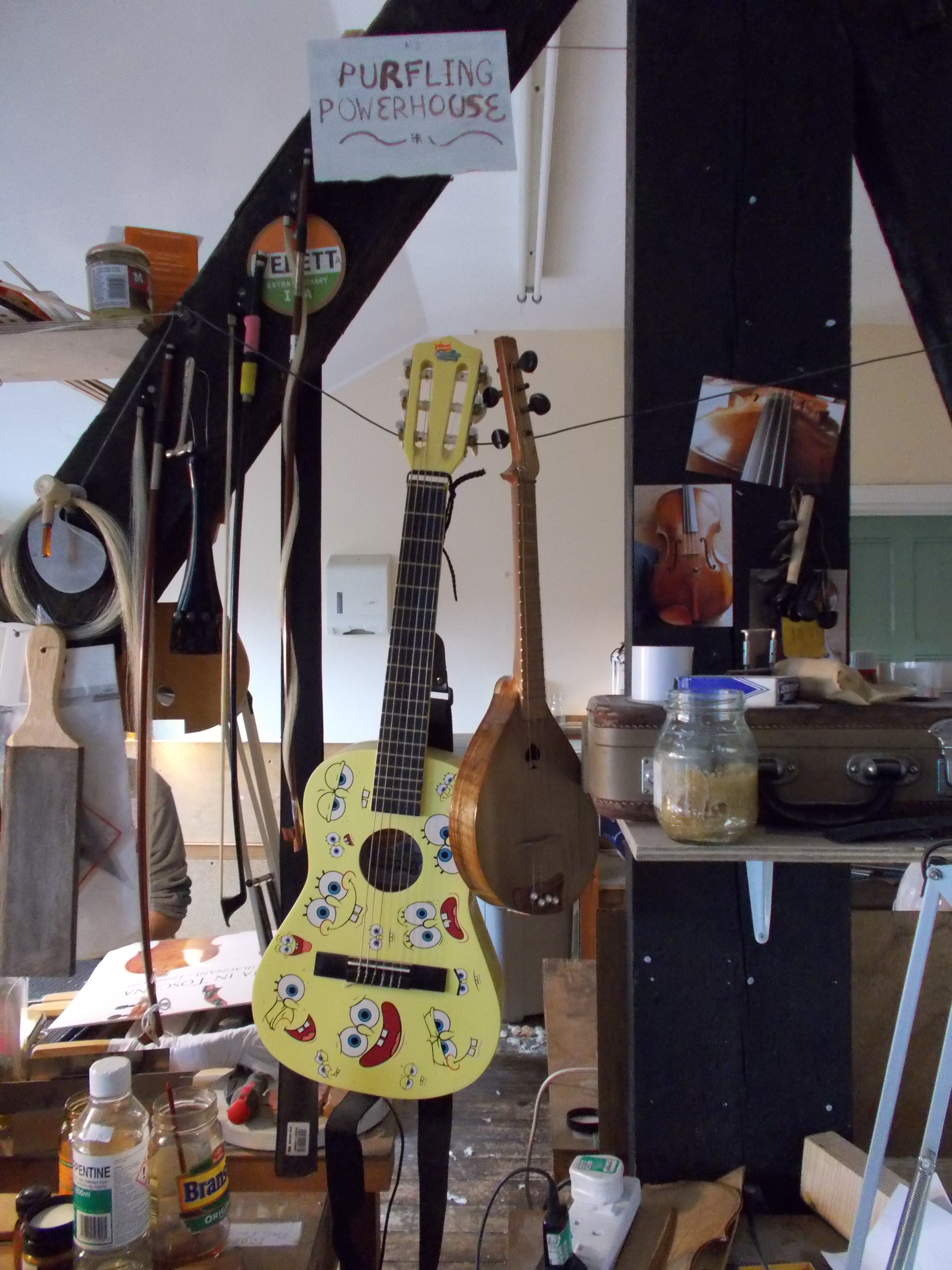
Purfling Powerhouse

And my visit to the wonderful Newark School of Violin Making is up on Amati Magazine: my thanks, again, to Jessica Duchen for entrusting me with such a fascinating assignment and Ben Schindler at the School for making me so welcome.

Now, one more Salzburg Festival programme note to polish off – Mozart’s Symphony No.1 K.16 (Salzburg’s commissioning editor, Gavin Plumley, has an uncanny knack for spotting the bits of repertoire that only I could fall in love with) – and then we’re off to stay at the Gellert Hotel, Budapest: four nights of operetta (Kalman’s Die Csardasfurstin), art nouveau spas, goose liver, Tokaj and general Habsburg-era fun.

And I don’t have to write a single word about it! (Though I probably shall…)

Review: Lichfield Festival – The Juliet Letters

09 Thursday Jul 2015

Posted by richardbratby in Uncategorized

≈ Leave a comment

Tags

Birmingham Post, Elvis Costello, Jon Boden, Lichfield Festival, Reviews, Sacconi Quartet, The Arts Desk

017

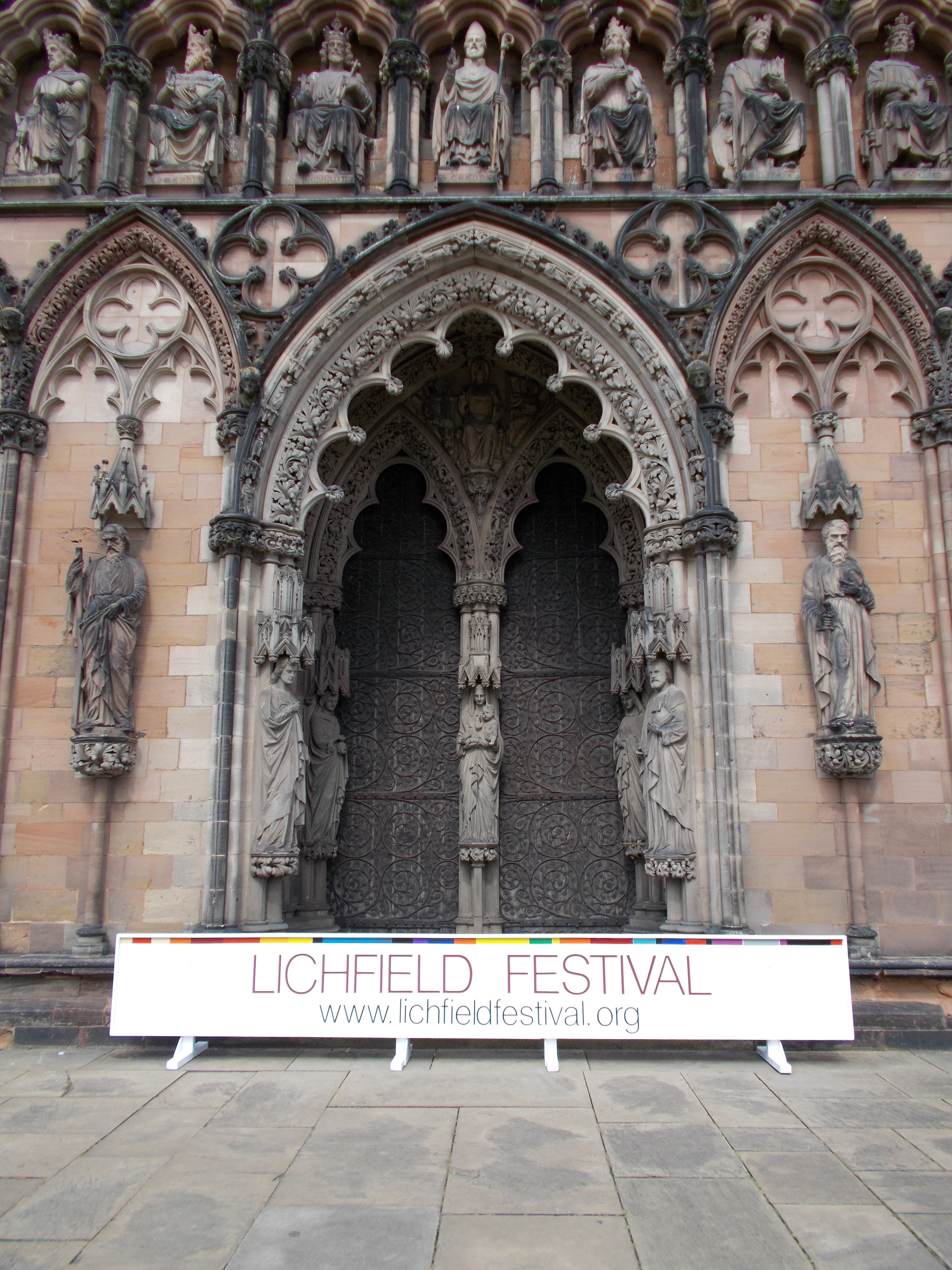
The Lichfield Festival is in full swing – and living just five minutes from the Cathedral, it’s hard not to feel you’re in the middle of something special even when you’re just walking to the shops! I’ll be producing a full round-up for The Arts Desk tomorrow, but meanwhile, since The Birmingham Post is experiencing difficulties posting my reviews of individual concerts to its website, I’ll be posting them here while the Festival is still under way. Even critics like to feel as if they’re part of something, after all…

(NB: No star ratings here –  editors and PRs love ’em but critics hate them, and I’m no exception. If you really do need to attach a score to an artistic performance like it’s a spelling test or something, they can be seen in the print edition of The Birmingham Post, available now).


Is it really 22 years since The Juliet Letters? In 1993, we mistook it for crossover: there was a lot of it about back then. Elvis Costello’s song cycle with the Brodsky Quartet seemed to follow in the tradition of George Martin’s quartet arrangements for the Beatles, or Sinatra’s recordings with the Hollywood Quartet. But crucially, The Juliet Letters comprised entirely original music: the joint product of Costello’s art as a songwriter and the creative instincts of the individual Brodskys. The result?

Well, as we discovered in this late night Lichfield Festival concert with Jon Boden and the Sacconi Quartet the result was something that, two decades on, requires neither Costello nor the Brodskys in order to make a powerful impact. Inevitably, there were glitches: microphones never sit easily with chamber groups. Costello aficionados hoping to hear a slick reproduction of the studio album will have been disappointed.

For the rest of us, though, the rough edges made this music speak more directly – more passionately – than ever. Not that Boden’s light, softly-shaded tenor wasn’t ideally suited to the Sondheim-esque wit of numbers like Romeo’s Seance and This Offer is Unrepeatable.

But Boden and the Sacconis played off each other, seeming to find a shared intensity in the searching, Berg-like Dear Sweet Filthy World, making tone-colour match curdling harmonies, and transforming I Thought I’d Write To Juliet into a miniature music-drama. Boden’s expression as Robin Ashwell’s viola solo in Last Post sobbed out into the vast space of the darkened cathedral said it all: this was chamber music of a high order.

Review: Lichfield Festival – The Magic Flute

09 Thursday Jul 2015

Posted by richardbratby in Uncategorized

≈ Leave a comment

Tags

Birmingham Post, Lichfield Cathedral, Lichfield Festival, Reviews, The Arts Desk, The Magic Flute

009

The Lichfield Festival is in full swing – and living just five minutes from the Cathedral, it’s hard not to feel you’re in the middle of something special even when you’re merely walking to the shops! I’ll be producing a full round-up for The Arts Desk tomorrow, but meanwhile, since The Birmingham Post is experiencing difficulties posting my reviews of individual concerts to its website, I’ll be posting them here while the Festival is still under way. Even critics like to feel as if they’re part of something, after all…

(NB: No star ratings here –  editors and PRs love ’em but critics hate them, and I’m no exception. If you really do need to attach a score to an artistic performance like it’s a spelling test or something, they can be seen in the print edition of The Birmingham Post, available now).


There’ve been times since 2010 when we’ve despaired of the Lichfield Festival. Now there’s a new artistic director, Sonia Stevenson and, on the basis of this opening concert performance of The Magic Flute, every reason to hope that things are back on course.

The sheer ambition was inspiring, even if the end result had a distinctly improvised, “let’s do the show right here” sort of feeling. There was no orchestra (Anthony Kraus and Ian Ryan played a re-working of Zemlinsky’s piano reduction), no chorus, and the sole gesture towards costume was Papageno’s pair of denim shorts.

But the singing was truly impressive – Kate Valentine as the First Lady was real luxury casting. Anna Dennis stole the show: her nuanced voice and understated intensity made Pamina a tragic figure, never more poignant than in her quartet with the Three Boys, sung with wonderful freshness and ensemble by ex-Cathedral choristers Jemima Richardson-Jones, Amber Jordan and Alice Windsor.

Alexander Sprague (Tamino) made up in tone for what he might have lacked in ardour. Richard Wiegold (Sarastro) had a voice of black velvet and Samantha Hay was a Queen of the Night of laser-like ferocity and focus. Adrian Thompson played Monostatos as a sleazy bank-manager, while as a long-suffering Papageno, you sensed that Jonathan Gunthorpe was fighting the urge to give a bigger, funnier performance than this staging allowed.

That was the single biggest problem: the spoken dialogue had been entirely cut and replaced with a hit-and-miss narration by Janice Galloway, spoken by Guy Henry. The Flute is not a long opera, and without the dialogue that Mozart expected, his characters are only half-complete. So it’s a tribute to the musical quality of this performance that we left with smiles on our faces – and a sense that the Festival’s heart is finally back in the right place.


Newer posts →

Contact Details

38 Beacon Street
Lichfield
United Kingdom
Staffordshire
WS13 7AJ

07754 068427

Archives

  • June 2020 (1)
  • October 2019 (2)
  • January 2018 (1)
  • December 2017 (2)
  • November 2017 (2)
  • October 2017 (1)
  • August 2017 (2)
  • July 2017 (1)
  • June 2017 (3)
  • April 2017 (2)
  • March 2017 (2)
  • February 2017 (2)
  • December 2016 (1)
  • September 2016 (3)
  • August 2016 (1)
  • July 2016 (1)
  • June 2016 (2)
  • May 2016 (1)
  • April 2016 (3)
  • March 2016 (6)
  • February 2016 (1)
  • January 2016 (3)
  • December 2015 (6)
  • November 2015 (4)
  • October 2015 (6)
  • September 2015 (5)
  • August 2015 (5)
  • July 2015 (8)
  • June 2015 (12)
  • May 2015 (12)
  • April 2015 (1)
  • February 2015 (1)
  • January 2015 (2)
  • December 2014 (4)
  • November 2014 (3)

Archives

Create a free website or blog at WordPress.com.

Privacy & Cookies: This site uses cookies. By continuing to use this website, you agree to their use.
To find out more, including how to control cookies, see here: Cookie Policy
  • Subscribe Subscribed
    • Richard Bratby
    • Join 29 other subscribers
    • Already have a WordPress.com account? Log in now.
    • Richard Bratby
    • Subscribe Subscribed
    • Sign up
    • Log in
    • Report this content
    • View site in Reader
    • Manage subscriptions
    • Collapse this bar
 

Loading Comments...