• Blog
  • Clients
  • About Me

Richard Bratby

~ Classical music writer, critic and consultant

Richard Bratby

Tag Archives: Birmingham Conservatoire

Review: Louis Lortie at Birmingham Conservatoire

17 Friday Mar 2017

Posted by richardbratby in Uncategorized

≈ Leave a comment

Tags

Birmingham Conservatoire, Birmingham Post, Chopin, Reviews

The Birmingham Post isn’t always able to post online everything that I’ve written for its print edition, so – after a suitable time lag (ideally you should go out and buy the paper) – I’ll be posting my recent reviews here. As per the print edition, they’re all fairly concise – just 250 words. This is of a performance at Birmingham Conservatoire on Tuesday 17 March 2017.
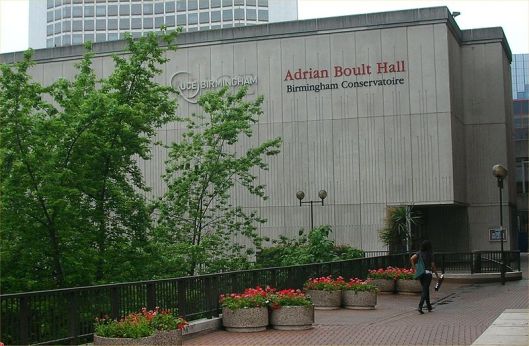


ABH

Not in here. It’s just a huge hole in the ground now.

These are the end times for the old Birmingham Conservatoire building. The demolition crews circle, and all eyes are already turned to the promised land of Eastside. But artistically, the Conservatoire is already well more than halfway there. For proof, look at the sheer calibre of the artists giving this spring’s concerts in the doomed Recital Hall: Jennifer Pike, the Heath Quartet, and on this occasion the eminent French-Canadian pianist Louis Lortie, playing music by George Benjamin and Chopin.

This is not a time for sentimentality, and Lortie’s Chopin was defiantly unsentimental. No romantic languour here; the emphasis was on tone-colour and rhythmic clarity. Lortie instantly and unfussily found the character of each of Chopin’s 24 Preludes Op.28: letting the melodic line of the swifter pieces glint like a darting fish in a crystal stream, making bass notes snarl and thunder, and in the gentler Preludes, allowing the melody to find its own level: falling easily over its accompaniment without any undue prodding or tugging.

Lortie can generate a blindingly intense tone on a single note, and after an emphatic finish to Prelude No.12, he seemed to expand into the second dozen. These were freer, more fantastic, and often fierce, and the cycle peaked with a Prelude No.15 that moved from limpid tenderness to a central climax of blazing severity. The softness and transparency of No.23’s spring shower felt all the sweeter for it.

George Benjamin’s Shadowlines – frigid, angular studies in grey – didn’t hold up well next to Chopin. But Lortie approached them with the same focus, offsetting the harshness of the musical foreground with misty echoes in the left hand. A musical reminder that there is, after all, a world elsewhere.

Review: Christophe Pregardien & Christophe Schnackertz

06 Tuesday Dec 2016

Posted by richardbratby in Uncategorized

≈ Leave a comment

Tags

Birmingham Conservatoire, Birmingham Post, Reviews

ABH

This venue no longer exists.

The Birmingham Post isn’t always able to post online everything that I’ve written for its print edition, so – after a suitable time lag (you should really go out and buy the paper!) – I’ll be posting my recent reviews here. As per the print edition, they’re all fairly concise – just 250 words. This is of a performance at Birmingham Conservatoire on Tuesday 18 October.


Sweet are the uses of adversity. It’s not that there was anything wrong with Christoph Prégardien and Christoph Schnackertz’s recital at the Conservatoire before, five songs into Britten’s Winter Words, all the lights failed.

It’s just that (after some smart work from the Conservatoire’s concert management), Prégardien and Schnackertz handled the situation with such grace and good humour that everything suddenly felt a little different – as if a bond had been established between audience and performers. The pair gamely performed the rest of their programme by daylight alone, at the mercy of passing clouds and to the accompaniment of metallic creaks from the slowly cooling spotlights. At the end, the audience erupted in cheers.

As well they might. Prégardien’s tenor is a lovely thing; flexible, fluid, with no break in tone quality between registers – it’s elegantly focussed in all areas. At the top, it’s ringing without being strident. At the bottom, where it shades towards a baritone, it’s marvellously oaky. I was reminded of a clarinet, but that’s to overlook Prégardien’s alertness to the text. He characterises lightly, with tone-colours – a quiet, confiding glow at the end of Schubert’s Um Mitternacht, a mix of fragility and robustness in Britten’s At The Railway Station, Upway.

But that’s all rolled into a long, sweet, singing line, deftly moulded to Schnackertz’s crisp, vivid accompaniments, complete with splashes of impressionist colour in Britten’s Midnight on the Great Western and a heroic swagger in Schubert’s Lebensmut. Each song came across as a single, natural whole, and under any circumstances this would have been a deeply rewarding recital. Shame and shame again, though, on whoever let their mobile phone ring mid-concert. No excuse: end of.

Review: BCMG at the Adrian Boult Hall

31 Tuesday May 2016

Posted by richardbratby in Uncategorized

≈ Leave a comment

Tags

BCMG, Birmingham Conservatoire, Birmingham Post, Howard Skempton, Morton Feldman, Reviews

The Birmingham Post isn’t always able to post online everything that I’ve written for its print edition, so – after a suitable time lag (you should really go out and buy the paper!) – I’ll be posting my recent reviews here. As per the print edition, they’re all fairly concise – just 250 words. This is of a performance at the Adrian Boult Hall on Friday 20 May.


ABH

The ABH: the end of a very short book that no-one enjoyed reading.

I come to bury the Adrian Boult Hall, not to praise it. At the not-exactly-ripe age of 30, it’s scheduled to be the next victim of the orgy of demolition currently wrecking the city centre for another generation. And so BCMG returned to the venue of its very first concerts for the very last time, teaming up with the chamber choir Via Nova for a rather subdued wake – though one that wasn’t without a few quiet smiles.

Those came courtesy of Howard Skempton – a sympathetic presence in tonight’s audience, as he is at so many BCMG concerts. Ulrich Heinen performed Skempton’s Six Figures for unaccompanied cello from memory, and Malcolm Wilson brought a wonderfully deadpan sense of timing to three piano miniatures from Skempton’s Nocturnes and Reflections.

They didn’t need anything more: Skempton’s music thrives on understatement, and the unexpected ending of his a capella suite The Flight of Song, performed by Via Nova, drew a ripple of appreciative amusement from the small audience. Charlotte Bray’s dark, volatile Perseus (performed by Wilson and Heinen) and Betsy Jolas’s chant-like Music to Go (Heinen joined by viola player Chris Yates) completed a distinctly wry first half.

It all came into focus after the interval, when Daniel Galbreath conducted Morton Feldman’s Rothko Chapel. Part ritual, part requiem, part haunting sonic sculpture, it was an inspired choice to mark the passing of a space devoted to music, and Via Nova sang with hushed concentration while three BCMG players calmly sketched the boundaries of a vast, resonant universe around them. It was beautifully done, and this was one of those all-too-rare occasions when the ABH’s atmosphere and acoustic actually felt exactly right. Too bad.

Review: Klee Quartet plays Kurtag and Gurney

23 Wednesday Mar 2016

Posted by richardbratby in Uncategorized

≈ Leave a comment

Tags

Birmingham Conservatoire, Birmingham Post, Codsall, Gurney, Klee Quartet, Kurtag, Reviews

St Nicholas Codsall

The Birmingham Post isn’t always able to post online everything that I’ve written for its print edition, so – after a suitable time lag (you should really go out and buy the paper!) – I’ll be posting my recent reviews here. As per the print edition, they’re all fairly concise – just 250 words. This is of a performance at Codsall Community Arts Festival on Tuesday 15  March.


You’ve got to hand it to the Codsall Community Arts Festival. Many festivals simply pick their concert programmes from a set menu provided by the ensemble. But at Codsall, having made the Great War a theme, they contacted Gloucester Library, sought out the manuscript of Gurney’s incomplete String Quartett [sic] of 1918-19, and persuaded the Klee Quartet to play it alongside Purcell’s Fantasia No.12 and – seriously – György Kurtág’s Six Moments Musicaux.

That would be a risky programme even at Birmingham Town Hall. I’m pleased to report that St Nicholas’s Church was well filled and that the audience listened with every sign of intense concentration, barring the lady next to me who unwrapped and munched a Mars Bar in the second movement of the Gurney. Did it work? The first half certainly did.

The Tokyo-based Klee Quartet – currently studying at Birmingham Conservatoire – plays with subtlety, style and intense commitment. They began the Fantasia without vibrato, gradually starting to colour Purcell’s plaintive D minor phrases as the music unfolded. Then they launched straight into the Kurtág – with passion, precision and a range of colours that made every pizzicato slide or barely-audible sul ponticello shiver tell its own story. Above it all, leader Naoko Senda’s rich, ardent tone left no doubt that we were hearing emotion as well as fierce intelligence.

If only they’d managed to get quite so completely inside the Gurney: though much as it hurts to say it, maybe there isn’t really very much to get inside. It’s tender and lyrical: it’s also rambling and diffuse. The Klees were clearly game, but even they couldn’t quite convince you that there were worthwhile ideas to be found beyond the ravishing first theme of the Adagio. Still, Gurney needs to be heard, and thanks to the Codsall Festival he was. That’s something.

Review: Birmingham Conservatoire Brass.

11 Friday Dec 2015

Posted by richardbratby in Uncategorized

≈ Leave a comment

Tags

Birmingham Conservatoire, Birmingham Post, Reviews, William Walton

The Birmingham Post isn’t always able to post online everything that I’ve written for its print edition, so – after a suitable time lag (you should really go out and buy the paper!) – I’ll be posting my recent reviews here. As per the print edition, they’re all fairly concise – just 250 words. This is of a performance at Birmingham Conservatoire on 4 December 2015.


Two questions arose from this Shakespeare-themed festive concert by Birmingham Conservatoire’s brass department. Firstly: with the Shakespeare 400th Anniversary nearly upon us, is it possible to hear too much of Walton’s music for Henry V? And secondly: seriously, Christmas? Already?

Well, with Victoria Square already full of seasonal sausage-vendors it’s too late to cry humbug. As Christmas concerts go, this was an imaginative programme, with Ian Porthouse and Andrew Stone-Fewings sharing conducting duties between the Conservatoire’s Symphonic Brass Ensemble and Brass Band. Alwyn Green’s new arrangement of Raymond Leppard’s brisk, playful setting of When Daisies Pied stood out for invention; soprano Cecily Redman delivered her “cuckoos” with an impressively straight face.

Prokofiev’s Montagues and Capulets was a stretch too far for the Symphonic Brass’s trumpets, but Edward Watson’s setting of The Decorations, a bit of whimsy by Alan Titchmarsh proved a surprisingly effective showcase for the colours and quickfire responses of the Brass Band. Actors Katy Stephens and Jo Stone-Fewings got into the spirit with gusto. Edward Watson’s Richard III-inspired Middleham Fayre, and Meditation: The Stable were both premieres: enjoyable contributions to the great British brass tradition.

Which brings us back to the first question, and a new “Shakespeare Scenario” devised by Watson from Walton’s Henry V – longer than the composer’s own unsatisfactory orchestral suite, and scored for narrator (Jo Stone-Fewings) plus combined Symphonic Brass and Brass Band. Setting aside a misguided sequence of electronic sound effects, it worked brilliantly: with gloriously woozy trombones in the Boar’s Head Interlude and eerie pianissimo rustles from muted cornets in the aftermath of Agincourt. If every performance of this music over the next twelve months is as colourful and imaginative as this, we should be able to cope.

Review: Little & Lane at Birmingham Conservatoire.

10 Thursday Dec 2015

Posted by richardbratby in Uncategorized

≈ Leave a comment

Tags

Birmingham Conservatoire, Birmingham Post, Reviews

The Birmingham Post isn’t always able to post online everything that I’ve written for its print edition, so – after a suitable time lag (you should really go out and buy the paper!) – I’ll be posting my recent reviews here. As per the print edition, they’re all fairly concise – just 250 words. This is of a performance at Birmingham Conservatoire on 1 December 2015.


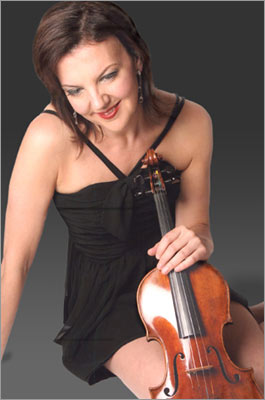
Tasmin Little

The ideal duo partnership is more than the sum of its parts. The two musical personalities don’t merge, exactly, but balance, complement and inspire each other to create a performance that enshrines the qualities of both artists – and still sounds like it sings with one voice.

That’s exactly what we got from Tasmin Little and Piers Lane in César Franck’s Violin Sonata, the climax of this lunchtime recital at Birmingham Conservatoire. It’s too simple to say that Lane’s piano represented the dark and Little’s violin the light side of Franck’s masterpiece. Both shared the same ability to charge a repeated sequence of notes with mounting emotional intensity; both understood instinctively when to make a phrase growl or gleam.

But even at its most tranquil, an undercurrent of passion drove the whole performance. Franck’s runaway accelerandos and torrential outbursts of emotion have rarely sounded more natural, or more necessary. Earlier, the pair had dispatched Brahms’s FAE Scherzo in a single symphonic sweep, and made a poetic case for Szymanowski’s neglected D minor sonata, Lane colouring his staccato chords to emulate the texture of Little’s pizzicato, and Little spinning delicate golden tracery in the skies above.

And as an encore, they pulled out an exquisite, recently rediscovered miniature by William Lloyd Webber – father of the Conservatoire’s new principal. It was enough to make you forget that you were in the grotty old Adrian Boult Hall. With artists of this quality and a sizeable and enthusiastic audience, there was no better demonstration of the promising new spirit that seems to be blowing through the Conservatoire.


Throwback Thursday: Five Questions for Julian Lloyd Webber

05 Thursday Nov 2015

Posted by richardbratby in Uncategorized

≈ Leave a comment

Tags

Amati Magazine, Birmingham Conservatoire, Julian Lloyd Webber, Metro

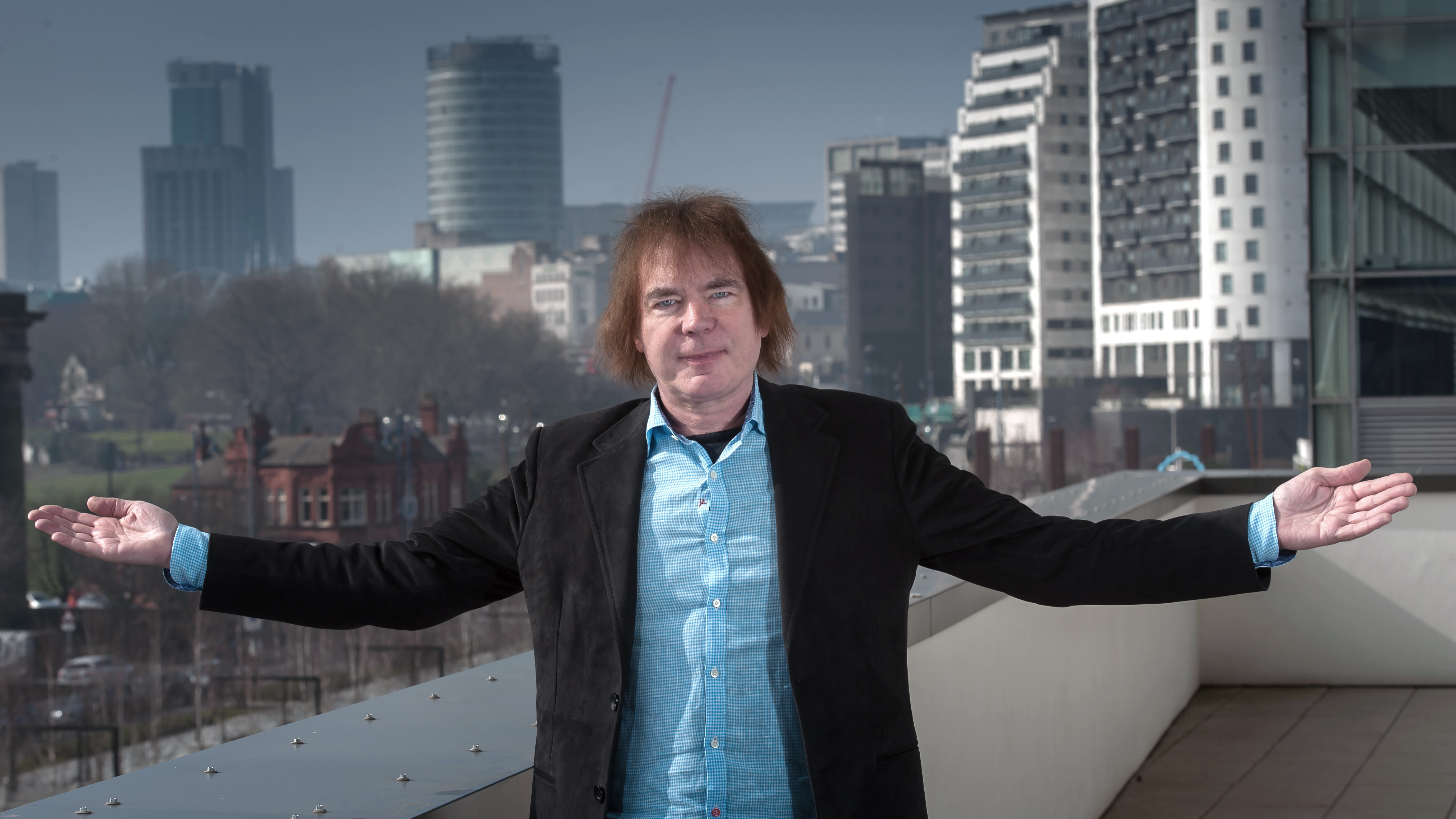
JLW_BM

As a cellist of sorts myself (and I read Travels With My Cello over and over again when I was at school) I’m looking forward to interviewing Julian Lloyd Webber next week for my ongoing Amati Magazine series on British music colleges. He’s now principal of Birmingham Conservatoire, but when I interviewed him for a short Metro article in July 2008 for Metro he was touring small venues around the UK with one of his wonderfully entertaining programmes of neglected miniatures and anecdotes – one of the things we’ve really missed since he’s had to stop playing. But he’s already re-energised the Conservatoire and I can’t wait to hear what he has in store next.


Cellist Julian Lloyd Webber has just been appointed to lead the British pilot of El Sistema – the revolutionary Venezuelan music education programme. He’s also playing a recital at Alnwick Playhouse tonight.

What’s the idea behind this concert?

This is a new venture for me. I’ve been doing quite a few concerts in more intimate venues, like the Alnwick Playhouse, and we’ve come up with a programme that’s more involving and personal. I play a bit, read from my book Travels With My Cello and later on there’s a Q&A with the audience.

Are you unearthing any more rare repertoire?

It’s quite a mixture. Not so much in this recital, but I’ve been doing quite a bit of new music lately. I’ve just been playing a new piece by Howard Goodall, and I’ll be premiering a work by Patrick Hawes next month. I’m always keen to expand the cello repertoire, whether by rediscovering older repertoire or playing new music.

Why are you so outspoken, when so many musicians just turn up and play the notes?

I think classical music gets a bad deal in the media. It’s overlooked in comparison to other forms of music. If classical musicians don’t stand up for what we love and believe in, we can’t expect anyone else to do it for us!

Why does Britain need El Sistema?

When you see all the knife crime and drug problems, it makes perfect sense. People think Britain is too wealthy to need a Venezuelan initiative, but I don’t agree. El Sistema is about using the symphony orchestra as a catalyst for social change – and reaching children who would never get to learn an instrument, in the normal run of things. It’s very timely.

Have you had to play your cello at any airports lately?

Actually, yes – I was waiting for an internal flight in Turkey last week and was a bit short of practice time, so I got the cello out right there in the lounge and had a bit of a brush-up. People looked at me as if I was some sort of lunatic.

Birmingham, Stratford and Funen

12 Friday Jun 2015

Posted by richardbratby in Uncategorized

≈ Leave a comment

Tags

Birmingham Conservatoire, Birmingham Post, Carl Nielsen, Orchestra of the Swan, Welsh National Opera

010

The Birmingham Post seems to have overcome its late difficulties with posting reviews – so here are my most recent: Birmingham Conservatoire’s baroque double bill, an interesting programme from the Orchestra of the Swan and Raphael Wallfisch and Welsh National Opera’s production of Richard Ayres’ Peter Pan. And the latest of my articles about favourite classical music books is now up on Amati Magazine – not for the faint-hearted!

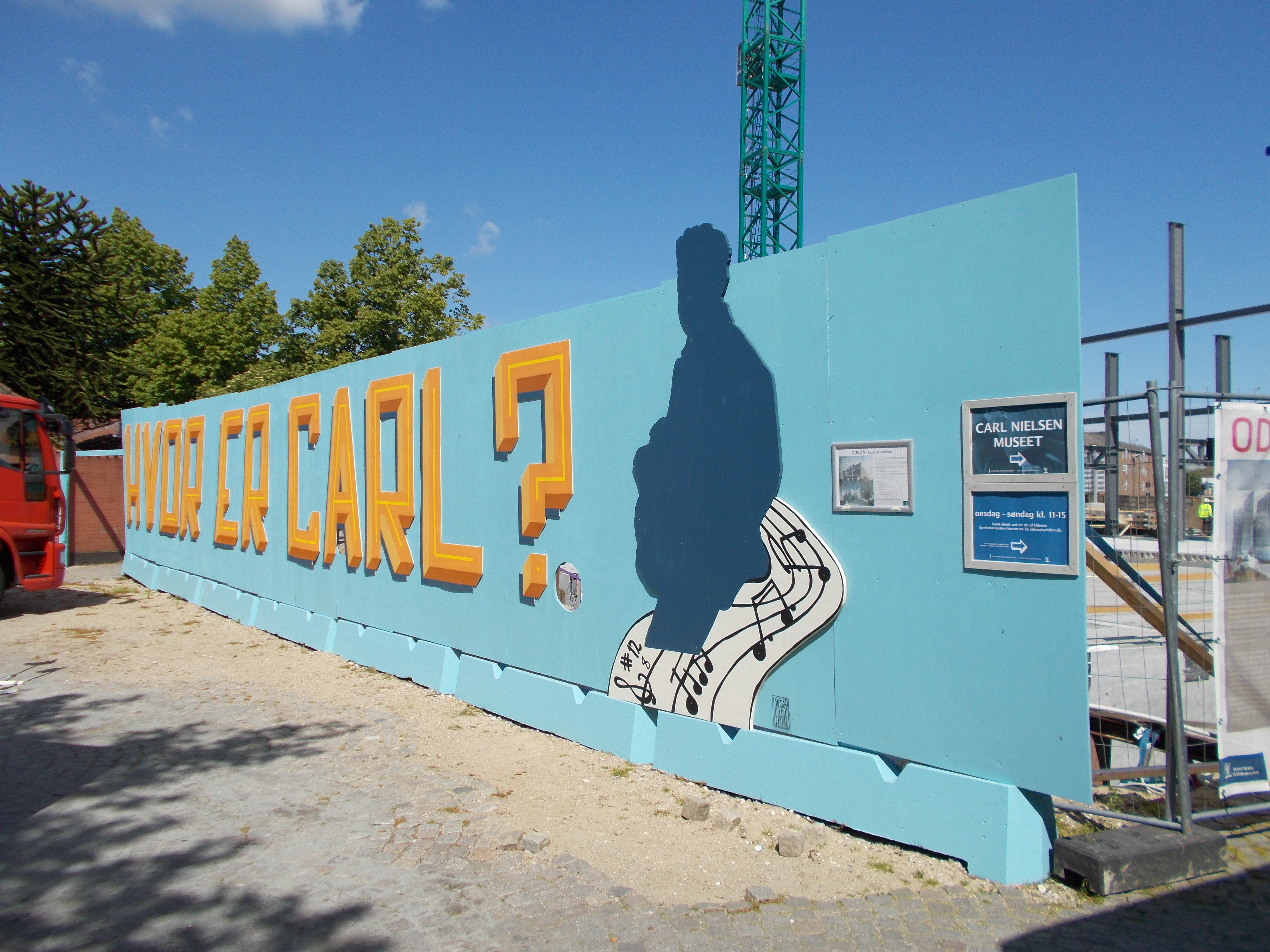
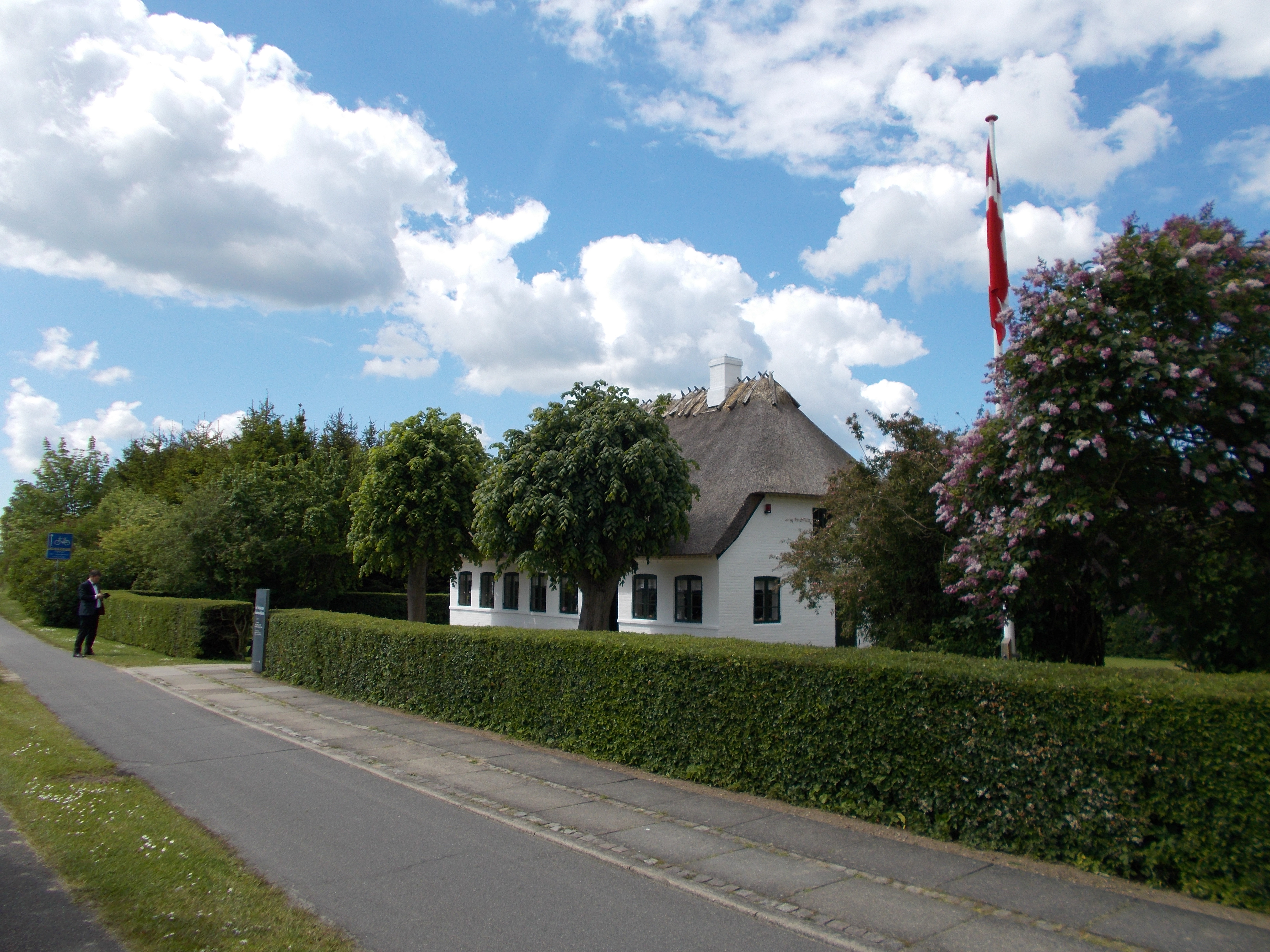
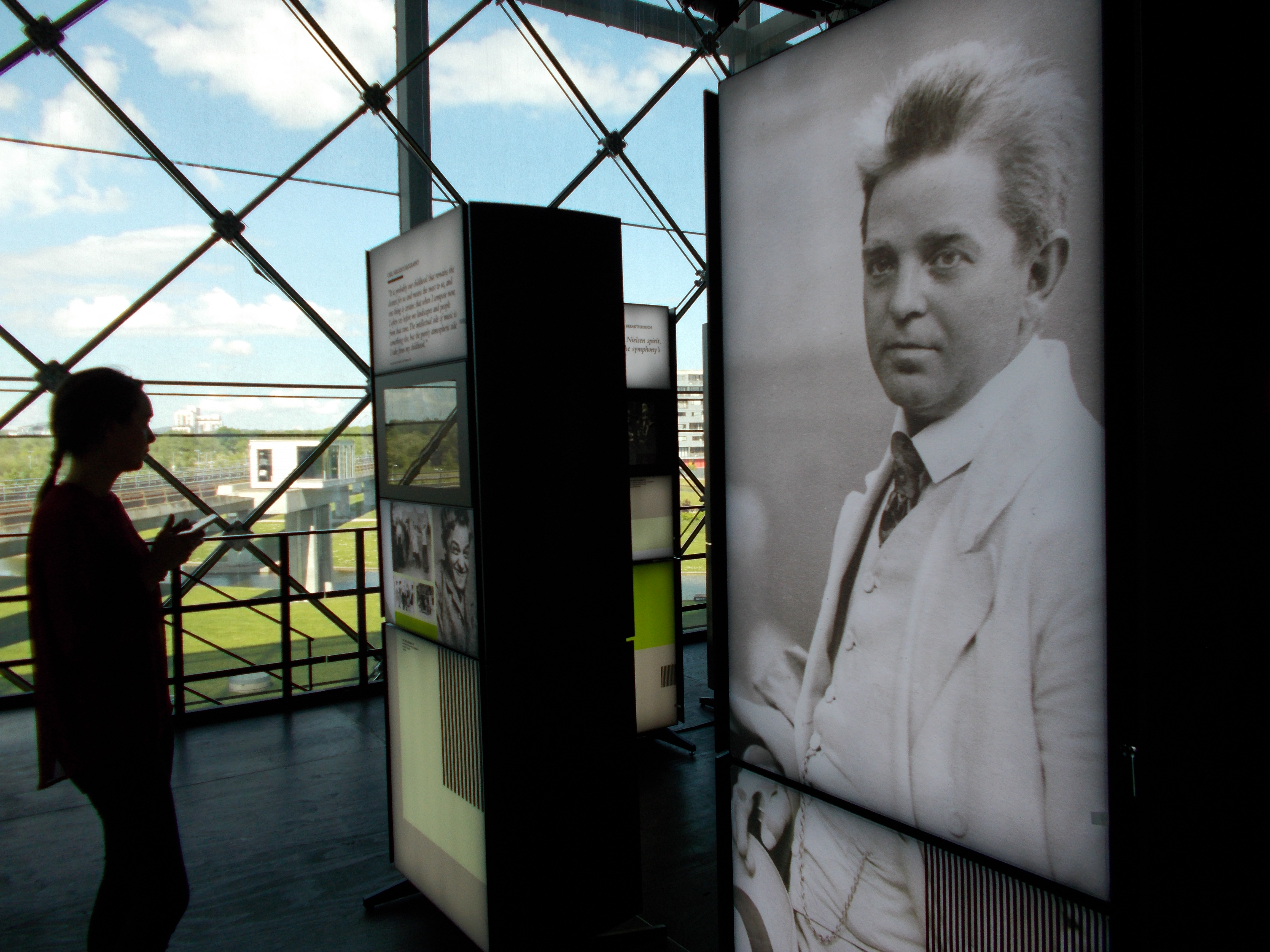
As for my big Nielsen anniversary jaunt to Denmark – watch this space. Here’s a couple of pictures for starters. And have a look at this lovely blogpost from my esteemed colleague David Nice – who was wonderfully congenial company as we explored Copenhagen and Nielsen’s “home patch” around Odense on the island of Funen.

023008

Review: Ava’s Wedding – a new opera by Michael Wolters

20 Wednesday May 2015

Posted by richardbratby in Uncategorized

≈ Leave a comment

Tags

Birmingham Conservatoire, Michael Wolters, Reviews

The Birmingham Post isn’t always able to post online everything that I’ve written for its print edition, so – after a suitable time lag (you should really go out and buy the paper!) – I’ll be posting my recent reviews here. As per the print edition, they’re all fairly concise – just 250 words. This is of a performance at the Crescent Theatre, Birmingham on 26th February 2015.


1 Ava

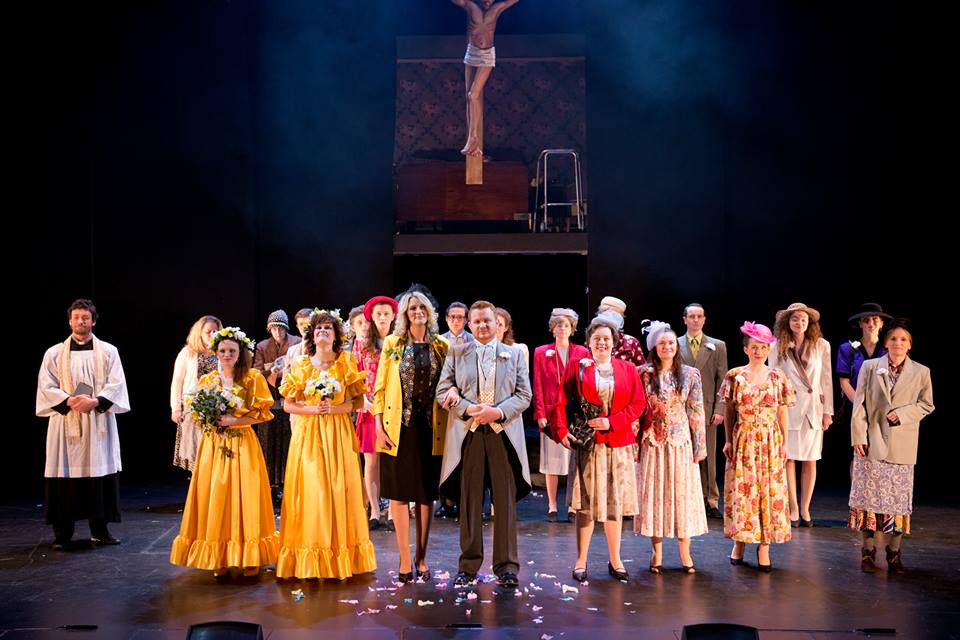
Ava’s Wedding, a new opera by Michael Wolters and librettist Alexandra Taylor, was written specifically for Birmingham Conservatoire. Whatever else it might be, that’s a significant achievement, as was this whole vividly-realised premiere production.

There are caveats. Ignore the patronising programme essays: the idea of using grand opera conventions to satirise English manners is as old as Gilbert and Sullivan. Taylor’s expertly-crafted libretto is one of the least poetic we’ve heard in a modern opera – and that’s high praise. But a few details jarred: did the word “Islamophobia” even exist in 1988, the period evoked by Colin Judges’ designs and Jennet and Alan Marshall’s costumes? The inner logic of a comic opera has to be watertight.

Because that’s what this is: a pacy black comedy of an extended family hurtling towards a series of disasters that they’re all simply too polite to avoid. Director Michael Barry handled the interlocking storylines deftly and lucidly. Eleanor Hodkinson played Ava with quiet desperation; the punk Holly (Victoria Adams) and her rival Georgia (Elizabeth Adams) nearly brought the house down with a pair of matched coloratura arias about bridesmaid’s dresses, while estranged sisters Patricia (Samantha Oxborough) and Rita (Eloise Waterhouse) each found real pathos in their balancing accounts of a family feud.

But with 21 named parts, a five-part chorus representing Truth, and at least 10 separate storylines it was hard for individual characters to emerge; and the grand guignol ending left you unsure whether you were really meant to believe in any of them. Likewise, Wolters’ gutsy post-minimalist score: based on English composers from Ethel Smyth to Andrew Lloyd Webber, it often seemed to work against the emotion.

Under Fraser Goulding’s baton, though, it was never less than entertaining, and at moments – such as an exquisite four-part madrigal – seemed to be straining towards a real operatic tragedy, not just a parody. Frustrations notwithstanding, Ava’s Wedding leaves you wanting to watch it all over again: a rare feat for a new opera.

Contact Details

38 Beacon Street
Lichfield
United Kingdom
Staffordshire
WS13 7AJ

07754 068427

Archives

  • June 2020 (1)
  • October 2019 (2)
  • January 2018 (1)
  • December 2017 (2)
  • November 2017 (2)
  • October 2017 (1)
  • August 2017 (2)
  • July 2017 (1)
  • June 2017 (3)
  • April 2017 (2)
  • March 2017 (2)
  • February 2017 (2)
  • December 2016 (1)
  • September 2016 (3)
  • August 2016 (1)
  • July 2016 (1)
  • June 2016 (2)
  • May 2016 (1)
  • April 2016 (3)
  • March 2016 (6)
  • February 2016 (1)
  • January 2016 (3)
  • December 2015 (6)
  • November 2015 (4)
  • October 2015 (6)
  • September 2015 (5)
  • August 2015 (5)
  • July 2015 (8)
  • June 2015 (12)
  • May 2015 (12)
  • April 2015 (1)
  • February 2015 (1)
  • January 2015 (2)
  • December 2014 (4)
  • November 2014 (3)

Archives

Blog at WordPress.com.

Privacy & Cookies: This site uses cookies. By continuing to use this website, you agree to their use.
To find out more, including how to control cookies, see here: Cookie Policy
  • Subscribe Subscribed
    • Richard Bratby
    • Join 29 other subscribers
    • Already have a WordPress.com account? Log in now.
    • Richard Bratby
    • Subscribe Subscribed
    • Sign up
    • Log in
    • Report this content
    • View site in Reader
    • Manage subscriptions
    • Collapse this bar
 

Loading Comments...