Visiting Sir Edward

Tags

, , ,

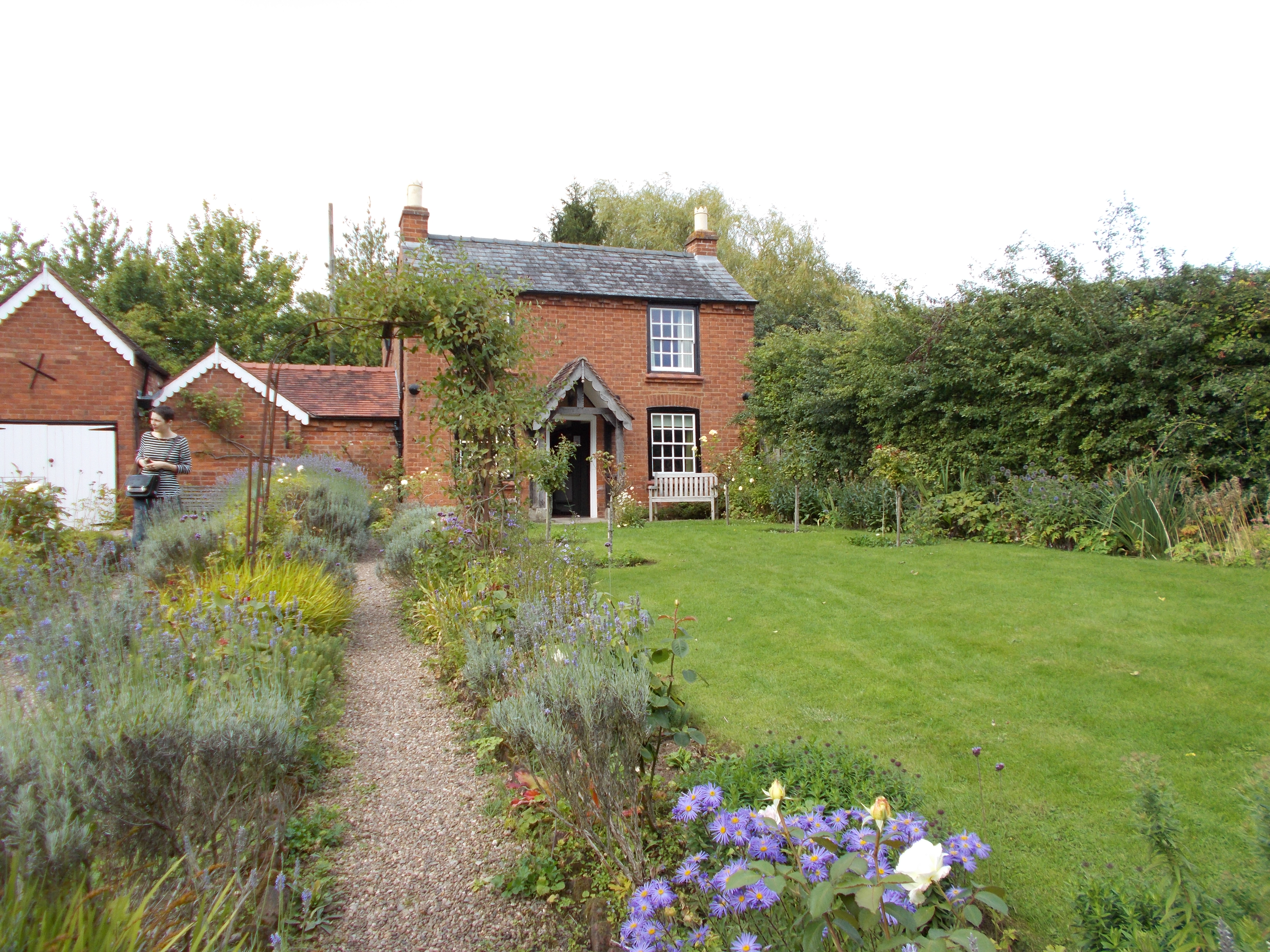
I don’t know why we had the sudden urge on Friday to return for the first time this decade to Elgar’s birthplace. As the man himself said, there is music in the air, and when it’s early autumn in the English Midlands, that music has nobilmente written over it. The St Petersburg Enigma at the Proms last week may have been a factor, but anyway, it suddenly just felt necessary, like an overdue visit to a very old and dear friend.

025

I was last there for the launch of Michael Foster’s book on the Apostles trilogy in about 2003 – when there was cake, bubbly and a speech from Sakari Oramo, but no time to look around the new visitor centre and exhibition. And the time before that was in 1993, when there was no visitor centre: just the cottage itself, packed with relics and with a shop crammed into a tiny back room. That time, I took the train from Oxford to Worcester and cycled through the lanes to Broadheath. It was a sunny day in early summer; they had the cottage door open and the Violin Concerto was drifting softly out into the garden and mingling with the birdsong.

009

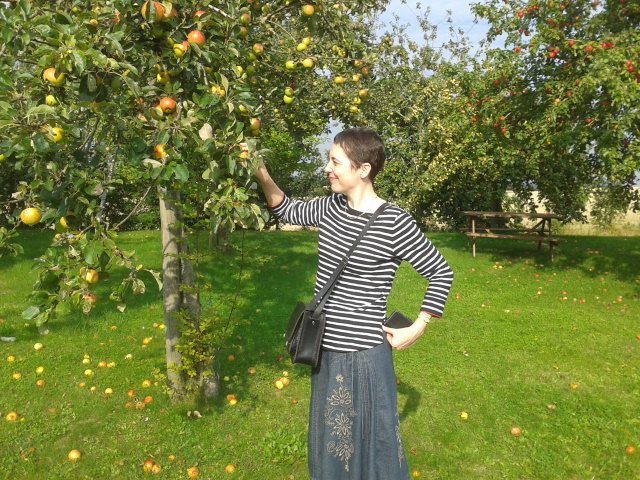
There was a lot of controversy about the building of the visitor centre in the late 1990s – I was on the “anti-” side of that argument at the time. Arriving on Friday, I had to admit that it’s barely noticeable and beautifully done. The traffic on the lane seems busier, but the lovely rural isolation of the cottage has been preserved, and you park your car in the middle of an apple-orchard. On this September day every tree was weighed down with fruit.

Elgar apples

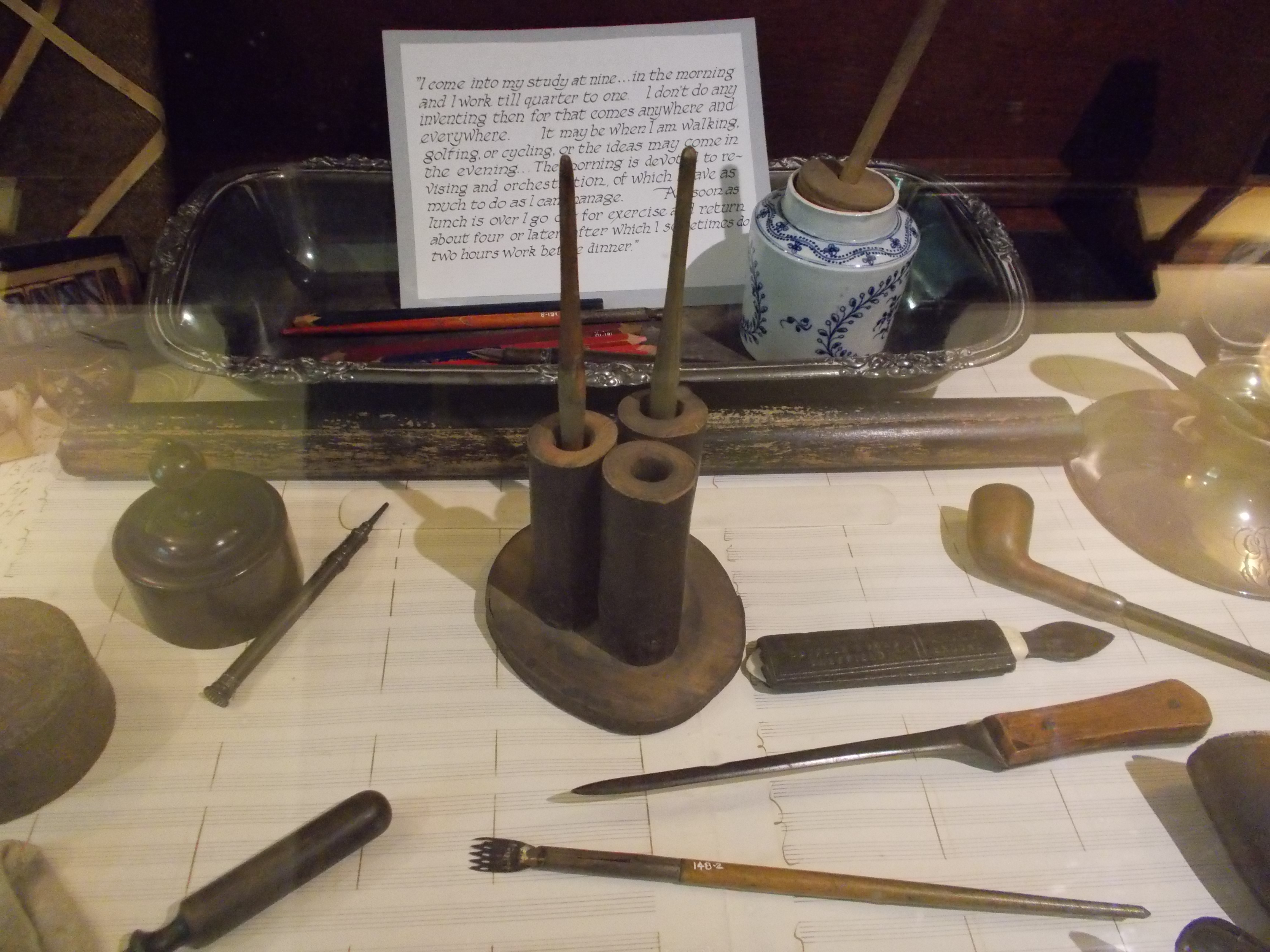
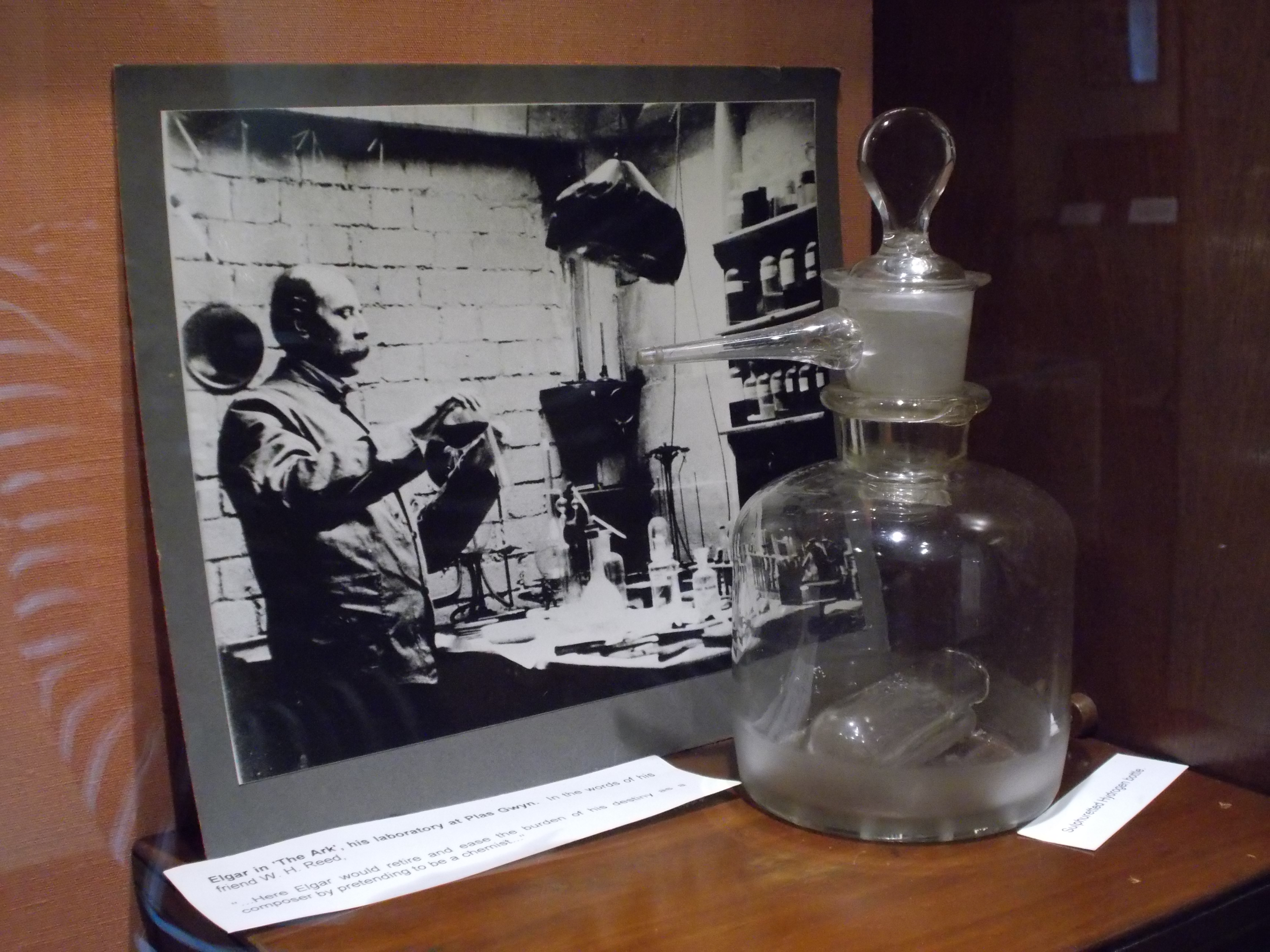
I can’t quite recall, but the cottage seemed a bit emptier than I remembered, though many of the most wonderful relics – Elgar’s apparatus for making Sulphuretted Hydrogen, the framed signed photos from Henry Wood and Richard Strauss, and Elgar’s desk, complete with manuscript paper marked up by Lady Elgar and the rough-looking pen-holders he made out of branches that he picked up in the woods around Brinkwells while he was writing the Cello Concerto – are certainly still there.

014 012 021

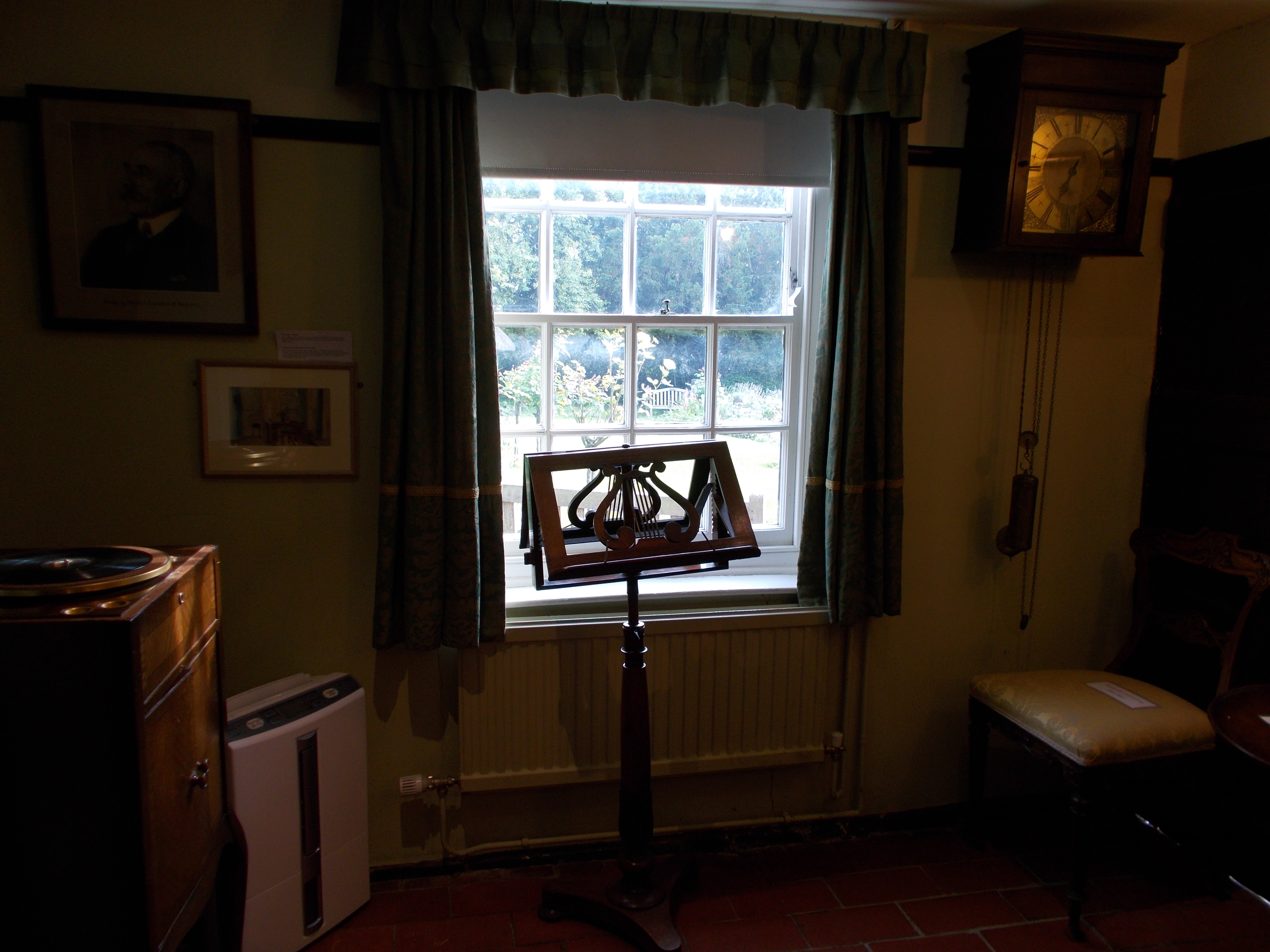
Probably most of the really priceless relics that used to be in the cottage are now in the visitor centre, where they have excellent displays (including the manuscript of the Second Symphony) friendly staff and a wry sense of humour.

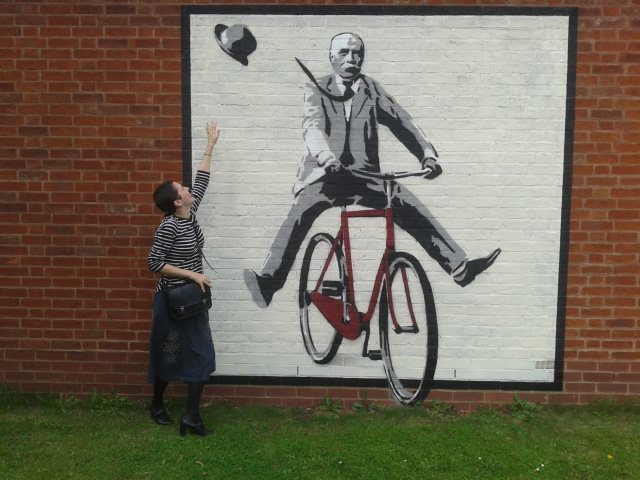
Elgar Graffiti

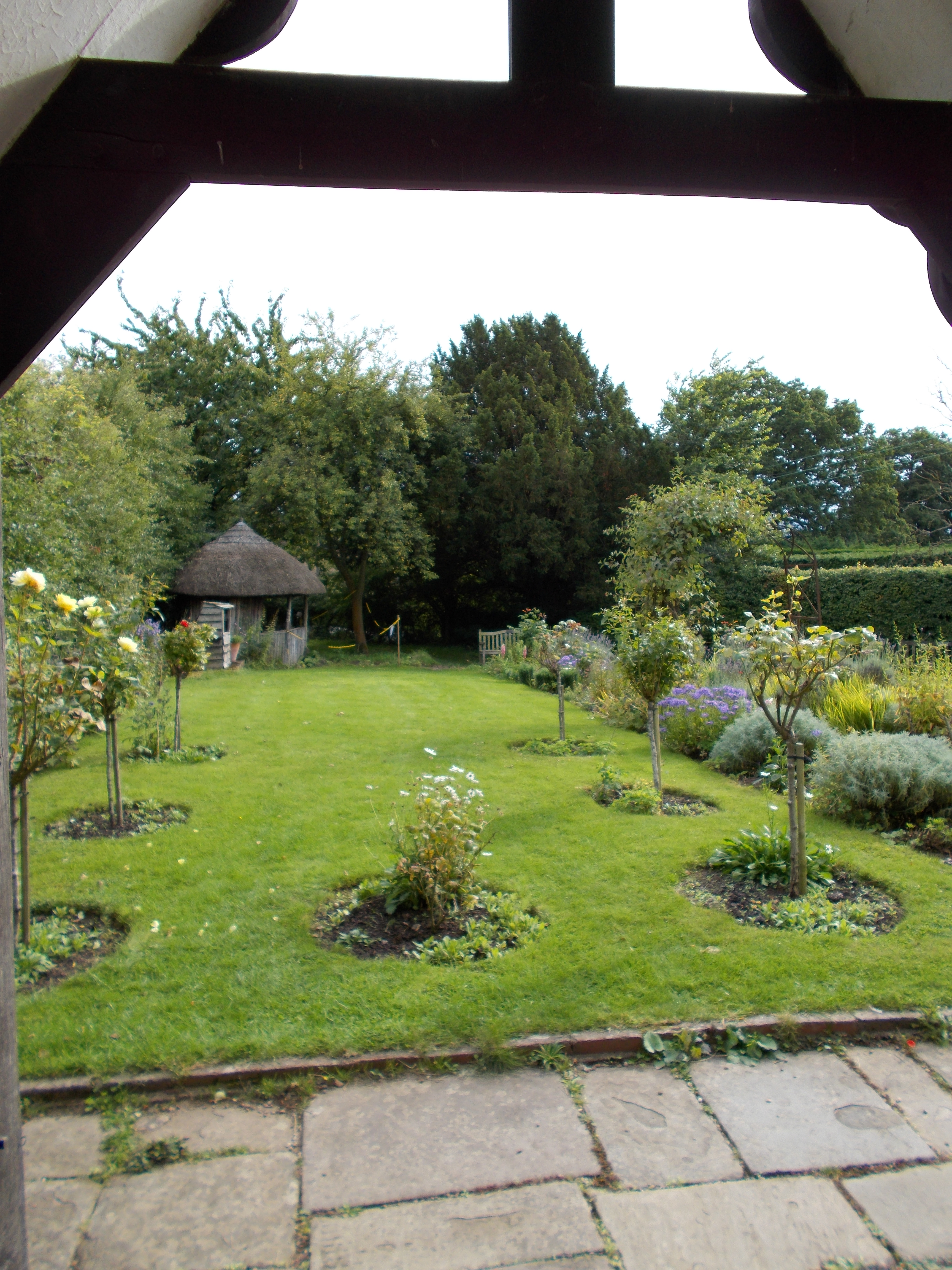
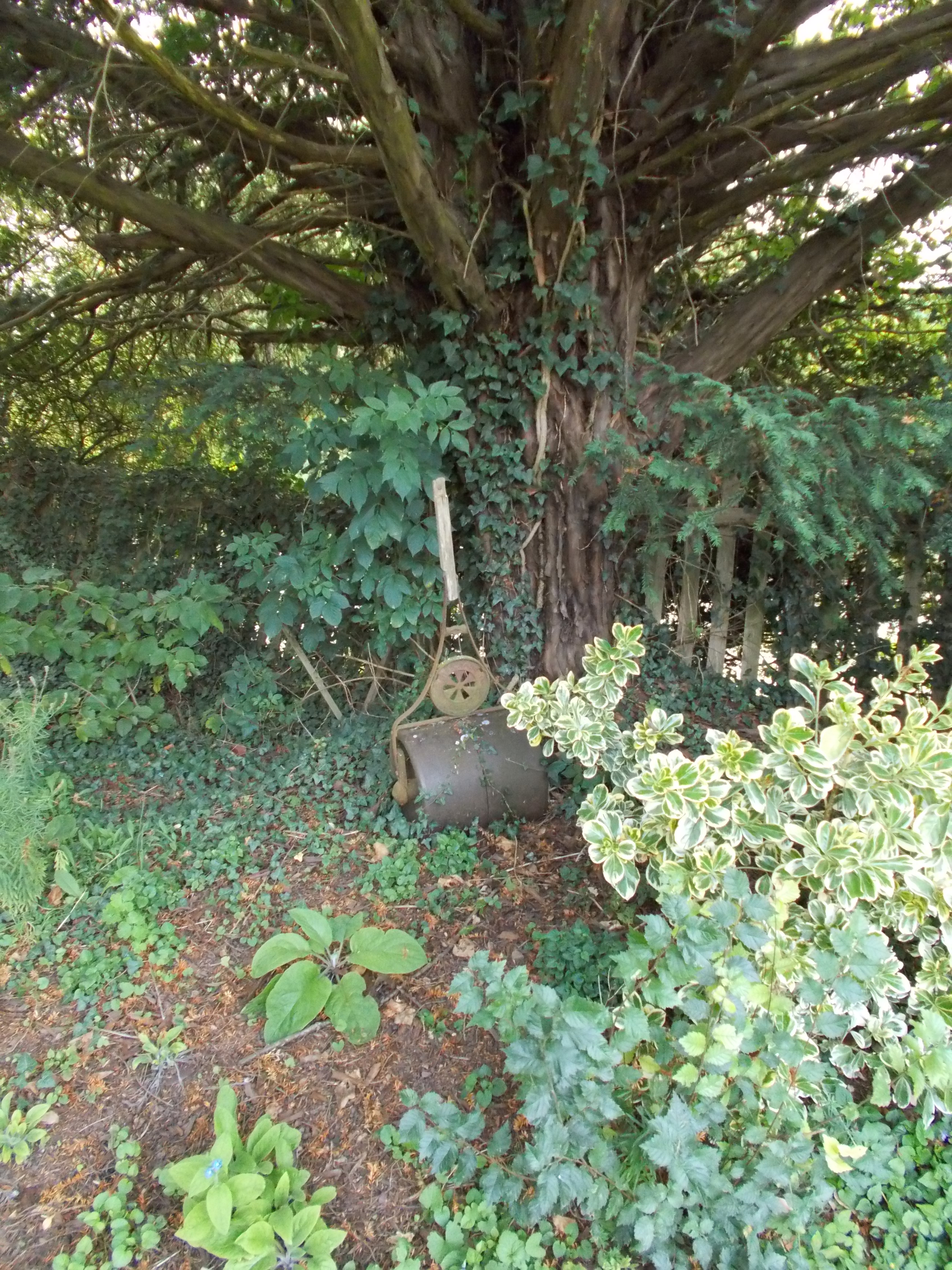
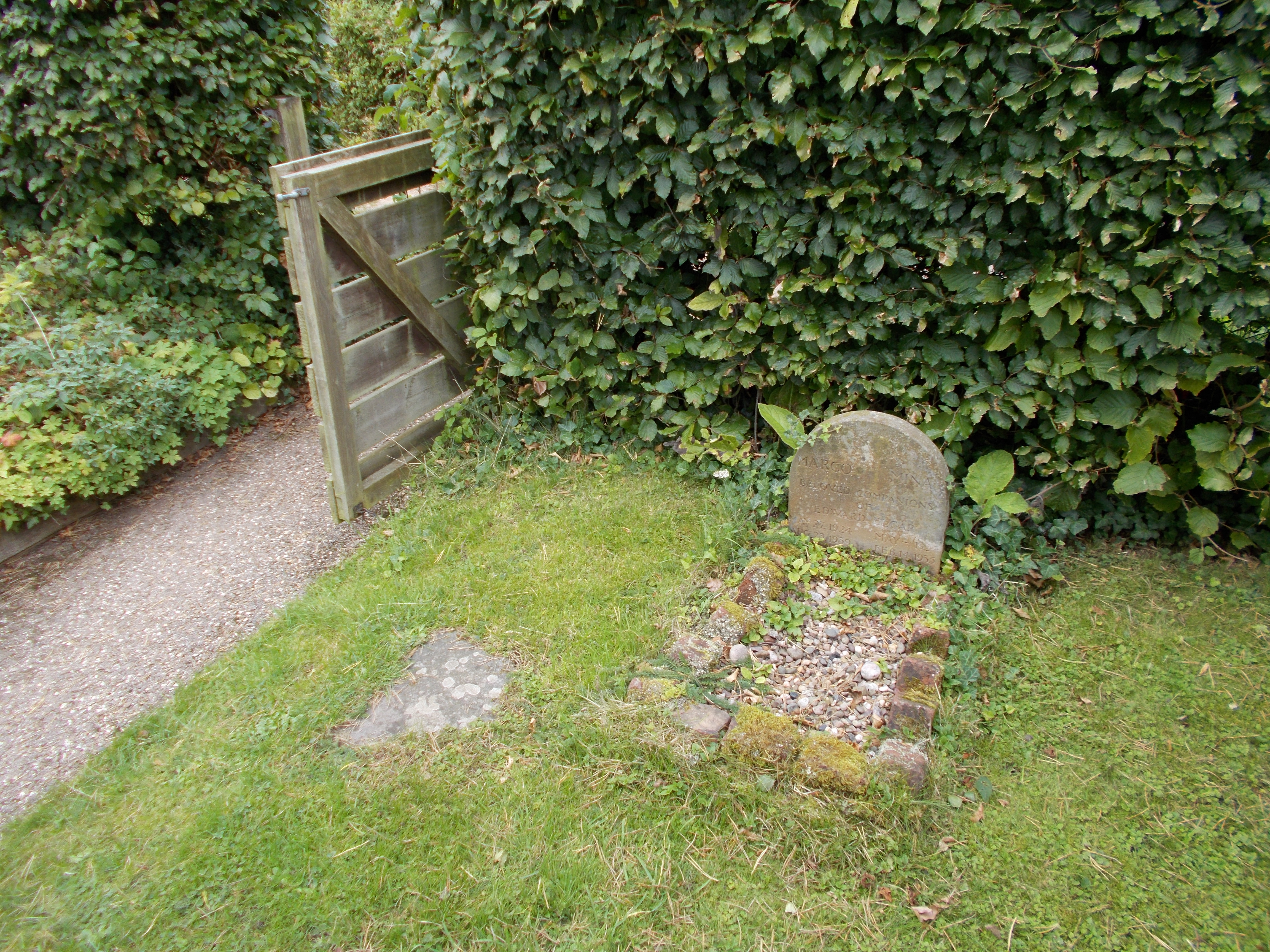
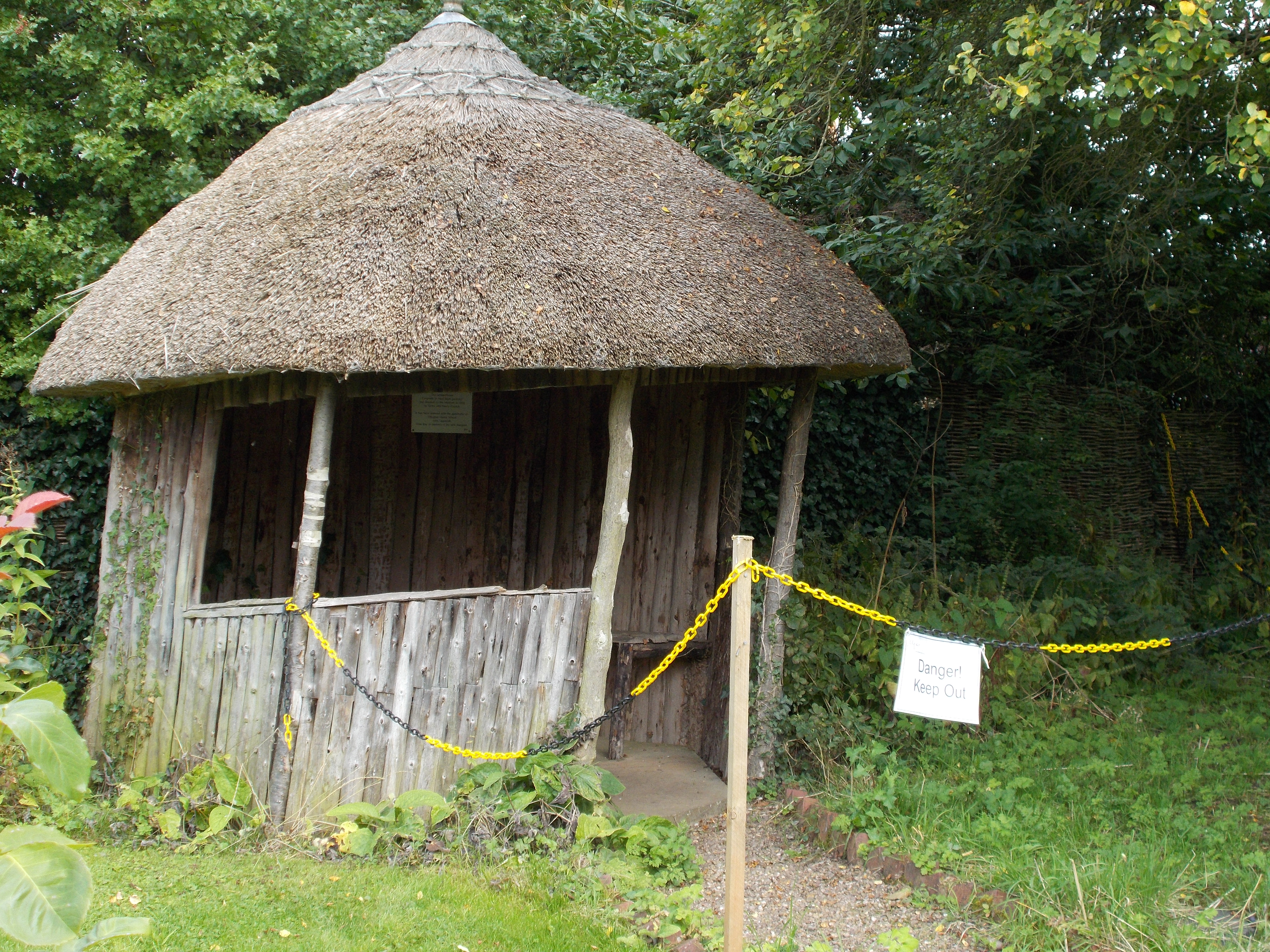
And the cottage garden – where, more than anywhere in the world, you feel like the spirit of Elgar himself is standing right next to you – is as magical as ever; well looked-after but not too manicured. The late summer flowers were just starting to fade, the grave of his dogs Marco and Mina are well-tended and the summer house needs a bit of urgent TLC.

027

004 026

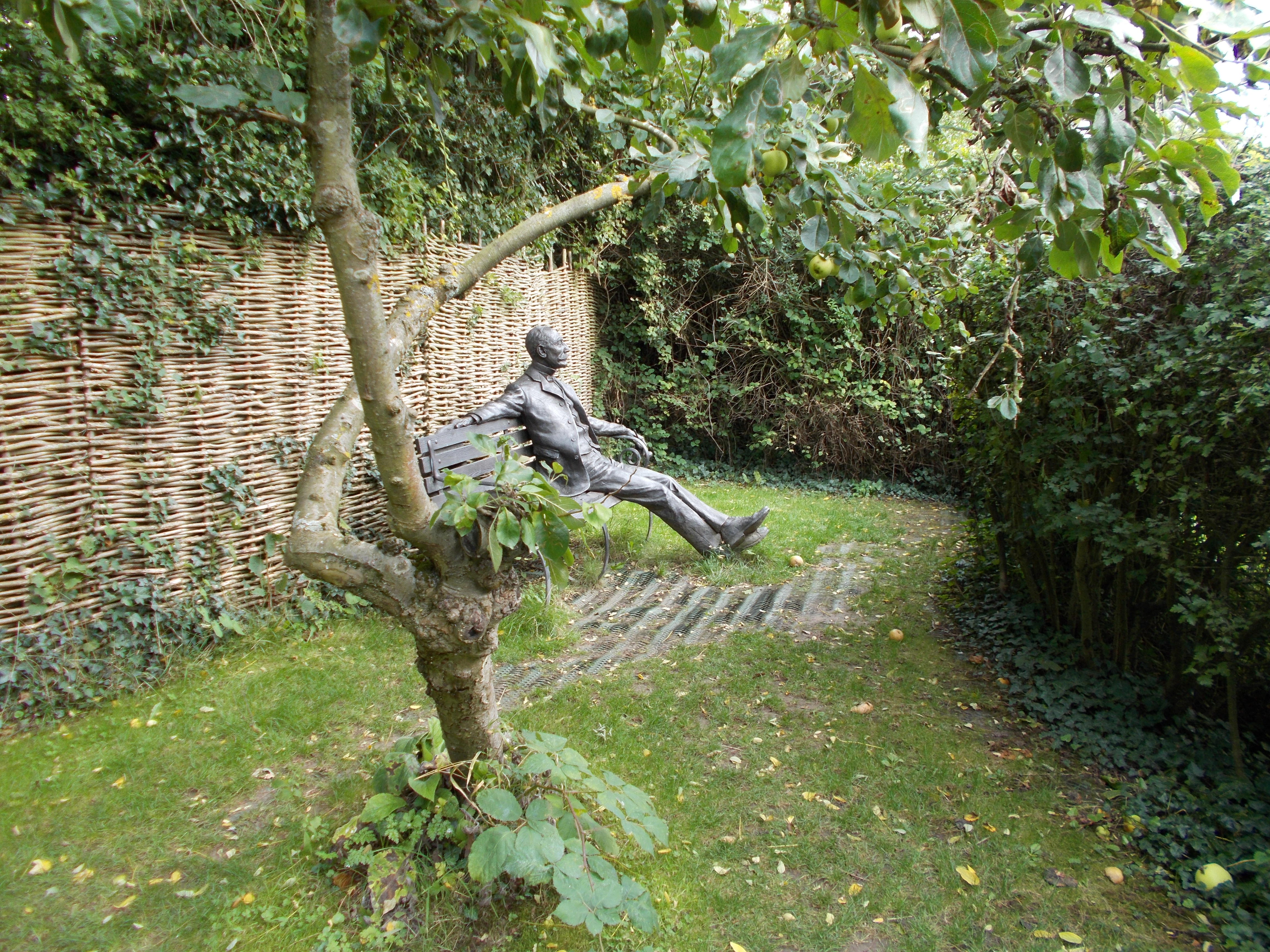
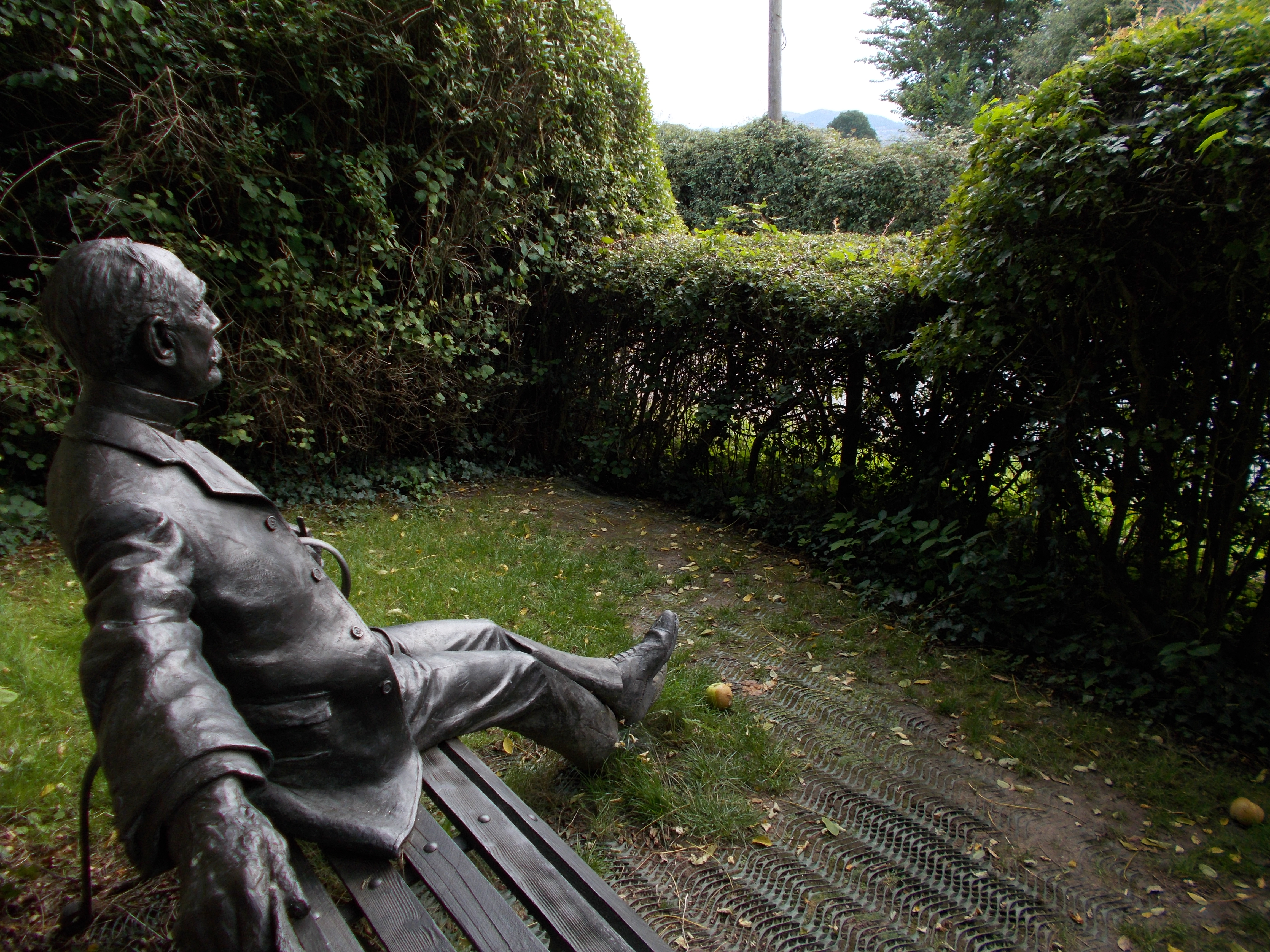
But one magical new surprise remained, dating from 2007 – a familiar figure on a bench in the bottom corner of the garden, legs outstretched, looking out across the lane towards the Malvern Hills – which were just starting to vanish in the haze as we left.

042

We were glad to see that they keep the hedge trimmed down at exactly that spot, so he can forever enjoy the view that he loved above all. We left him there, and listened to the Vienna Philharmonic’s Proms Dream of Gerontius in the car as we sped back north up the Severn valley.

040

Back at the desk, meanwhile, I wrote this article for The Amati Magazine, inspired by my experiences with my own beloved CBSO Youth Orchestra, and a few more-or-less reprehensible memories from my own Merseyside and Wirral Youth Orchestra days. I’m keen to know what people think.

Thought for the Day

Tags

, , ,

The Albert Hall, of course, is a joke. Nothing can be heard save the echo. Sir Thomas Beecham was once rehearsing there when the hammering of some workmen caused him to exclaim: ‘Splendid! They’re pulling the damned place down at last!’

Bernard Shore: The Orchestra Speaks (1938)

On a completely unrelated note, here’s my final despatch from the Presteigne Festival.

Double Danish

Tags

, ,

150820-1 150820-5 150820-8150820-2
The Birmingham Post liked my article on Carl Nielsen so much that they’ve let the Birmingham Mail print it too – my first appearance in the Mail. Compare and contrast both versions here:

Birmingham Post – Nielsen Article

Birmingham Mail – Nielsen

And here’s the full-length version of the final two paragraphs:


“We’re very excited to be coming to Symphony Hall, which I’ve been to twice, and consider to be the finest concert hall in Britain” says Müller. “We’re also excited to be doing Nielsen’s Fifth Symphony, because it doesn’t involve words – and as an opera orchestra, what we do here usually involves a lot of words! But we’re doing it with Nørgård and Schoenberg – a serious, substantial programme.”

And on the strength of the Royal Danish Orchestra’s performance in Saul and David, it’ll be a gripping one, too. Nielsen’s lust for life seems to have rubbed off on his old orchestra. A challenging concert? “In every man or woman there is something which, in spite of all defects and imperfections, we will like once we get to know it” writes Carl Nielsen in My Funen Childhood. Which is why the best possible birthday present to that quirky, exuberant country lad from Funen is a concert that acknowledges no musical boundaries.

Presteigne Festival

Tags

, , , , , , ,

For me, the last weekend of August has traditionally been the time when I take a deep gulp, and look straight into the oncoming headlights of the new concert season. This is it, the party’s over – no sleep till Christmas and a range of mountains to climb first. This year is different: it’s an inexpressible relief, and genuinely inspiring, to be standing on the brink of a new season, and to think of all the fantastic concerts to go to, and the seriously exciting writing projects I’ve got ahead.

002

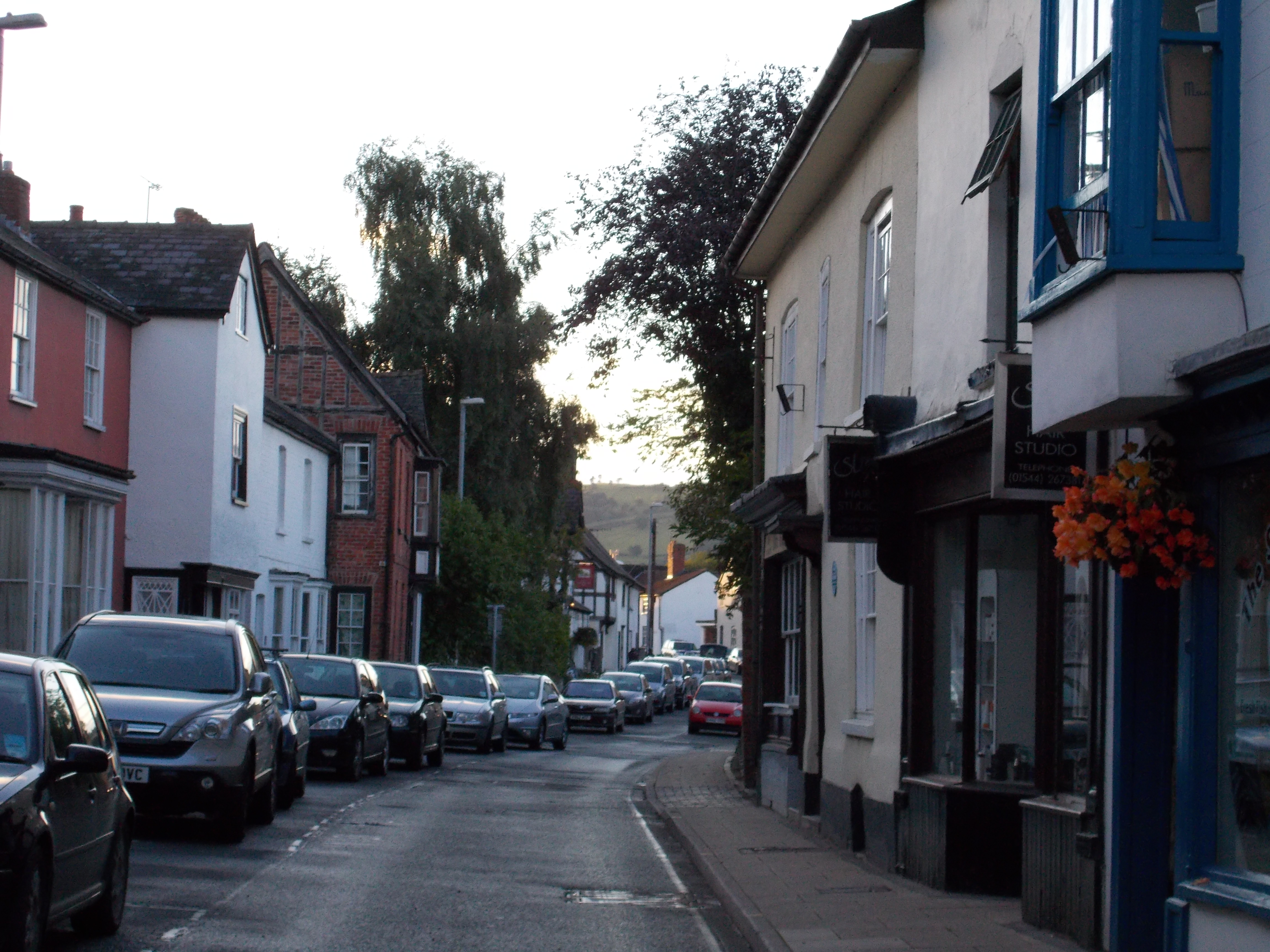
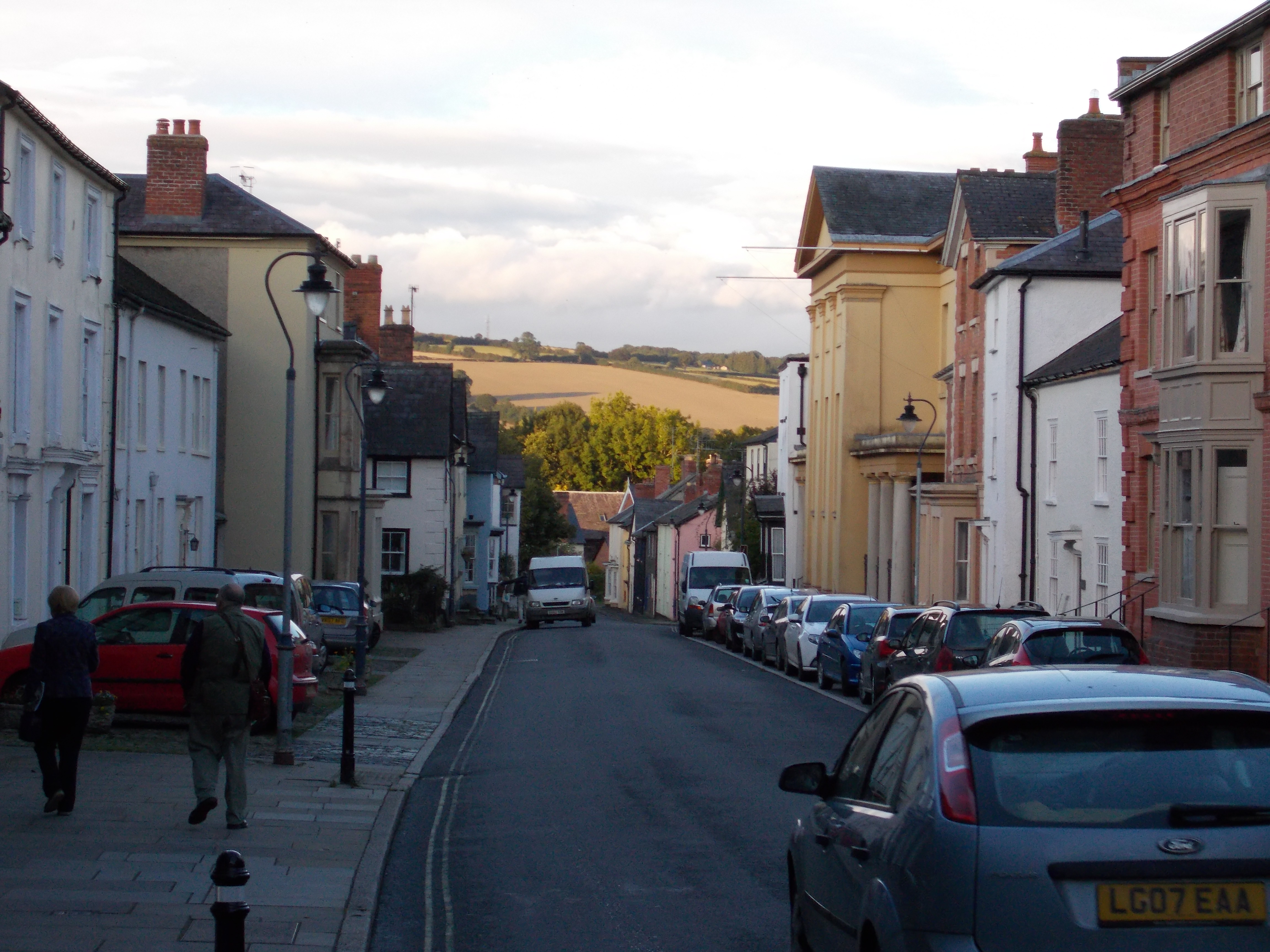
And there could have been no nicer way to say farewell to the summer Festival season than with two visits deep into the Welsh Borders, for the Presteigne Festival. Presteigne is one of those small Marches towns that, deprived of its railway half a century ago, has cheerfully reasserted itself. Like Ludlow to the east and Hay on Wye a couple of valleys to the south, it’s acquired a remarkable subculture of resident artists, foodies, craftspeople and writers determined to make the place thrive. Quirky little bookshops, creaky old coaching inns, artisan bakers, new-age bead shops and family butchers, all clustered round a couple of streets and set against rolling hills. It’s the kind of place that makes you wish you owned a muddy Labrador.

010

025

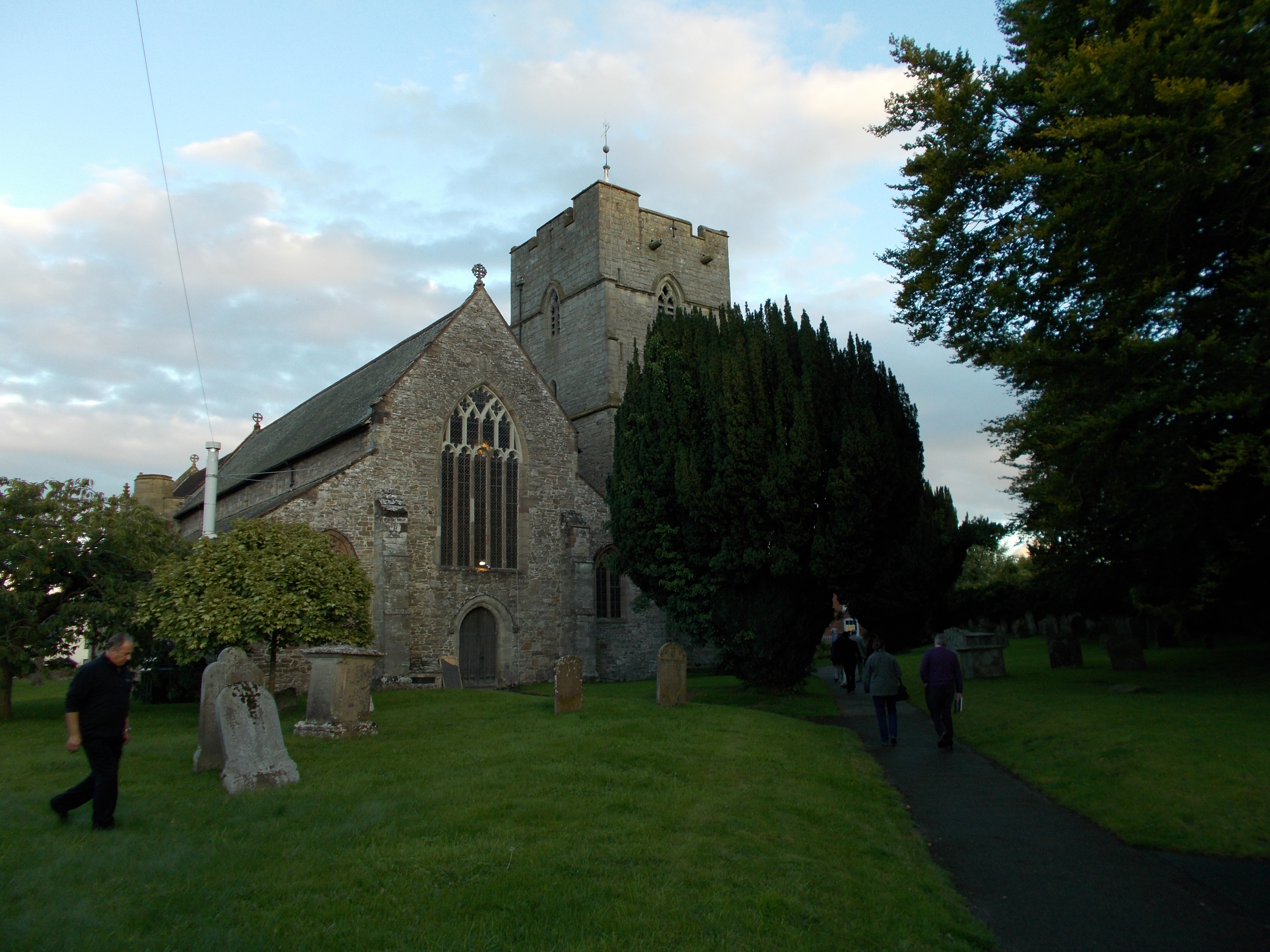
It’s also got an arts festival with serious ambition. The Festival is chamber-scale – the size of St Andrew’s Church puts a natural ceiling on what can be done. But under George Vass’s artistic direction, there’s no ceiling on the quality of the artists who perform, or the Festival’s commitment to contemporary music. Presteigne has quietly become the pre-eminent showcase for a certain kind of British new music which, if you wanted to label it (and there’s nothing dogmatic about Vass’s approach) might be called post-post-war: composers of the quality of David Matthews (who was in the audience last night), Cecilia MacDowall, Robin Holloway, Anthony Payne, Michael Berkeley (who lives just over the hill in Knighton) and the late John McCabe, to whose memory last night’s concert was dedicated. My review of that concert will appear in The Birmingham Post shortly.

019

As I said, though, there’s no dogmatism about Presteigne: the Festival opened last Thursday with a strikingly contrasted double bill of chamber operas by Thomas Hyde and the superb Charlotte Bray, one of the boldest and most original voices on the current scene. My review for The Arts Desk is here. The point is, that in this tiny Marches town, these concerts – all of which contained new music, and many of which featured substantial premieres – played to a full house (well, church). And that both before and after the concerts, audience members could be heard praising, abusing, discussing and enthusing over these works in pubs and restaurants around the town. (Oh, and no-one clapped between movements either).

032

That’s the nice thing about Presteigne: the town’s small enough and the atmosphere is so welcoming that as an audience member, even for one night, you feel like you’re taking part. I was delighted to see some dear colleagues there –  Clare and David Stevens, who live in Presteigne and seem to turn their home into a hotel for itinerant musicians during the Festival, and Stephen Johnson (who lives near Hereford), with the terrific news that one of his orchestral works is to be played at Symphony Hall next spring. I’d wondered about the Presteigne Festival for years; now I’ve finally made it down the valley and across the border, I have a feeling I’ll be going again.

037

Throwback Thursday: The Chairman of the Board

Tags

, , , , ,

If Glazunov’s had a bit of a raw deal on his 150th anniversary, Frank Sinatra’s had nothing to complain about in what would have been his 100th birthday year: documentaries on BBC4 and one heck of a late night Prom from my old colleague John Wilson and his Orchestra (probably my single favourite group specialising in Historically Informed Performance).
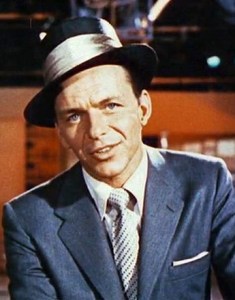
Frank Sinatra in

Frank Sinatra in “Pal Joey”, 1957 – Wikimedia Commons

People have sometimes been surprised that I’m so enthusiastic about Ol’ Blue Eyes, but the truth is that I’m not particularly interested in the life-story: honestly, I could do with a lot less about Mia Farrow, Vegas, Sam Giancana, the Kennedys and all that Rat Pack nostalgia – the stuff that’s been turned into an industry, as Philip Clark points out in this Spectator article. Happily, I was too young to really witness much of him in his long declining years: I own about 20 Sinatra CDs, and not one of them features him singing New York, New York, or god help us, My Way.

What does interest me is the Great American Songbook, the art of the lyricist, and the craft of the commercial orchestrator. And Sinatra’s Capitol-era recordings, and a handful of their successors on Reprise – roughly from Songs for Young Lovers (1954) to September of My Years (1965) – are just some of the most perfect, most loving tributes ever created to all of those things, performed by a singer of intense sensitivity and absolutely peerless technique.

True, he wasn’t a very nice man – but he was a supreme artist. When you’re a Wagnerite, you get plenty of practice coming to terms with that. In The Wee Small Hours and Songs for Swingin’ Lovers are albums that I’ve returned to again and again over the last decade and a half: if you’re male, and living in the modern world, the first of these is practically a handbook for dealing with heartbreak.

But that’s a matter for another day. This summer I’ve been exploring some more corners of Sinatra’s Capitol legacy: the sublime Only the Lonely, No One Cares and most extraordinary of all, Close To You (1957) the breathtakingly lovely album in which Sinatra is accompanied by the Hollywood String Quartet, playing gorgeous, Ravel-infused Nelson Riddle arrangements of songs by Harold Arlen, Johnny Mercer and my beloved Rodgers and Hart. The greatest crossover album of all time? No, not really: there’s no artistic compromise here. It’s simply perfect in and of itself.

Anyway…this is a programme note I wrote on the big fella for the CBSO, a couple of years back. Gary Williams was the vocalist, and while I’d loved to have spent the entire 2000 words talking about Sinatra’s phrasing and the respective make-up of Nelson Riddle, Gordon Jenkins and Billy May’s orchestras, as a programme note writer you’re serving your client and your audience. So while I had to pay lip service to the Sinatra Industry – the American Dream backstory, the Sands Hotel anecdotes – I hope that nonetheless, something more thoughtful came through too. This is great music, immortalised by a great interpreter: it deserves (and repays) close listening. Here’s what I wrote.


The Man…

Frank Sinatra’s story reads like a movie script – nothing less than the American Dream itself, set to the greatest popular music of the 20th century. But Francis Albert Sinatra really was born in 1915 to a couple of Italian immigrants in New Jersey: a skinny Italian-American kid with jug ears who survived by his fists on the streets of depression-era Hoboken. Until that day at a movie theatre in Jersey City in 1931, when he heard Bing Crosby sing – and decided he could do that too.

What follows sounds unbelievable, but it’s the straight dope. A job as a singing waiter at the Rustic Cabin roadhouse paid young Francis $15 dollars a week, singing standards amongst the pepper steak and eggplant parmigiana – but it led to him being spotted by the bandleader Tommy Dorsey. Sinatra signed with Dorsey in November 1939. “He looked kinda thin”, recalled one band member. Eight months later, his recording of I’ll Never Smile Again with Dorsey’s orchestra was topping the charts. It stayed there for twelve weeks.

Sinatra listened to Dorsey’s trombone playing, and learned fast. “It was my idea to make my voice work in the same way as a trombone or a violin” he explained, years later “Not sounding like them, but ‘playing’ the voice like those instruments”. But how could a seven-stone weakling like the 25-year old “Little Frankie” develop the lung-power to soar over a big band? “I began using the pool at Stevens Institute of Technology whenever I had a chance, and I would swim underwater. The guys there would say to me ‘Don’t you ever swim on top of the water?’ I said ‘No. There’s a reason for it’. But it did help me develop”.

Now the tempo picks up. Late in 1942, Sinatra signed to Columbia Records as a solo artist. At a New Year’s Eve show at New York’s Paramount Theatre, Sinatra was a supporting act. The bandleader Benny Goodman had never heard of him – until Sinatra’s screaming fans actually drowned out the band. “What the hell was that?” Goodman asked. He’d soon know: newspapers called the phenomenon “Sinatrauma”. When Sinatra returned to the Paramount in 1944, Times Square was gridlocked as swooning hordes of bobby-soxers filled the streets yelling “Frankieeeee!” With his bow-tie, blue eyes and brilliantined hair, by 1950 Sinatra was the biggest teen idol on earth.

Ten years later in January 1960, as Sinatra teamed up with Dean Martin and Sammy Davis Jr at the Sands Hotel, Las Vegas for a residency so glamorous that it was dubbed “The Summit Meeting”, his career hit its sensational peak. He was the leader of the “Rat Pack” (though they preferred the term ‘the Clan’), a friend of the powerful (both legal and not-so-legal), a movie star, and a performer whose mere presence in Vegas could double takings along the Strip. (“DEAN MARTIN” announced the billboard at the Sands one night. “MAYBE FRANK. MAYBE SAMMY”). The Jersey boy was king of the hill, head of the list – top of the heap.

But the journey from bobby-soxer dreamboat to Chairman of the Board had been troubled. By 1950, Sinatra’s teenage fanbase was outgrowing him and an increasingly desperate Columbia Records was forcing him to record novelty duets with a howling dog (1951’s Mama Will Bark – according to one critic, “the most degrading song of his career” though many would give that honour to his 1993 duet with Bono). His marriage to childhood sweetheart Nancy Barbato had disintegrated, and he was about to embark on a tempestuous second marriage with the “love of his life” Ava Gardner. Columbia dropped him in September 1952. Twelve months later he separated from Ava. Shortly afterwards, he took an overdose of sleeping pills.

“Sinatra had hit bottom, and I mean bottom” remembered Alan Livingston, vice president of Capitol Records. “He couldn’t get a record contract and he literally, at that point, could not get a booking in a nightclub.” But Livingston had the instincts of a stock-market gambler: buy at the bottom. When Sinatra’s agent “asked if I’d be interested in signing him. I said, ‘Sure! His talent is still there…’ And that’s how he came to Capitol”.

Livingston took that talent and began to mould a sophisticated new Sinatra. Out went the bow-tie and brilliantine; in came sharp suits and rakish fedoras. In, too, came new musical collaborators; the seasoned arrangers Nelson Riddle and Billy May. And out went canine vocalists. With the release of Songs for Young Lovers in January 1954, Frank Sinatra began his ascent from washed-up boy singer to the defining male vocalist of the 20th century. Along the way, he’d create some of the most perfect recordings ever made of the very greatest songs in the Great American Songbook.

…and his Music.

Throughout his career, Sinatra surrounded himself with the best musicians he could hire, and he always gave them due credit. He understood better than any other singer the importance of the arranger – the musical craftsman who takes the basic piano version of a standard song and turns it into a number for vocalist and orchestra. Later tonight we’ll hear I’ve Got You Under My Skin. Cole Porter wrote the words and the tune. But it was Sinatra’s arranger Nelson Riddle who gave it that easy swing, who sketched in the silken strings and mooching sax, and built it to that sizzling, high-kicking climax.

The mature Sinatra chose his songs carefully, and prepared each session with his arrangers in meticulous detail. Together, they virtually created the “concept album” – the different tracks coming together to tell a story or paint a mood. Sinatra knew just what he wanted: “If I say ‘make it like Puccini’, Nelson will make exactly the same little note, and that eighth bar will be Puccini all right, and the roof will lift off!”.

Then came the session – a performance in its own right. “An electrical something or other seems to shoot into the room when he walks in” wrote the record producer Sonny Burke in 1965. “The musicians, the fans who might be there, and anyone around senses it. However, the tenseness is dispelled with a joke, a warm greeting or a humorous comment, and everyone has the feeling that something’s about to happen”.

So here’s what happened. And if you wanted to choose one song that sums up the philosophy of an artist who lived life to the full, it’d surely be Irving Berlin’s Let’s Face the Music and Dance in this fabulously suave arrangement by Billy May from their 1961 album Come Swing With Me. Like Buddy Da Sylva’s old 1920s Al Jolson hit It All Depends Upon You, it’s a perfect example of how Sinatra and May could make a period-piece timeless – and hotter than it has any right to be.

Nice ‘n’ Easy gave its name to a whole 1960 album devoted to nearly-forgotten songs from Sinatra’s early career. No-one would guess that it was a last-minute substitution. But newly written by Lew Spence, it fitted the bill perfectly in Nelson Riddle’s stylish setting – after one or two tries. “What’s the problem – notes? Clams?” demanded Sinatra after the first take went south. “Whaddya expect, I don’t know the song!”

The perfectionist Sinatra was far better prepared for the 1962 London sessions that resulted in Great Songs from Great Britain. Sinatra claimed that London was “his favourite city in the world”. Of course, he said that to all the towns…but this gorgeous version of A Nightingale Sang in Berkeley Square, with a lush arrangement by the Canadian-British composer Robert Farnon, sounds completely sincere.

But with Songs for Swingin’ Lovers (1956) Sinatra and Riddle created one of the finest pop records of all time; smart, fresh, smiling, and – of course – irresistibly swinging. You Make Me Feel So Young is the very first track, and it says it all: a singer, a career and a style all reborn. Sinatra owns it in a way that he couldn’t quite own a classic like Cole Porter’s Just One of Those Things; in fact, when he co-starred in the 1954 movie Young at Heart it was Doris Day who got to sing it.

Come Fly With Me, on the other hand, was written specially for Sinatra by his regular songwriters Jimmy Van Heusen and Sammy Cahn as the title track for the 1957 album. On the cover, a dapper, smiling Frank beckons you on board a gleaming white airliner. The skies are blue, and as the jet engines of Billy May’s orchestra whirr up to cruising speed, who wouldn’t want to come along for this ride?

It’s the sound of an artist who knows exactly where he’s going, and as the 1950s wore on, Sinatra felt confident enough to reveal the more sensitive side of his personality. It’s telling that the rampantly heterosexual Sinatra always loved the bittersweet torch songs of the gay Cole Porter (Nelson Riddle made this arrangement of From This Moment On for 1957’s A Swingin’ Affair). When he first heard Van Heusen’s Nancy (With the Laughing Face) at his daughter Nancy’s second birthday party in 1942, he burst into tears, thinking it had been specially written for the occasion.

It hadn’t: it had originally been for “Bessie”, but no-one ever told him that. Sinatra could be deeply vulnerable, and as a victim of racial abuse in his childhood, he had a lifelong commitment to civil rights. For him Kern and Hammerstein’s Ol’ Man River was more than just a hit from Show Boat. When he and Riddle recorded it with a 70-piece symphony orchestra for 1963’s The Concert Sinatra, it became a passionate statement of personal belief.

(Interval)

“We turn now to the score of a picture I was in once called Guys and Dolls’” deadpanned Sinatra to a packed crowd at the Copa Room of the Sands Hotel one hot night in January 1966. “It’s by Frank Loesser…and it’s a song about a pair of dice”. He didn’t mention that in the 1955 movie, it had been Marlon Brando who’d actually sung Luck Be a Lady – because what could be a more fitting anthem for the ultimate high-roller, throwing one helluva party in the town he’d made his own?

Not that you imagine for one minute that Luck – or any other dame – is likely to make little snake eyes at Frank Sinatra when he’s on a roll. When Sinatra swung, his confidence was infectious, whether he’s flying down to Brazil (another sunny, upbeat hit given the Billy May treatment on Come Fly With Me) or kicking back in Monterey – set up at an easy saunter by Nelson Riddle on Songs for Swingin’ Lovers.

But when he chose not to swing – well, for many listeners, that’s when Sinatra stopped being one of the 20th century’s greatest entertainers, and became one of its supreme artists. In the Wee Small Hours was the heartbroken counterpart to April 1956’s Songs for Swingin’ Lovers, recorded 12 months earlier in March 1955: another concept album, drinking deep of Sinatra’s personal desolation at the collapse of his marriage to Ava.

“Frank suffered through many wee small hours in his unhappy days” confided Livingston. “He’s lost women he didn’t want to lose, and experienced his career going down the tubes…Because he feels it, he understands it”. The strings curl like cigarette smoke in Riddle’s arrangement of Einar Swan’s When Your Lover Has Gone, while harp and celeste weep quietly into their bourbon. It’s perfect.

We’re a long way from the upbeat swing of Vincent (“Tea for Two”) Youmans’ Without a Song – one of Sinatra’s earliest hits back in his Tommy Dorsey days – or this sassy version of Cole Porter’s I Get a Kick Out of You, created by Count Basie’s regular arranger (and composer of the “dinna dinna” theme tune to the Batman TV series) Neal Hefti. Though there’s surely little doubt that when Frank sang of his love for “New York in June” or “a Gershwin Tune” in How About You? he was indeed singing from the heart (though he may not have been 100% serious about “James Durante’s looks”).

Meanwhile, in Hoagy Carmichael’s I Get Along Without You Very Well – draped in keening violins by Nelson Riddle – bitterness has never tasted so meltingly sweet. It’s one of the tenderest moments of In the Wee Small Hours, and the ultimate rebuke to those who (still) think of Sinatra as a swaggering saloon-bar belter. No, if there’s a real opposite to this song in Sinatra’s catalogue, it’s not My Way (which he never really liked), but Cole Porter’s I’ve Got You Under My Skin, the joyous climax to Songs for Swingin’ Lovers, where Sinatra begins almost nonchalantly but with a little help from Nelson Riddle swings it up to a euphoric shout of sheer happiness. It’s performance as pure autobiography.

“The music of Frank Sinatra sings our joys, our sorrows and our silences” wrote his daughter Nancy (yes, the girl with the “laughing face”). “He sang of love and loneliness, of exultant life and of still, small hours of loneliness. He sang as he lived, with spirit not fear; with energy not ennui.” And if he’d never recorded another album, Sinatra’s place amongst the great vocalists of the 20th century would still have been assured.

But Sinatra wasn’t just a great recording artist; right up to the December of his years, he was a consummate live performer, too. Cahn and Van Heusen’s My Kind of Town might have been pipped to an Oscar by Chim-Chim-Cheree from Mary Poppins when Sinatra recorded it for the soundtrack of Robin and the 7 Hoods in 1964 – but when he sang it live, this hymn to Birmingham’s twin city could bring the house down even in New York.

And as for Kander and Ebb’s Theme from New York, New York – no-one now remembers Liza Minnelli’s first recording, or the 1977 Scorsese movie from which it came. Frank Sinatra was 63 years old when he sang this song for the first time. But when the lights dim and the band strikes up that strutting, swaggering vamp, it says one thing and one thing only, now and forever: Ol’ Blue Eyes is back in town.
The Spectator

Tags

,

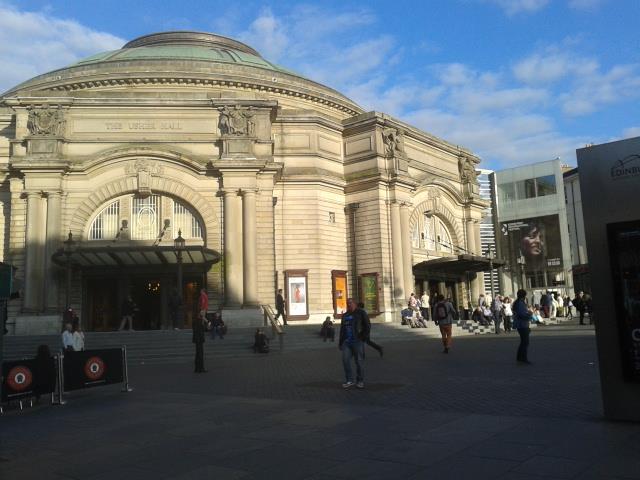
Usher Hall, Edinburgh

Usher Hall, Edinburgh

I was hugely honoured to be asked to review two Edinburgh Festival operas for The Spectator. Hate to sound a bit like a groupie but I’ve dreamed of writing for the Speccie for as long as I’ve wanted to write – and so even if they never ask me again, thanks to Igor Toronyi-Lalic’s willingness to take a punt on me, I’ve now appeared in the column formerly occupied by the great Michael Tanner at least once in my life. A modest personal red-letter day.

Here’s what I wrote. The print edition is out today, and available for the next week.

Lobster, chips and G&S

Tags

, , , , , , , , , , ,

By mid-August, concert life in the UK has narrowed down to two basic locations: the Edinburgh Festival, and the Royal Albert Hall. Having already been to the Proms, I wasn’t planning on going to Edinburgh until ten days ago and out of the blue I received a review commission that…well, let’s just say I couldn’t refuse. Watch this space for more details.

A lot’s changed in Edinburgh since I last went to the Festival in 2004. The new trams, whatever their troubled history, are a huge asset to the city, and very handy indeed when sky-high August hotel prices have driven you out to the wilds of Haymarket. But it’s still just as hard to find somewhere decent to eat when you’ve emerged from a show that finishes at 10.30pm – and at my advanced age, my preferred Edinburgh late-night snack of deep-fried white pudding is no longer an option. Nor too is lobster and chips, at least not every day. Sadly…

Street Food, Edinburgh Festival style.

Street Food, Edinburgh Festival style.

And the place is still as maddening and exhilarating as ever in Festival season. I was delighted to bump into my colleague Anna Picard for the first time in person (rather than on Twitter) and I managed to duck out of the mayhem of the Royal Mile for a couple of hours for an afternoon catch-up and pint with a particularly brilliant conductor friend – bringing the Halle Youth Orchestra to town as part of a summer tour.

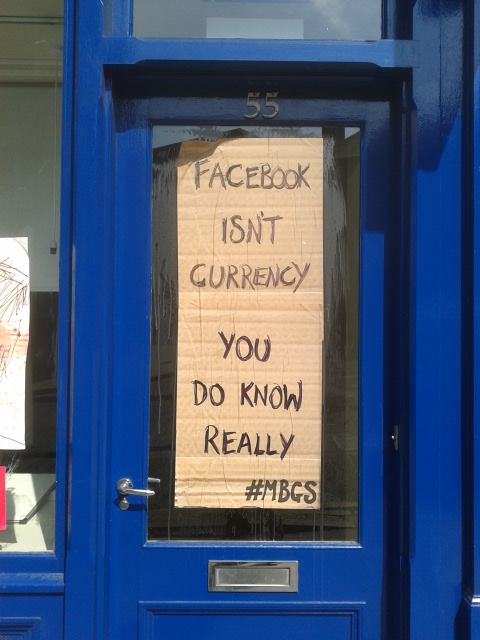
At the Edinburgh Festival, even the graffiti is meta.

At the Edinburgh Festival, even the graffiti is meta.

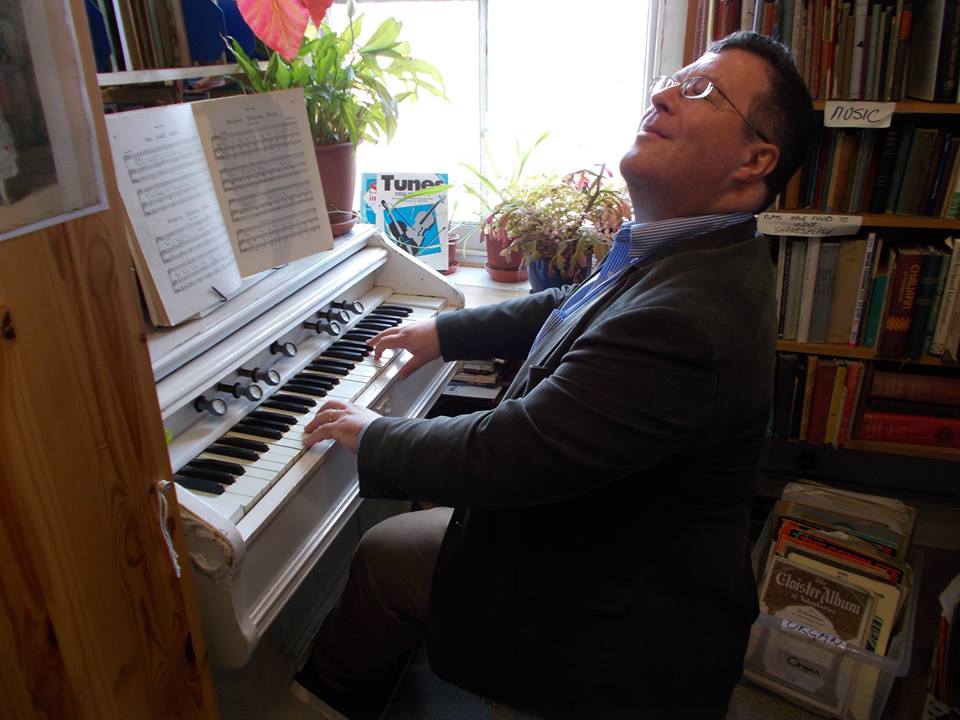
Anyhow – watch this space for my Edinburgh report. Meanwhile, we headed up the road again to beautiful Buxton to raid Scrivener’s bookshop (surely the only second-hand bookshop in the UK equipped with a fully-functioning harmonium) and see HMS Pinafore – it being a basic maxim of mine never to miss a chance to see G&S done professionally. Happily, at The Arts Desk, I have an editor who understands exactly where I’m coming from.

Scrivener's bookshop, Buxton.

I’ve also been writing about Berio’s Folk Songs and Vaughan Williams’ Eighth Symphony for the RLPO, and interviewing Vladimir Jurowski about Mahler for the LPO’s in-house magazine – always an astonishingly insightful and provocative (in the best possible way) interviewee. Oh and my official birthday tribute to my beloved Alexander Glazunov has gone live on The Amati Magazine – a bit of self-indulgence, very generously indulged by my terrific editor Jessica Duchen. Next stop: Rachmaninoff, Martinu and Rebecca Clarke!

Throwback Monday: Happy 150th birthday, Alexander Glazunov!

Tags

, , , ,

1Glazunov
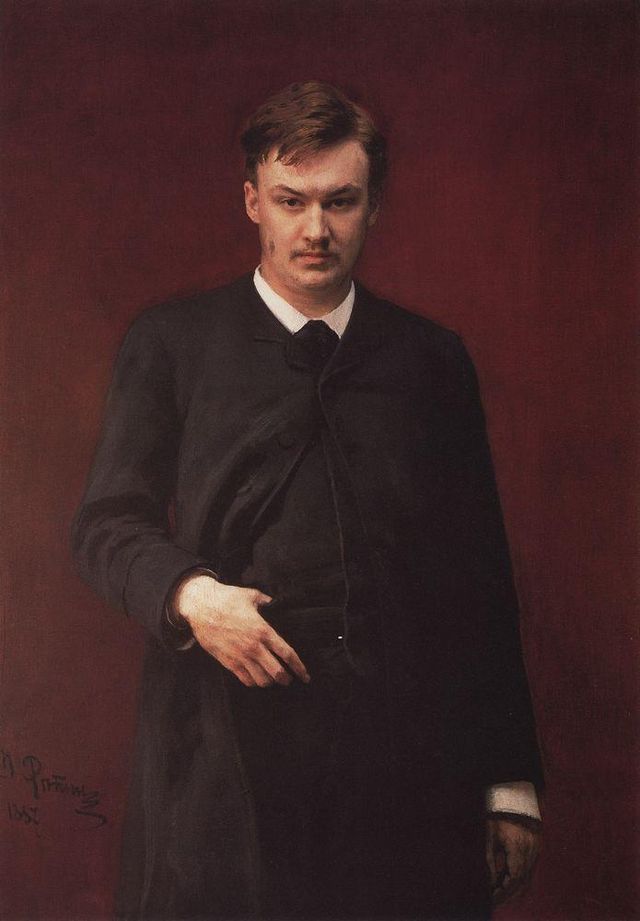
Yes, Alexander “Sasha” Konstantinovich Glazunov, “Russian Mendelssohn”, child prodigy, favourite pupil of Rimsky-Korsakov, cellist, master symphonist (and rather fine composer for string quartet too), admired teacher of Shostakovich, rather less-admired teacher of Stravinsky and Prokofiev (and unsurprisingly – once you know Glazunov’s music, all sorts of Stravinsky and Prokofiev musical mannerisms seem noticeably less original), inventor of the saxophone quartet (well, pretty much) and legendary vodka drinker, is 150 years old today. Noticed all the anniversary programming, the symphony cycles, the themed night at the Proms? No, me neither.

I’m not going to give you the full range of my thoughts and theories about this special favourite composer of mine right now. (If anyone would like to commission a biography, though…) Instead, to mark the occasion, here’s a programme note I wrote for his wonderful String Quintet Op.39 a few years back. With no word limit, I may perhaps have let my enthusiasm to make Glazunov’s case run away with me: ah well, le coeur a ses raisons…

Opportunities to write about Glazunov don’t come round as often as I’d like: just the Violin Concerto and Saxophone Quartet in recent years. So, if anyone needs anything – anything at all – writing about this incredibly likeable and under-valued composer, you know where to find me! (And I’ll do it for a discount).


“He was a charming boy, with beautiful eyes, who played the piano very clumsily. Elementary theory and solfeggio proved unnecessary for him, as he had a superior ear…after a few lessons in harmony I took him directly into counterpoint, to which he applied himself zealously. Thus his work at counterpoint and composition went on simultaneously…His musical development progressed not by the day, but literally by the hour.”

That’s how Nikolai Rimsky-Korsakov recalled the extraordinary musical phenomenon of the teenage Alexander Glazunov. Balakirev, leader of the so-called “Mighty Handful” of Russian nationalist composers, had already dubbed this bright and engaging son of a St Petersburg publisher “our little Glinka”. By the time Rimsky-Korsakov took his musical education in hand, in 1880, this had turned to talk of a “Russian Mozart”. In March 1882, when Glazunov’s First Symphony was premiered under Balakirev, it caused a sensation. “The audience was astonished” writes Rimsky-Korsakov “when, in response to calls for the composer, a 17 year old boy took the stage in his school uniform.” “This is our Samson!” exclaimed the critic Vladimir Stasov.

Received opinion today has it that Glazunov’s career went pretty much downhill from there. Of course, that’s untrue. Glazunov’s style was yet to peak, and when it did, it combined a sweet and expansive melodic gift with a sparkling sense of orchestral colour. His technical skill was breathtaking. The work we know today as Borodin’s Prince Igor overture was actually written down by Glazunov from memory after Borodin’s death – Glazunov having heard it played through by the composer on the piano. His own eight symphonies have been described as “Rachmaninov on a sunny day”, though the 6th and 8th are works of genuine dramatic power, and the 4th and 5th are gloriously colourful – and could have been written by no-one else. But he was at his most inspired in genres that played to his twin strengths of orchestral colour and long-breathed melody. His Violin Concerto (1904) is still a favourite, and his masterpiece – the one-act ballet The Seasons (1899) – is arguably the greatest ballet score by any composer between The Nutcracker and Petrushka.

And that’s part of the problem – music that charmed and delighted “Silver Age” Imperial Russia looked old-fashioned after 1917. Glazunov was by then Director of the St Petersburg Conservatoire, and although he combined impeccably liberal politics with a courageous and dogged determination to protect his students’ creative freedom, he was an easy target for fashionable radicals, even amongst his own pupils.

The young Prokofiev publicly ridiculed Glazunov (though it’s easy to hear Glazunov’s influence on his own orchestration), and Igor Stravinsky consistently belittled his teacher’s music. It’s not hard to work out why – once you’ve heard The Seasons, Petrushka and Le Sacre de Printemps sound a lot less original. Tellingly, the least socially-privileged of Glazunov’s great pupils, Dmitri Shostakovich, told a rather different story: “a figure of epochal public resonance, a historic figure without exaggeration…blessed for his good deeds by every working musician in the country”. But in 1928 Glazunov, lonely and increasingly isolated, left Russia for France, where he died in 1936.

Glazunov’s reputation has still to receive a truly balanced reassessment – Stravinsky’s venom has blinded two generations of western commentators – but there’s a case to be made for his role as the father of modern Russian chamber music. The teenage Glazunov was an accomplished cellist, and his early patron Mitrofan Belaiev (who founded his own publishing house specially to print Glazunov’s music) hosted regular Friday string quartet soirees. From the earliest years, chamber music was central to Glazunov’s creative life.

Other Russian composers had written quartets and Borodin’s quartet style – lucid, lyrical, and sprinkled with colourful instrumental devices like double stopping, pizzicato and harmonics – was an unmistakable influence on the young Glazunov. But Glazunov was the first Russian composer to write an extended cycle of string quartets, seven in all between 1880 (his Op.1) and 1930, as well as numerous superbly crafted miniatures for string quartet, a brass quartet and a pioneering saxophone quartet (1932). And he wrote as an “insider”, like Haydn, Mendelssohn, and Frank Bridge, with a performer’s instinct for effective and playable string writing. His chamber music may be neglected – but, once you’ve heard it, you can’t miss its influence throughout the quartets of Miaskovsky, Prokofiev (whether he liked it or not) and, supremely, Shostakovich.

His only String Quintet may be the most perfect chamber work he wrote. Dating from 1892, and written for the influential Imperial Russian Music Society in St Petersburg, it’s scored for the same combination as Schubert’s String Quintet – two cellos rather than Mozart’s two violas. To a composer as given to lushness and lyricism as Glazunov, that seems to have been like an open invitation.

Every aspect of Glazunov’s mature style finds expression in this sunlit work. It’s all there: in the first movement, his gift for rhapsodic melody (the opening viola theme) and expansive optimism (the soaring second group). His “musical box” ballet style, in the deliciously scored pizzicato scherzo (possibly a homage to Tchaikovsky’s Fourth Symphony – or any number of Russian nationalist balalaika-imitations from Glinka onwards). His poignant and unfailingly poetic Slav melancholy – turning to real emotion as the Andante sostenuto builds towards its impassioned climax. And his consummate ability to entertain and delight – in a finale that pays its respects to his Russian nationalist roots (that folk-dance first theme), his Conservatoire training (plenty of bustling mock-fugal stage-business) and the great Russian tradition of the big romantic tune, before speeding to an exuberant finish. The Belaiev circle weren’t really the types to dash vodka glasses in the fireplace – but Glazunov’s closing bars certainly suggest a few shot-glasses being cheerfully clinked in friendship.

Thought for the Day

Tags

, , ,

Arnold Bax on “the London concertgoer”: as relayed by the great Dr Erik Chisholm. We’ve all been there.

No longer a churchgoer, he salves his conscience by going instead to Bach, and seeks to do his duty by his God in undergoing four Brandenburg concertos in succession without an anaesthetic. And when the final pedal-point mercifully arrives, he experiences the same smug self-complacency and sense of thankful deliverance his father felt when the Scottish divine pronounced.

And relax…

Tags

, , , , , , ,

Wagner, Verdi and Mozart at Longborough.

Wagner, Verdi and Mozart at Longborough.

Well, not exactly; I’m working on a range of projects this month including programme notes for the Wigmore Hall, a feature on Mahler for the LPO, new orchestral biographies for the CBSO, and laying plans for an exciting new project for Amati Magazine (watch this space).

But things do generally get quieter on the concert scene in August, unless you’re in London or Edinburgh, and after a frantically busy 10 days, my last two long-range review missions will be my last for a couple of weeks, at any rate.

Longborough: dinner is served.

Longborough: dinner is served.

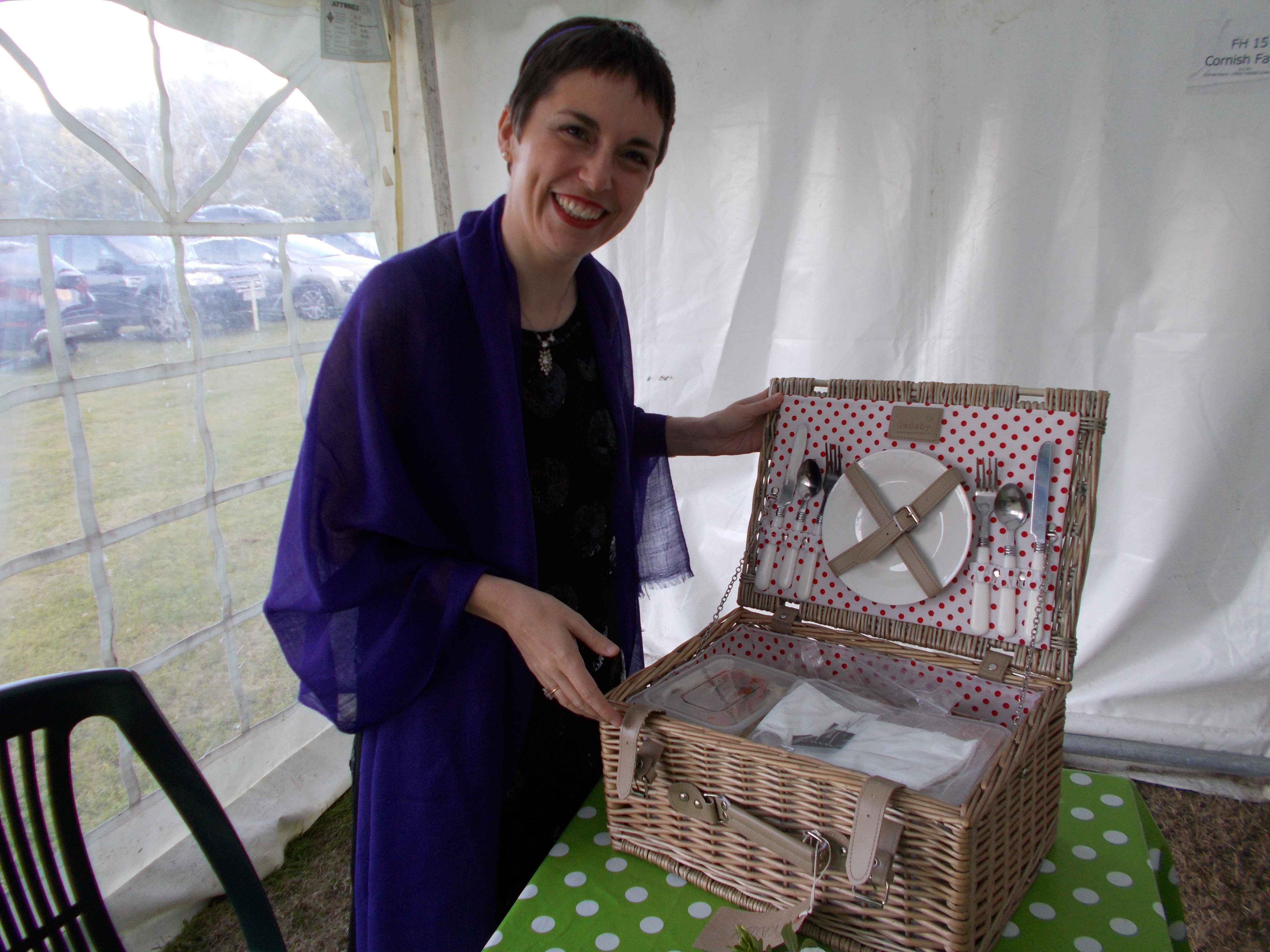
First was Longborough’s final show of the season: Handel’s Xerxes. It takes a lot to make me enjoy a Handel opera but this was…well, read my Birmingham Post review and see for yourself. Taken as a whole, I think it may even have been the most completely successful Longborough production (on all fronts) of the three I’ve seen this year. Longborough is like a little corner of operatic Eden: I’m going to miss that place (and not just for the people-watching and the picnics!)

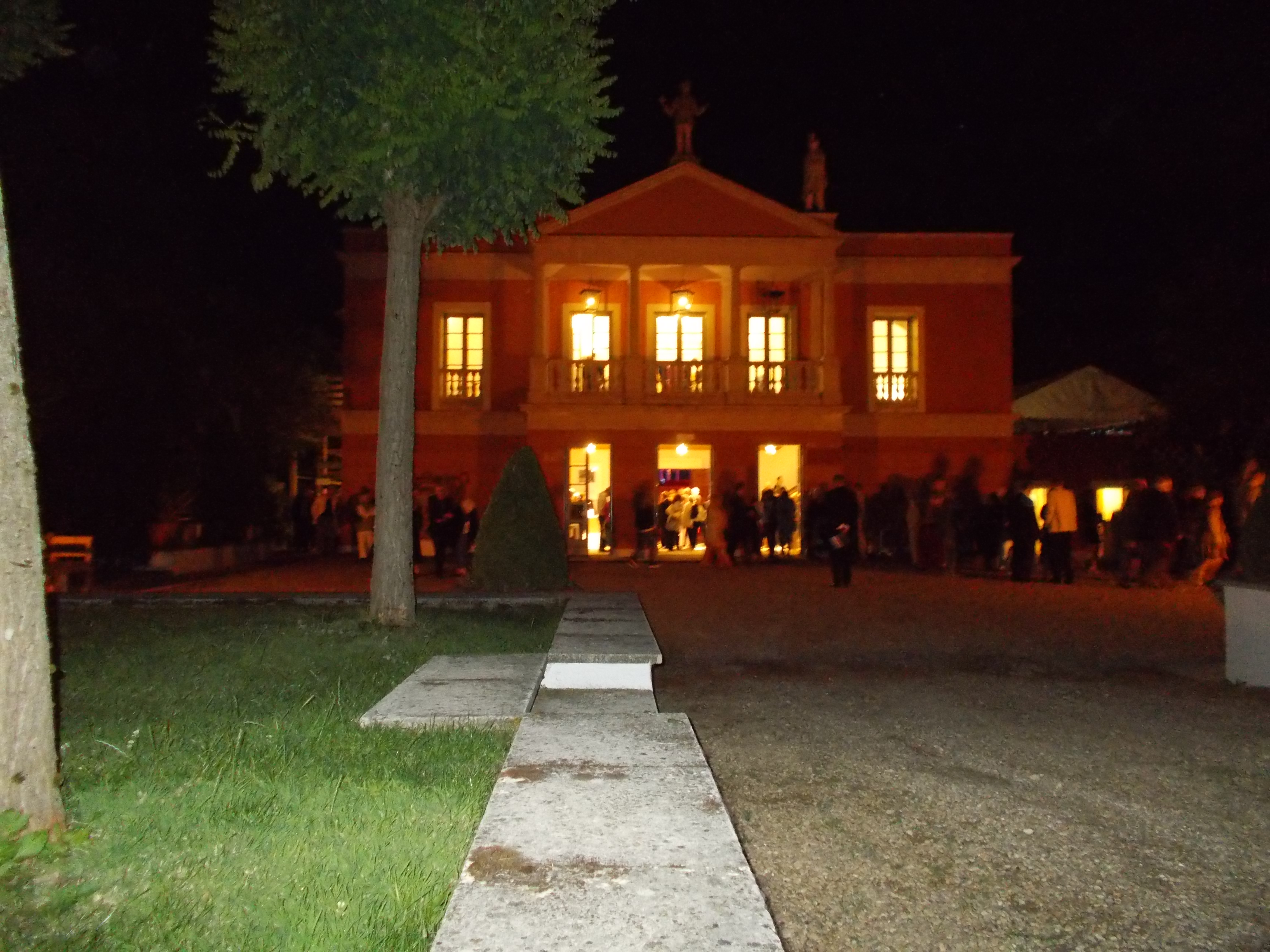
Longborough - last night of the season.

Longborough – last night of the season.

And then on Monday, to Hereford, for the 300th Three Choirs Festival and a performance of Arthur Bliss’s choral symphony / war requiem Morning Heroes. A rarity like this makes a 180 mile round trip worth while; especially when the work is itself so noble, and the performance so committed. My review for The Arts Desk is here.

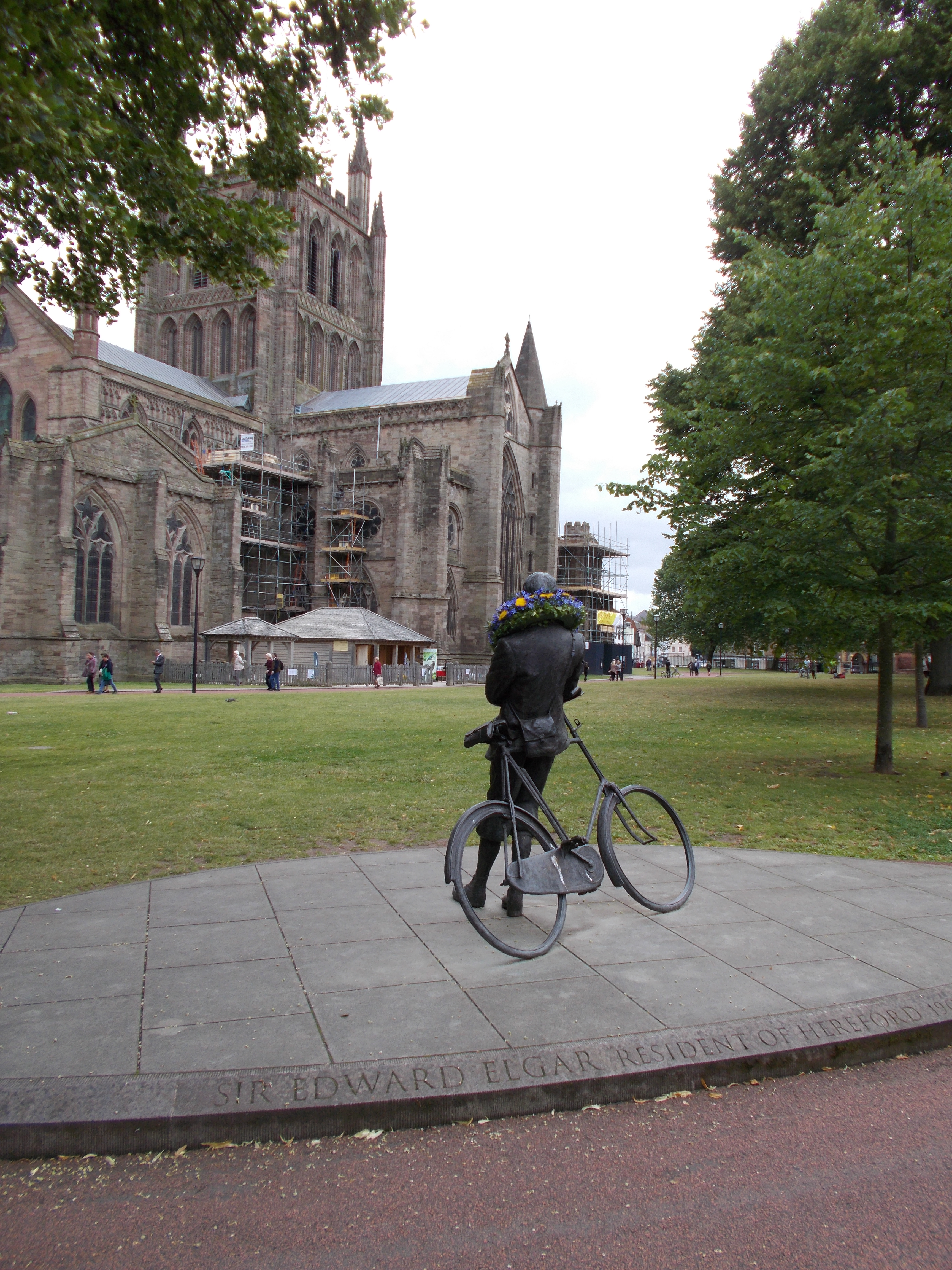
Elgar in Hereford.

Elgar in Hereford.

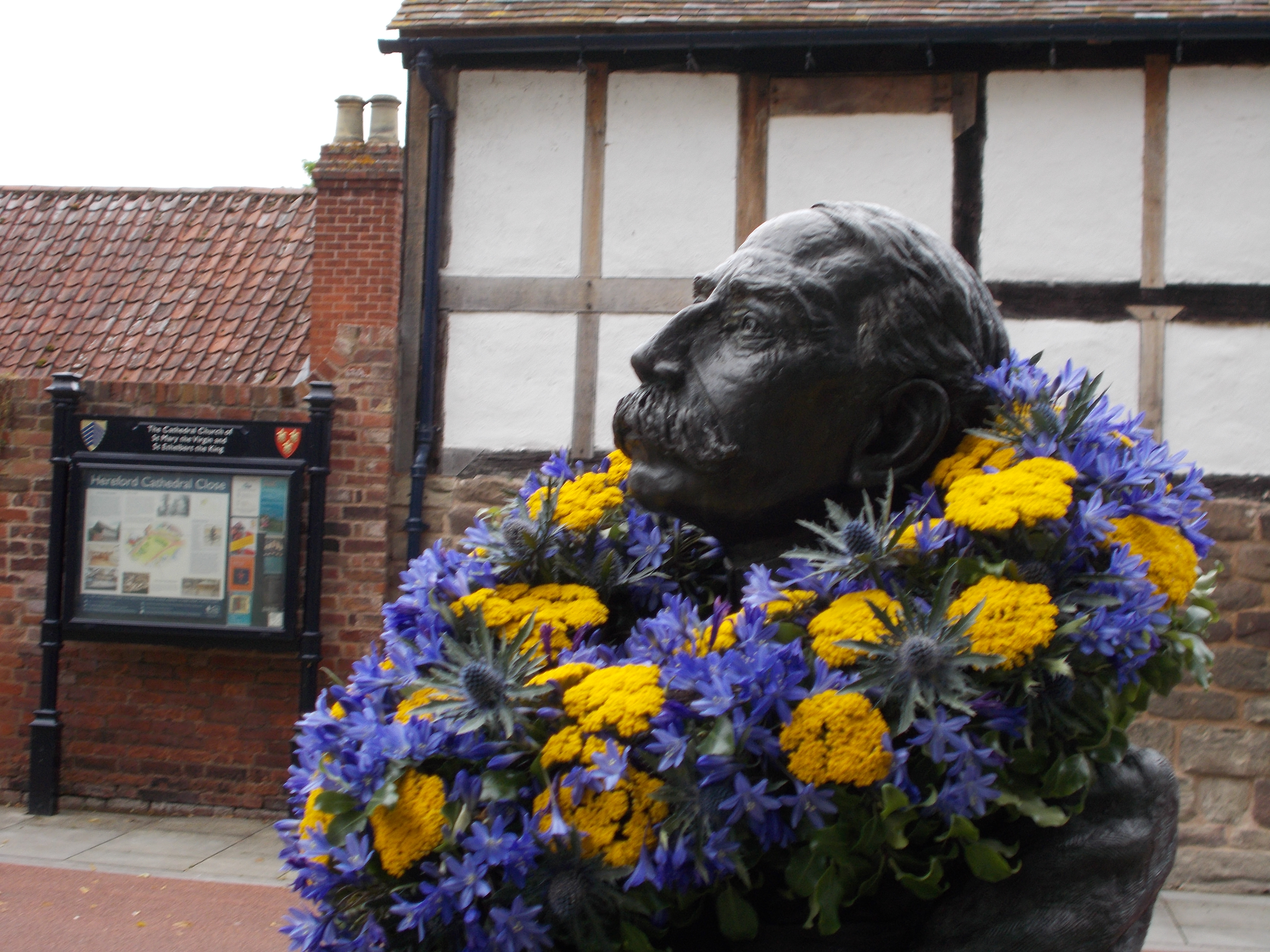
Out in the Cathedral close, Sir Edward Elgar had been suitably garlanded for the Festival week – he looked rather overwhelmed by the sudden attention, I thought.

003

It was good to catch up briefly with colleagues Chris Morley  and Clare Stevens (the Festival’s phenomenal one-woman Press & PR team) at the Cathedral. But these long-range reviews can be lonely affairs, so I’d taken Bliss’s memoirs As I Remember along with me for the trip. And as well as giving me an extra level of insight into the strange, dignified but deeply emotional neglected masterpiece that is Morning Heroes itself, this meant that I had the company of Sir Arthur himself over lunch in Ludlow and my late-night pizza in Hereford before the drive north. Did you know he’d received fan-mail from Webern, was a friend of James Joyce, bashed through the sketches of the Symphony in 3 Movements with Stravinsky, and played tennis with Schoenberg? Well, now you do.