Review: Binchois Consort at the Barber Institute

Tags

, , , ,

The Birmingham Post isn’t always able to post online everything that I’ve written for its print edition, so – after a suitable time lag (you should really go out and buy the paper!) – I’ll be posting my recent reviews here. As per the print edition, they’re all fairly concise – just 250 words. This is of a performance at the Barber Institute on 28th October 2015.


This day is call’d the feast of Crispian – well, give or take three days, anyway. This Agincourt anniversary celebration was exactly the sort of thing a university concert series should be doing: an evening of vocal music from the reigns of Henry V and VI, painstakingly researched and sung with commitment. With the music grouped to represent different aspects of 15th century court life, Andrew Kirkman gave knowledgeable and enthusiastic spoken introductions to each section. The printed programme was a model of scholarship and presentation: this concert was clearly a labour of love.

What we heard was almost exclusively sacred, almost exclusively in two parts, and almost entirely scored for six or fewer tenors and counter-tenors. The Binchois Consort excels in this repertoire; the singers’ individual tones make a satisfying contrast with each other rather than blending into a homogenised whole. In music such as the anonymous Chant for St John Of Bridlington, that brought much-needed colour to the monody; in more complex items – a Gloria supposedly written by Henry V himself; and the spirited Sub Arturo plebs – it made the most of the tiny flourishes and harmonic clashes that give this music such expressive power as it possesses.

By any standards, this was a challenging evening – and towards the end, the Consort appeared at one point to break down. The arrival of the Birmingham University Singers for a rousing Agincourt Carol brought the first sound all night of basses or female voices, and by this stage it was a welcome contrast. Kirkman and his singers are obviously devoted to this music, but despite moments of piercing beauty, I left the Barber with an overwhelming urge to find a piano and bash out a perfect cadence – just to reassure myself that such a thing still existed.
Throwback Thursday: Five Questions for Julian Lloyd Webber

Tags

, , ,

JLW_BM

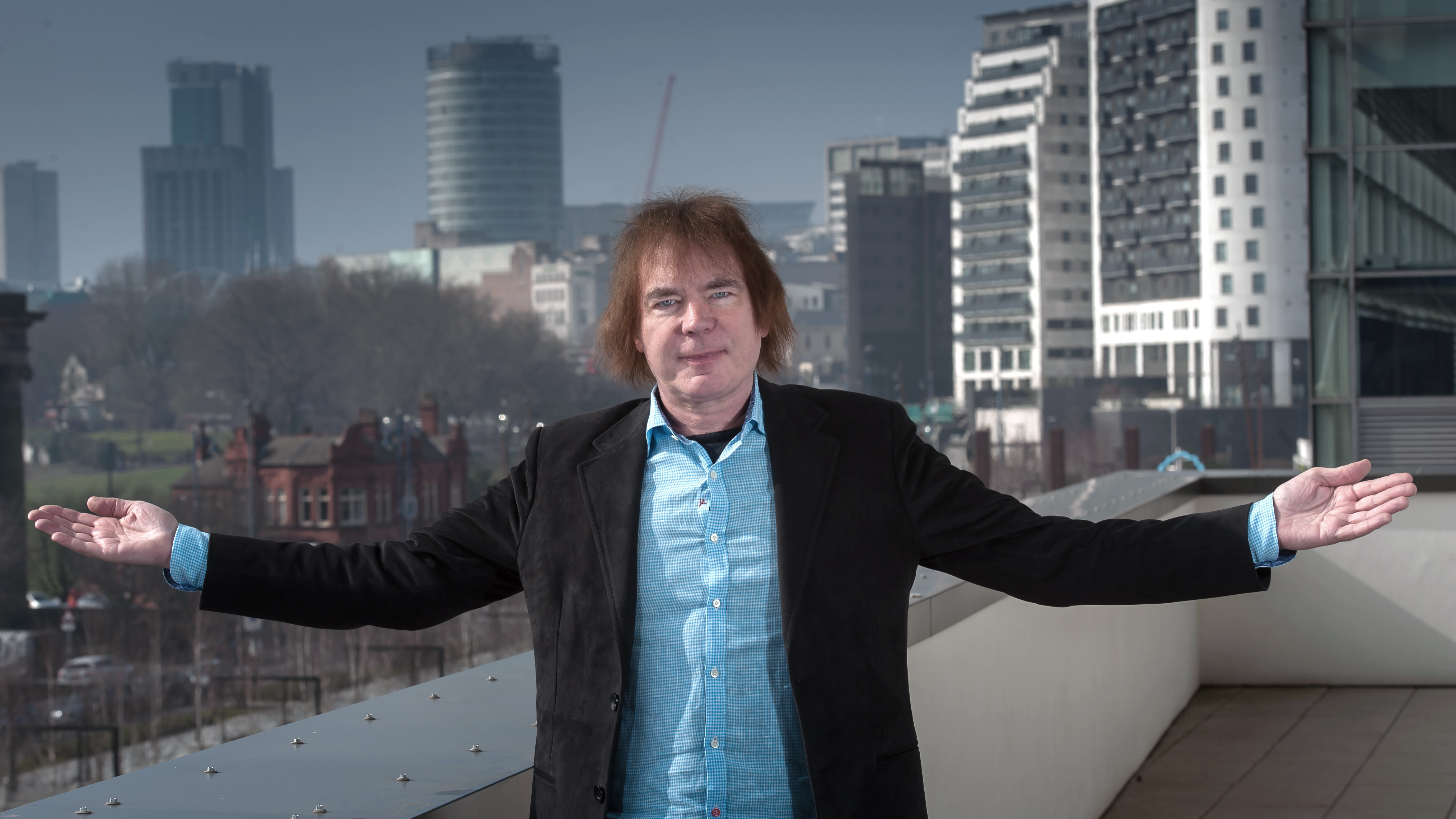
As a cellist of sorts myself (and I read Travels With My Cello over and over again when I was at school) I’m looking forward to interviewing Julian Lloyd Webber next week for my ongoing Amati Magazine series on British music colleges. He’s now principal of Birmingham Conservatoire, but when I interviewed him for a short Metro article in July 2008 for Metro he was touring small venues around the UK with one of his wonderfully entertaining programmes of neglected miniatures and anecdotes – one of the things we’ve really missed since he’s had to stop playing. But he’s already re-energised the Conservatoire and I can’t wait to hear what he has in store next.


Cellist Julian Lloyd Webber has just been appointed to lead the British pilot of El Sistema – the revolutionary Venezuelan music education programme. He’s also playing a recital at Alnwick Playhouse tonight.

What’s the idea behind this concert?

This is a new venture for me. I’ve been doing quite a few concerts in more intimate venues, like the Alnwick Playhouse, and we’ve come up with a programme that’s more involving and personal. I play a bit, read from my book Travels With My Cello and later on there’s a Q&A with the audience.

Are you unearthing any more rare repertoire?

It’s quite a mixture. Not so much in this recital, but I’ve been doing quite a bit of new music lately. I’ve just been playing a new piece by Howard Goodall, and I’ll be premiering a work by Patrick Hawes next month. I’m always keen to expand the cello repertoire, whether by rediscovering older repertoire or playing new music.

Why are you so outspoken, when so many musicians just turn up and play the notes?

I think classical music gets a bad deal in the media. It’s overlooked in comparison to other forms of music. If classical musicians don’t stand up for what we love and believe in, we can’t expect anyone else to do it for us!

Why does Britain need El Sistema?

When you see all the knife crime and drug problems, it makes perfect sense. People think Britain is too wealthy to need a Venezuelan initiative, but I don’t agree. El Sistema is about using the symphony orchestra as a catalyst for social change – and reaching children who would never get to learn an instrument, in the normal run of things. It’s very timely.

Have you had to play your cello at any airports lately?

Actually, yes – I was waiting for an internal flight in Turkey last week and was a bit short of practice time, so I got the cello out right there in the lounge and had a bit of a brush-up. People looked at me as if I was some sort of lunatic.

Review: CBSO, Daniele Rustioni, Vadim Gluzman

Tags

, , , , , , , ,

The Birmingham Post isn’t always able to post online everything that I’ve written for its print edition, so – after a suitable time lag (you should really go out and buy the paper!) – I’ll be posting my recent reviews here. As per the print edition, they’re all fairly concise – just 250 words. This is of a performance by the CBSO on 29th October 2015.


Daniele-Rustioni-by-Cophano-HP-AMC

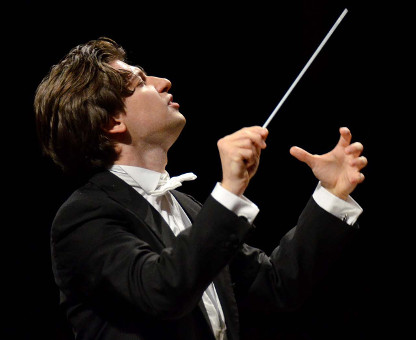
Daniele Rustioni is nothing if not watchable. Small and dapper with a mop of floppy hair, he darts, he gesticulates, he bounces clear into the air. And in this CBSO concert he rocketed straight out of the blocks with a suave, streamlined account of Dvorak’s Carnival overture that left a midweek matinee crowd yelling with excitement.

It was easy to hear the strengths of this 32-year old Italian, whose spirited, idiomatic conducting was probably the best thing about WNO’s 2013 Donizetti Tudor trilogy. Rustioni can shape a phrase and make it sing (who mentioned bel canto?): he way he accompanied Kyle Horch’s creamy sax solo in Ravel’s orchestration of Mussorgsky’s Pictures at an Exhibition was almost sensuous. He takes a tactile pleasure in orchestral colours, bringing out the succulence of a pizzicato chord, and subtly pointing up a quiet bottom note from the bass clarinet.

His weaknesses – well, wasn’t it Richard Strauss who advised young conductors never to look at the brass: it only encourages them? And there was the strange, frustrating business of a Brahms Violin Concerto that never quite sounded at ease: fidgety, foursquare and punctuated by noisy blasts. Soloist Vadim Gluzman’s wiry tone and workmanlike delivery probably didn’t help, though it was noticeable that even in the Dvorak, Rustioni was cheerfully summoning up the kind of fortissimos that Sakari Oramo used to save for the end of Mahler symphonies.

But it was hard not to thrill to the jangling, tingling conclusion of Rustioni’s Pictures at an Exhibition, or to enjoy the full-fat low string sound of Samuel Goldenberg and Schmuyle, and the way Rustioni made Gnomus dance. To experience this kind of freshness and verve in such a familiar warhorse is reason enough to hope that we see Rustioni at Symphony Hall again.

English Touring Opera in Malvern

Tags

, , , ,

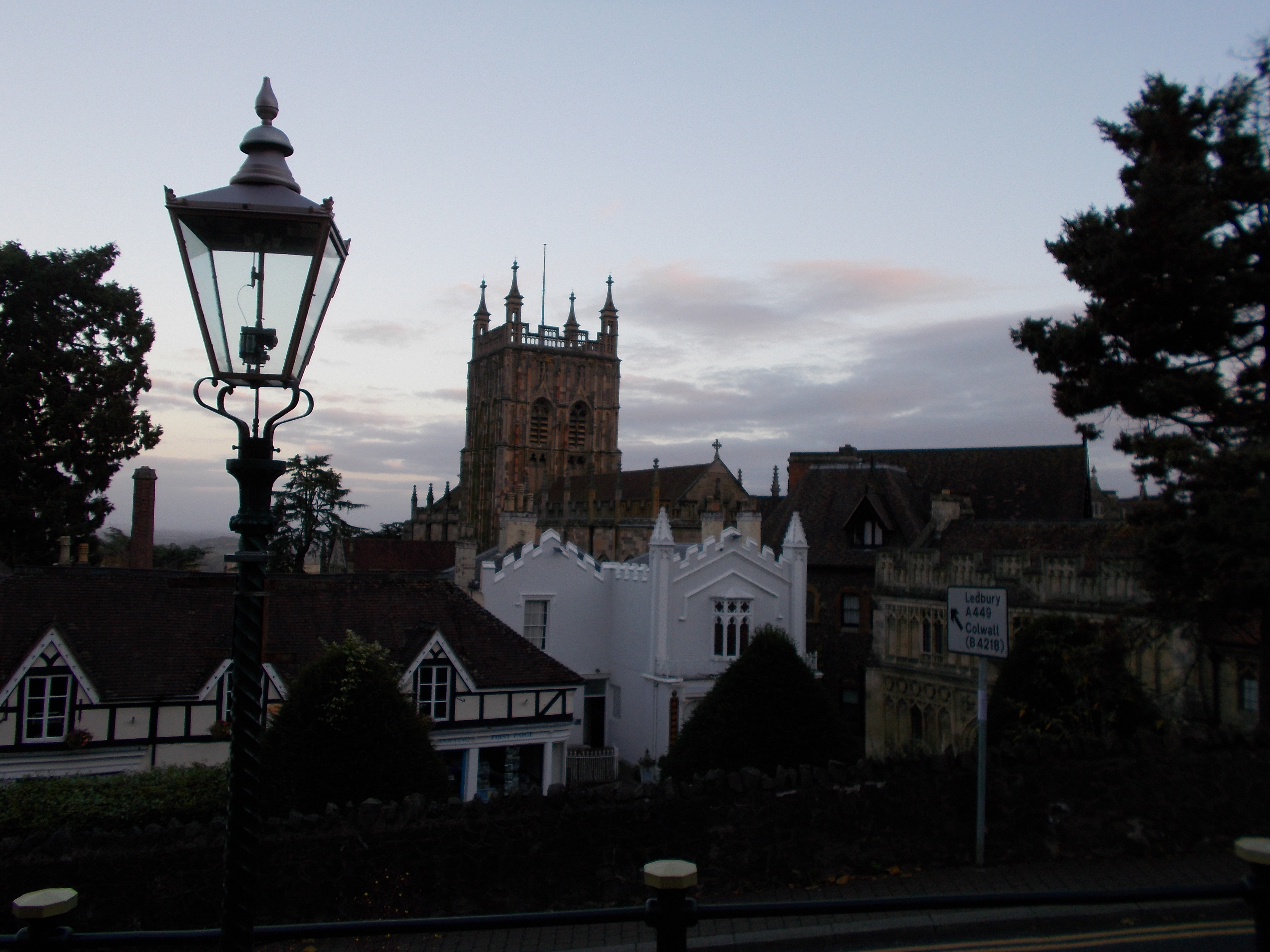
I made three trips to Malvern on successive days last week, to cover English Touring Opera’s delicious all-French autumn programme in its entirety. I’m glad I did, mostly because their new production of The Tales of Hoffmann (I’m a massive sucker for operetta composers going “straight”) was an absolute zinger. My review of The Tales of Hoffmann and Massenet’s Werther is here, and of Pelleas et Melisande, here.

011

014

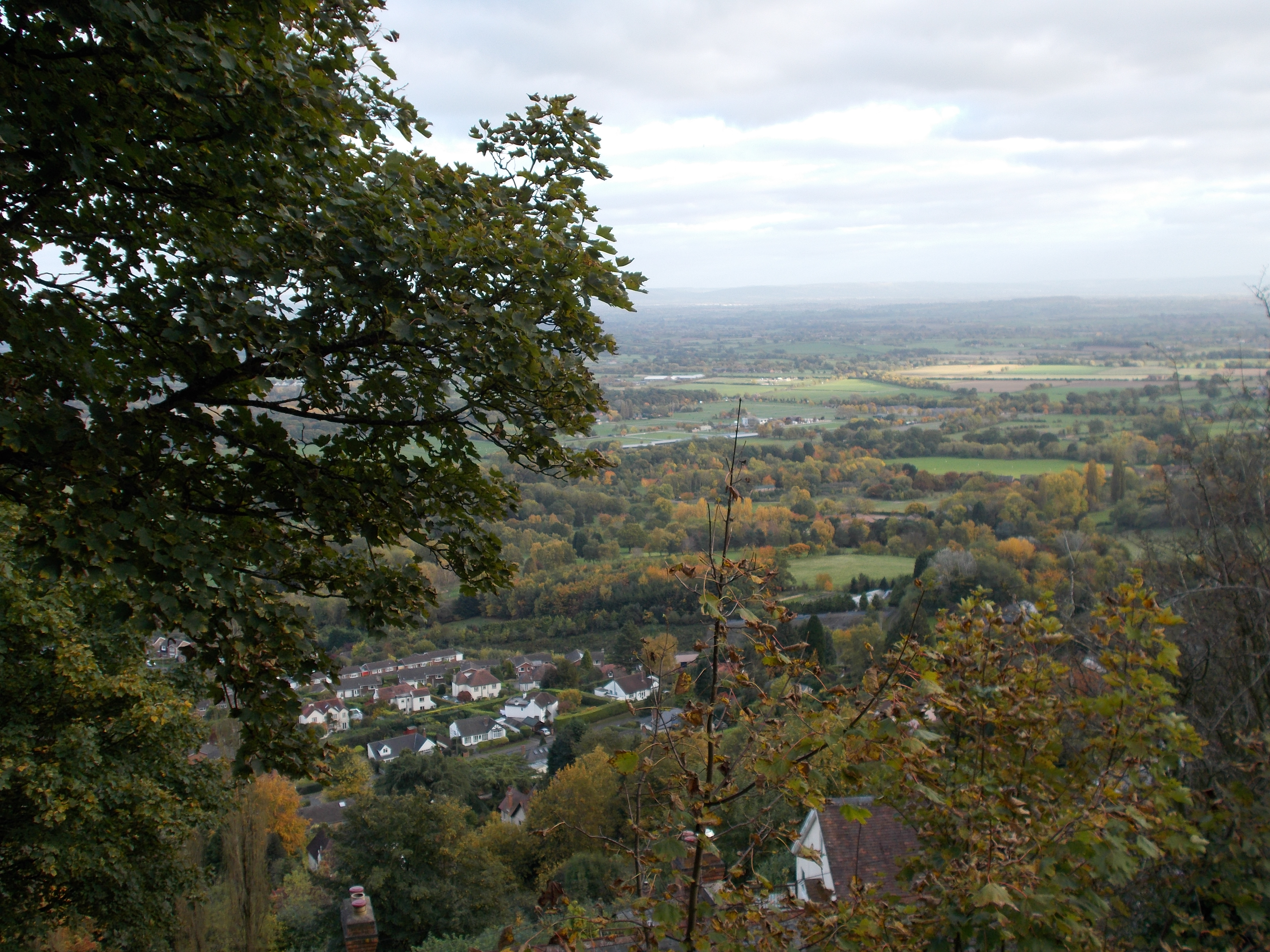
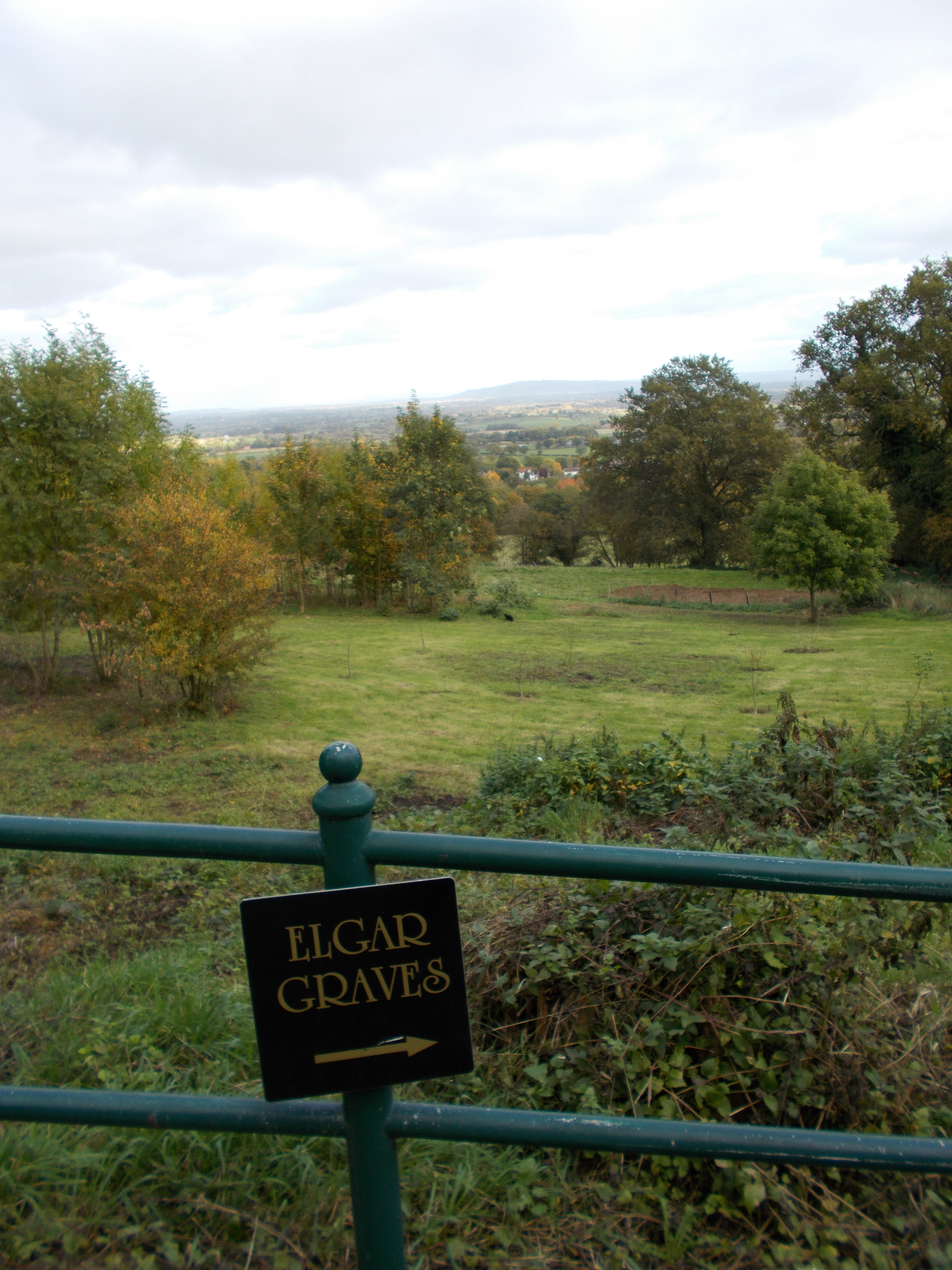
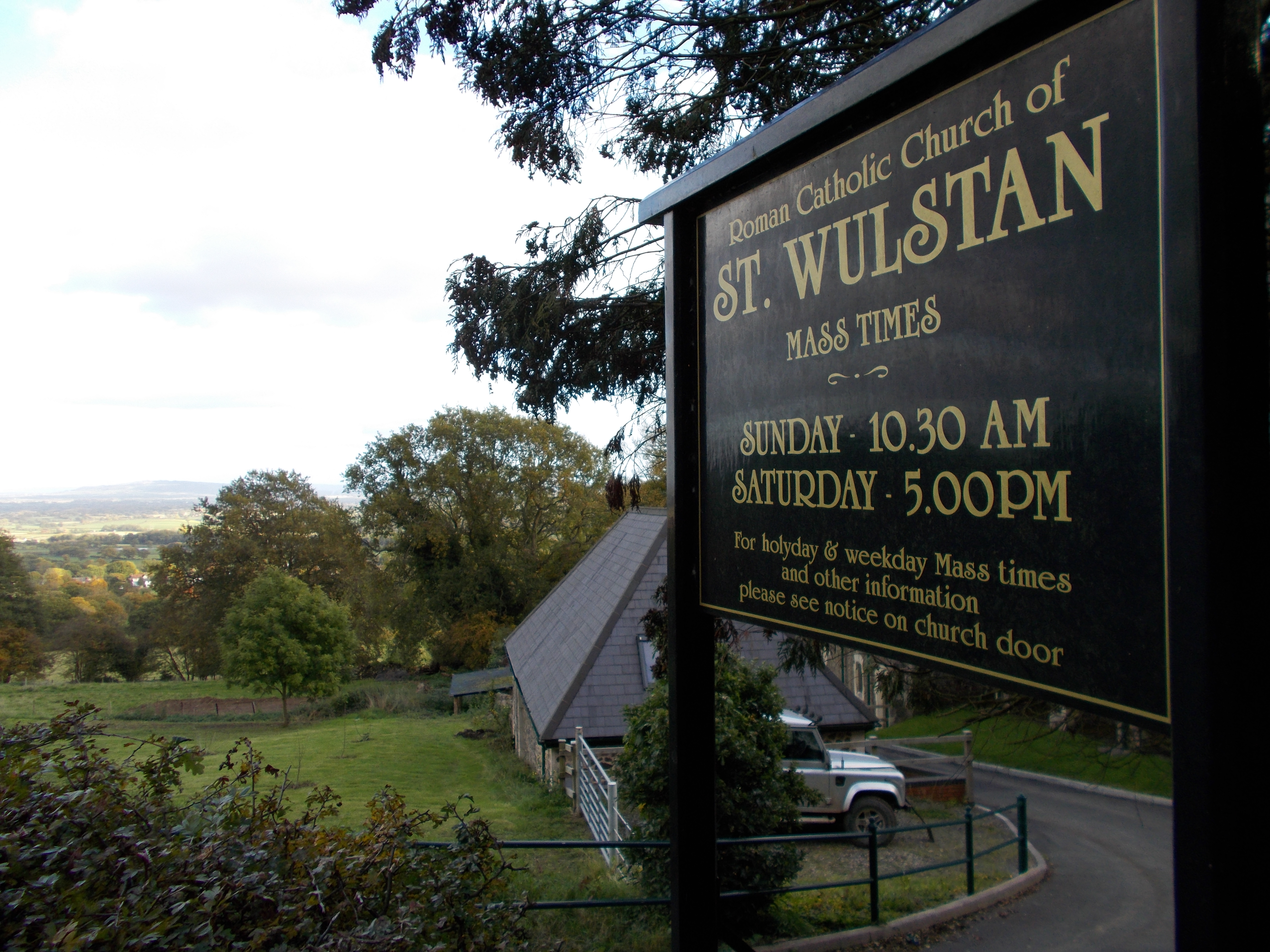
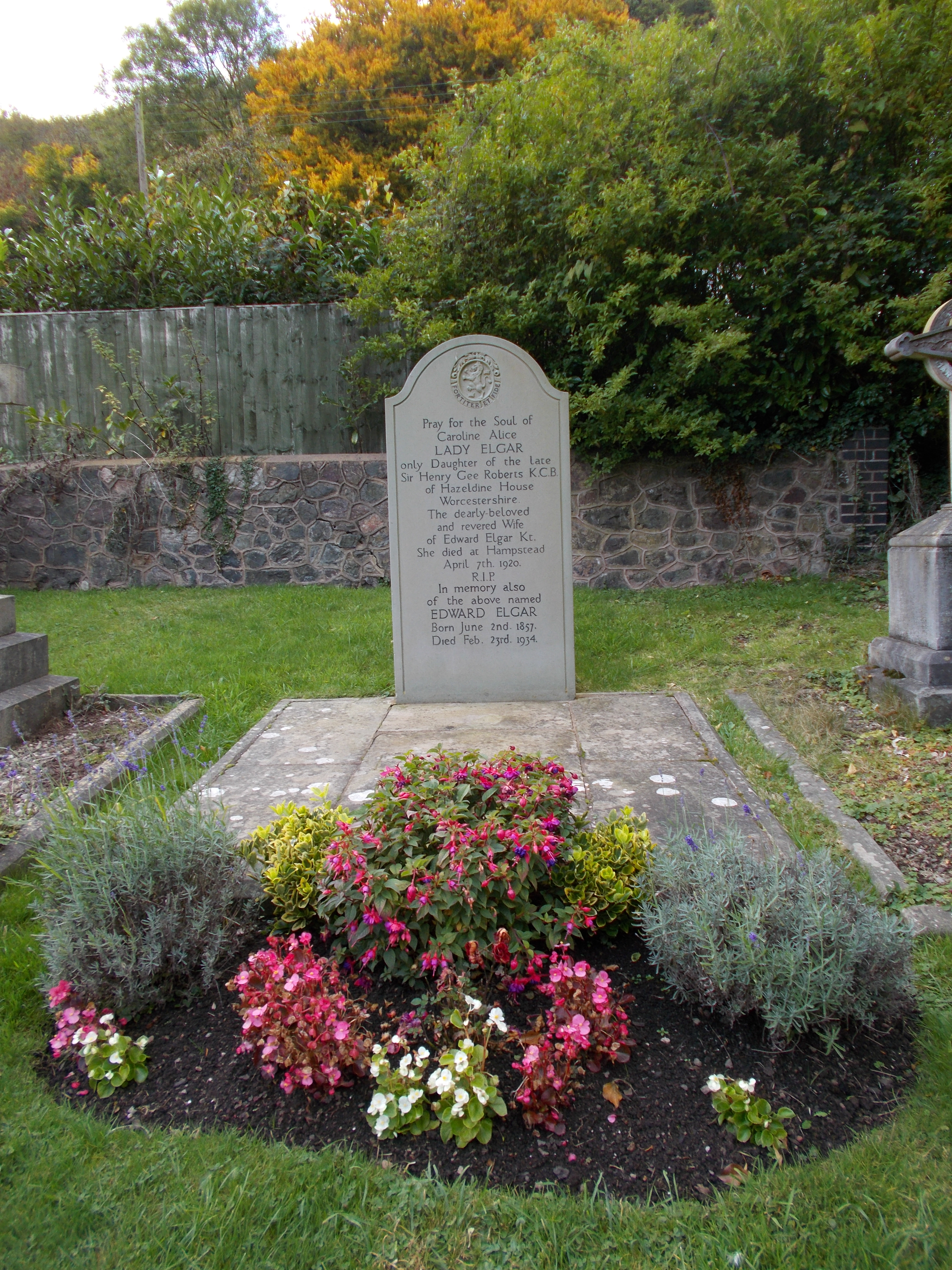
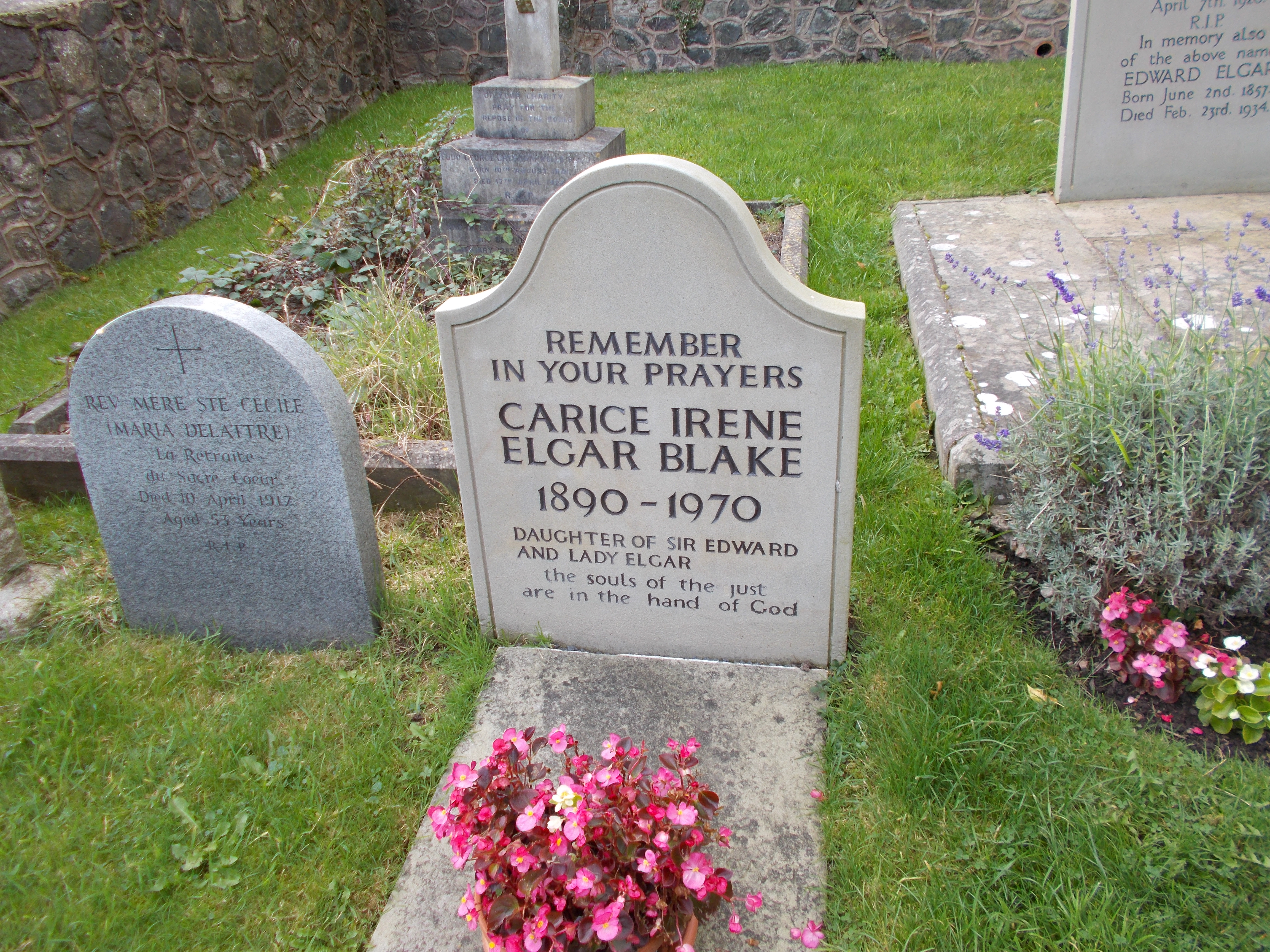
But also because as the afternoon sun vanished over Herefordshire it lit up the Malvern Hills like a beacon, and I was able to make a very long-planned trip to the grave of Sir Edward Elgar, his wife Alice and his daughter Carice. It’s clear that there’s a fairly regular stream of visitors, which, in a small way, is a happy thought. He’s where he wanted to be – and people still care.

008 001002 004

Far away, long ago.

Tags

, ,

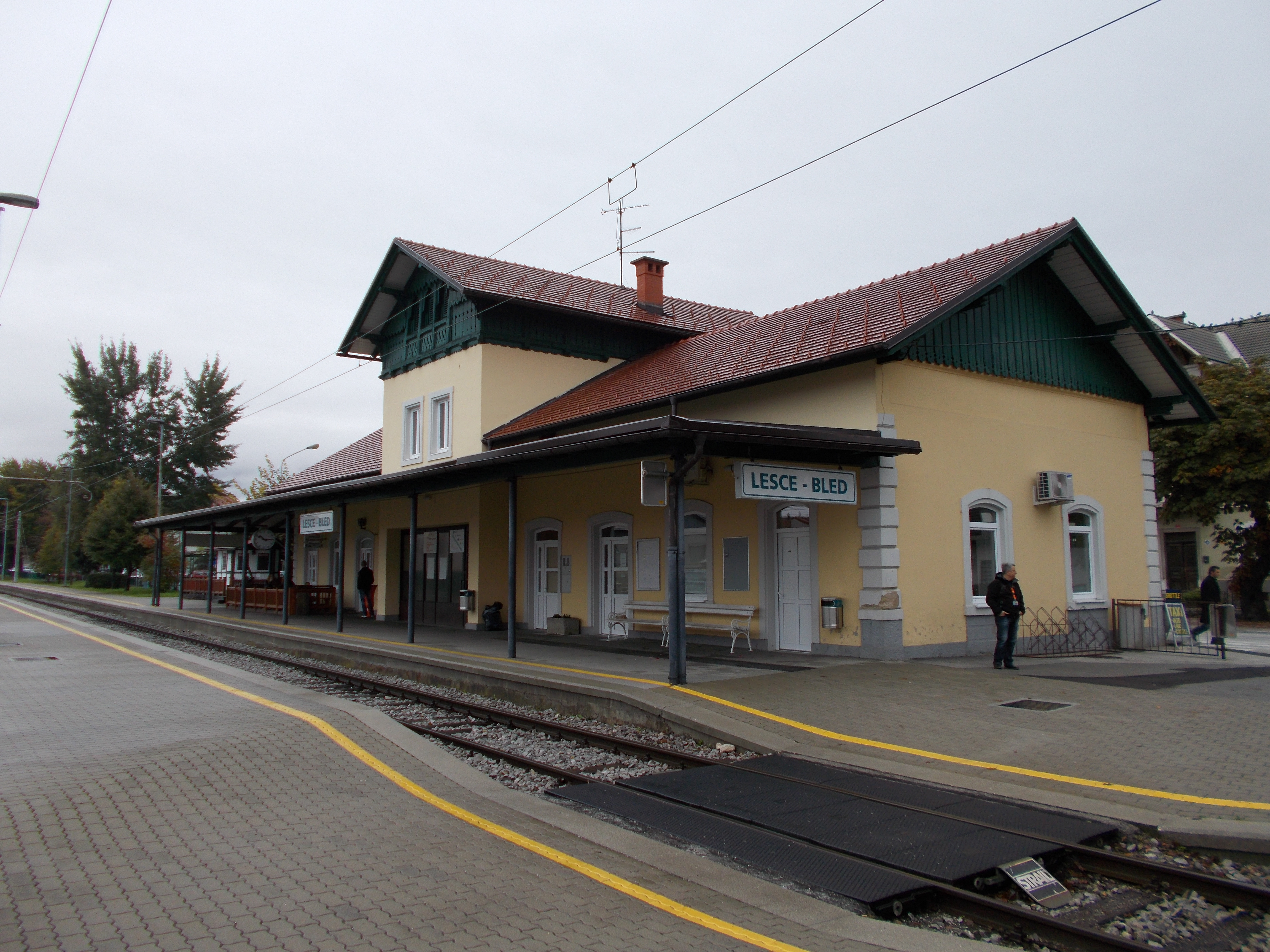
“The station was tiny, just like the station in Sipolje, which I had dutifully committed to memory. All the stations in the old Dual Monarchy resembled each other, all the little stations in the little provincial towns. Yellow and tiny, they were like lazy cats that in winter lay in the snow, in summer in the sun, sheltering under the crystal glass roofs over the platform, and guarded by the emblem of the black double eagle on yellow ground…”

218

I’m gradually coming to realise that when I take holidays, I’m trying to travel to a different time, as much as a different place.

Anyway, I’m back now. Three operas to review this week, and I’m looking forward to them all.

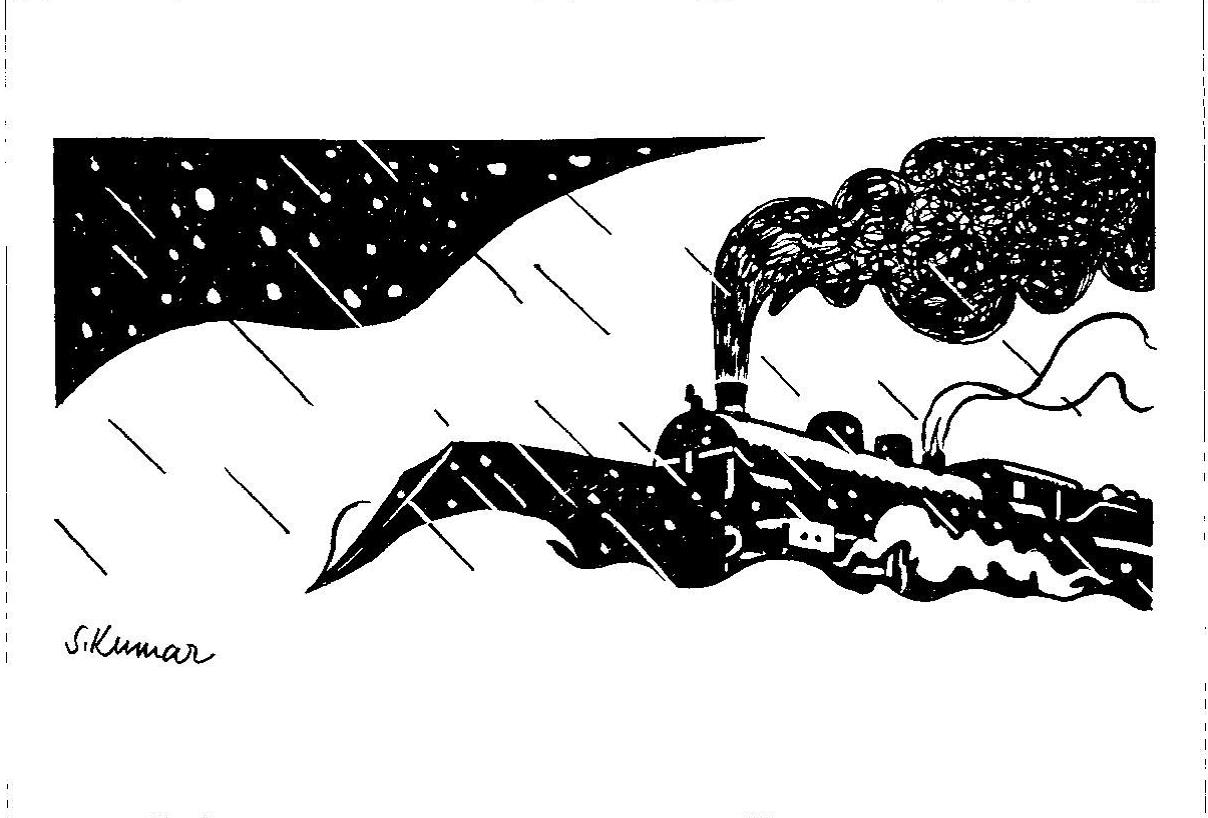
Stane Kumar: Snow on the Karst

Stane Kumar: Snow on the Karst

Attend the tale of Sweeney Todd…

Tags

, , , ,

033

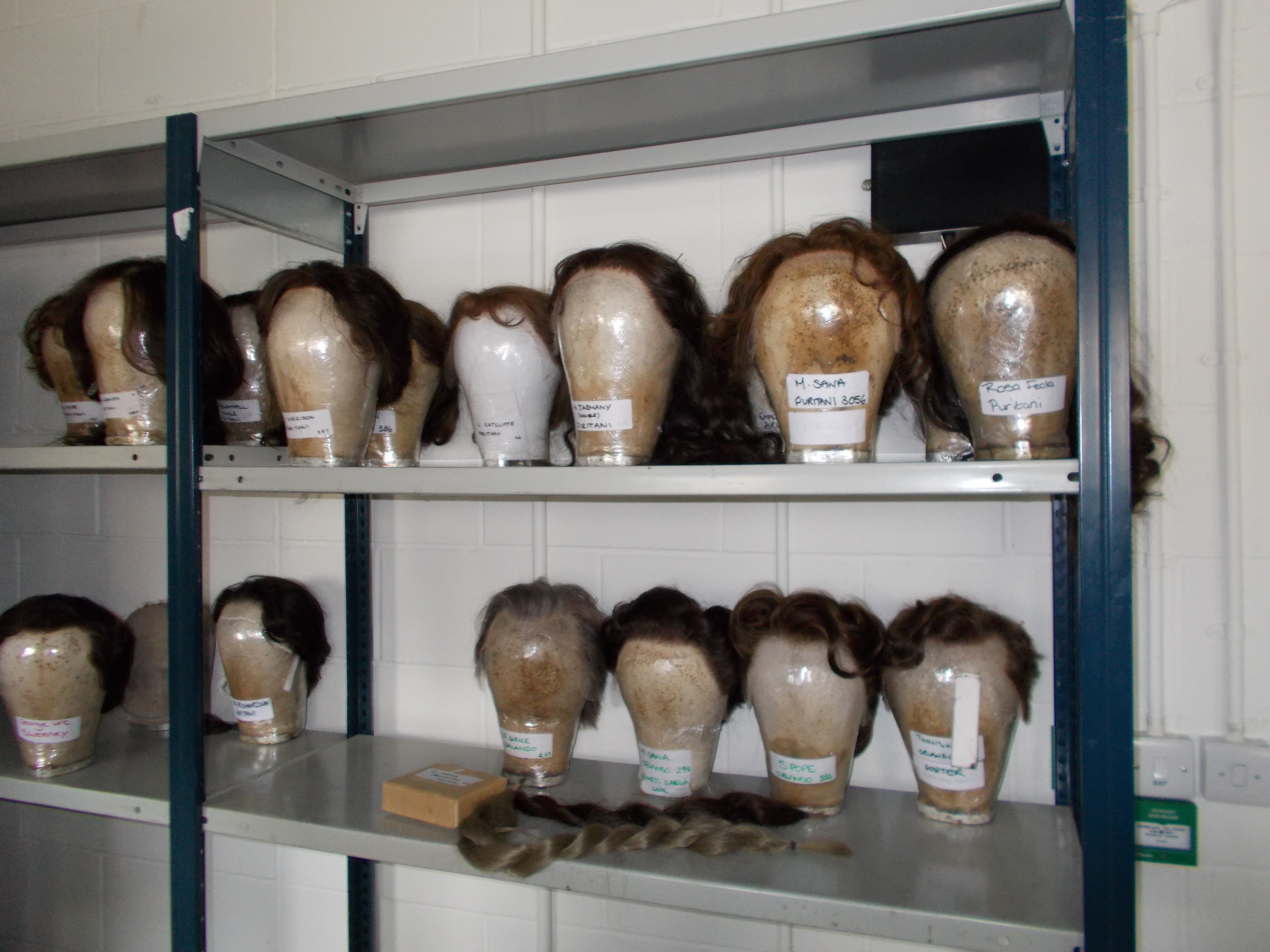
Can’t let today pass without sending a huge TOI TOI TOI to everyone at Welsh National Opera for their new production of Stephen Sondheim’s Sweeney Todd, prior to its opening at the Wales Millennium Centre in Cardiff tonight. They were kind enough to show a small party of press around backstage prior to the dress rehearsal on Tuesday; for the first time in years, I was able to make it and see all the backstage features they’ve long been talking about – the wig room:

012

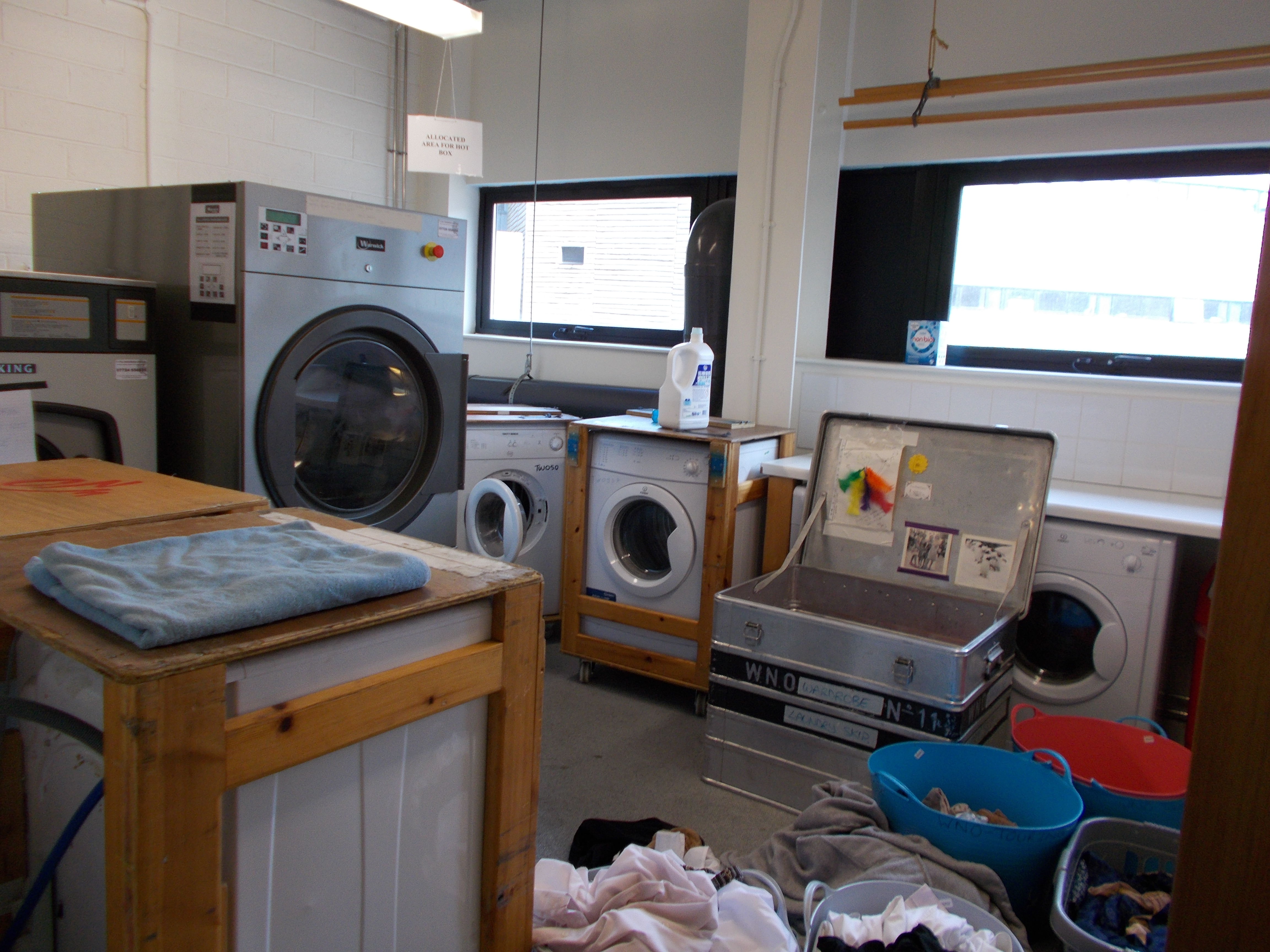
the in-house laundry (lots of blood to get out of all those costumes):

015

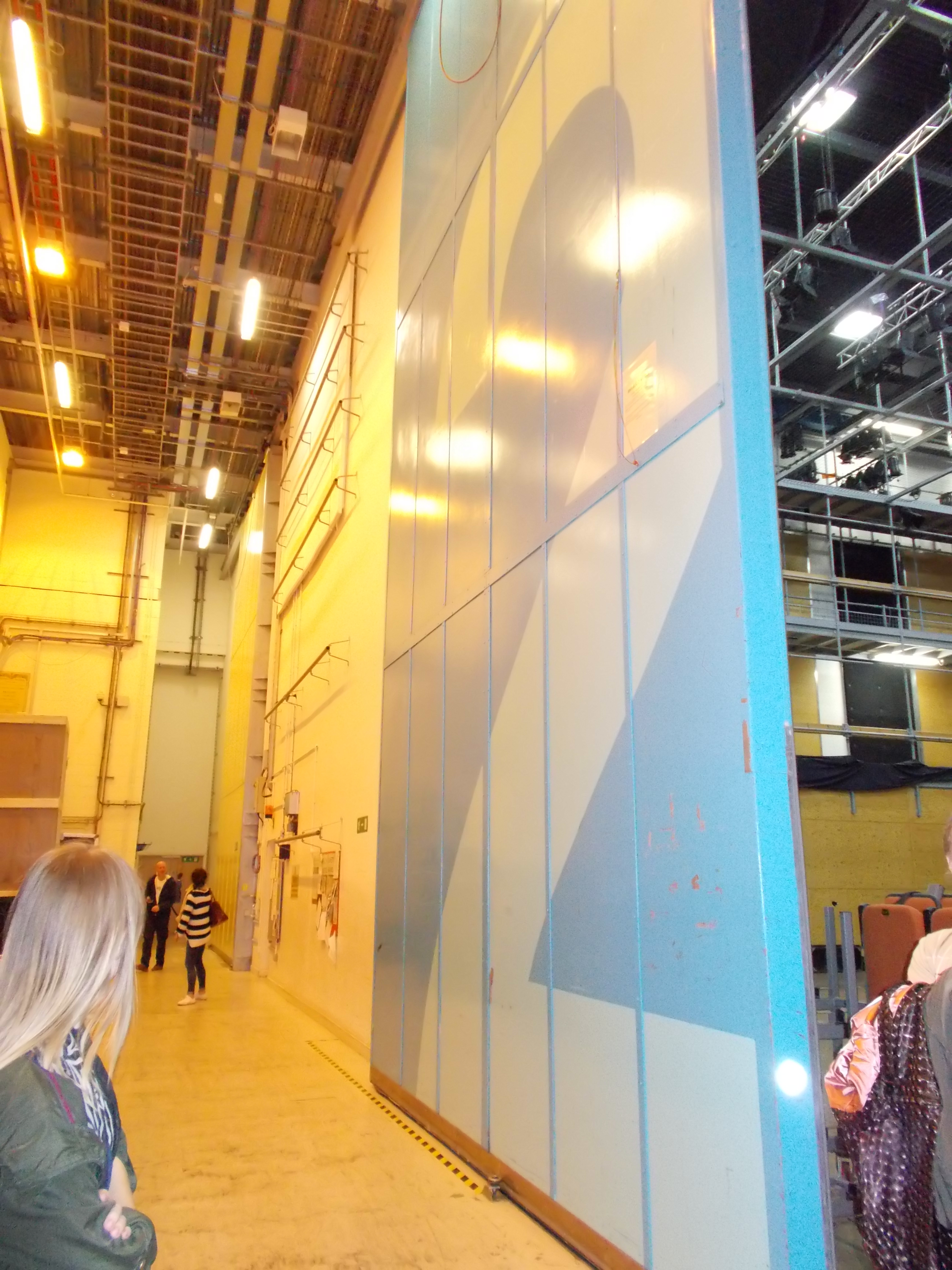
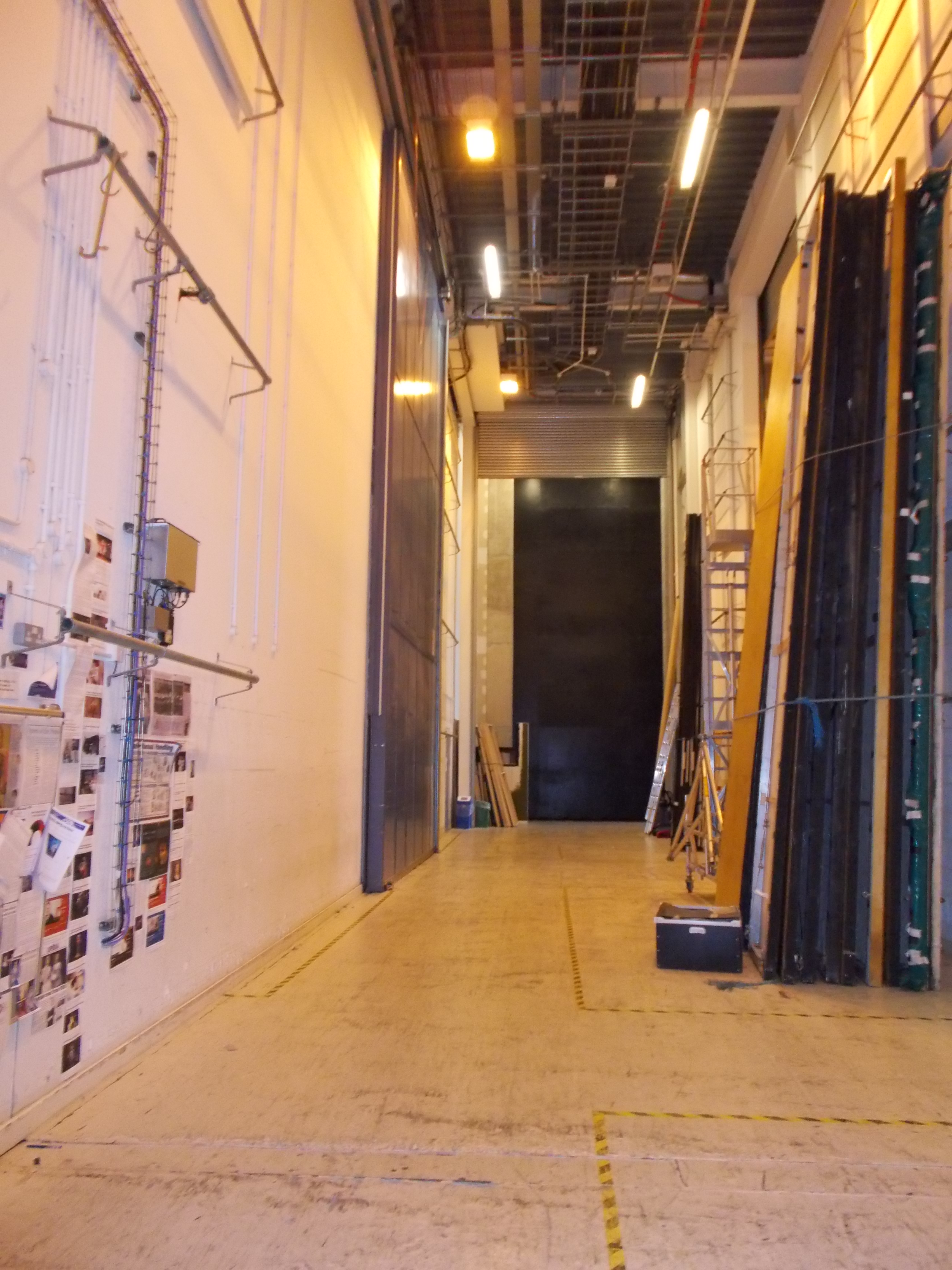
the famous “Scenery Street” that links all their backstage areas and rehearsal rooms:

007 006

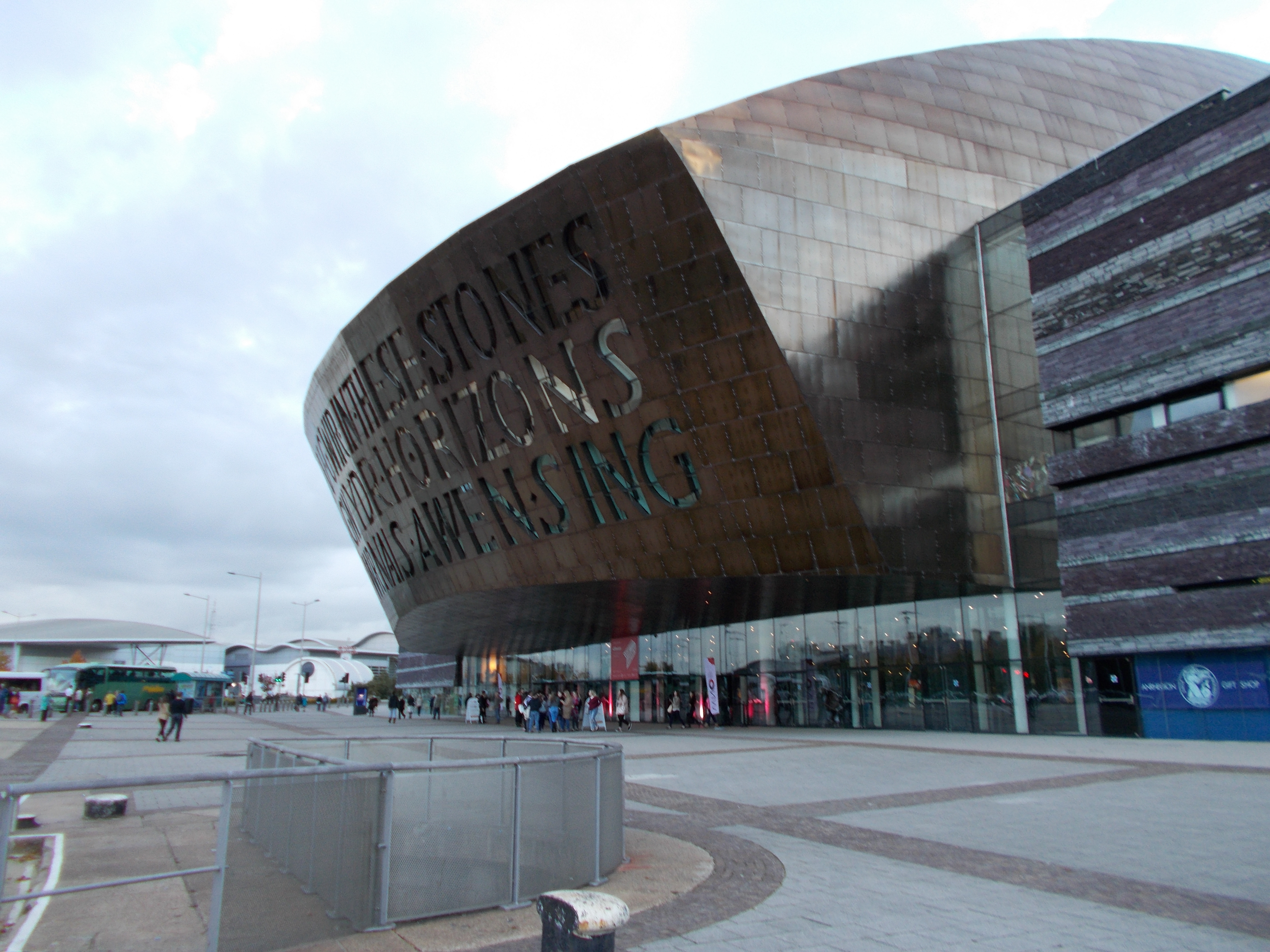
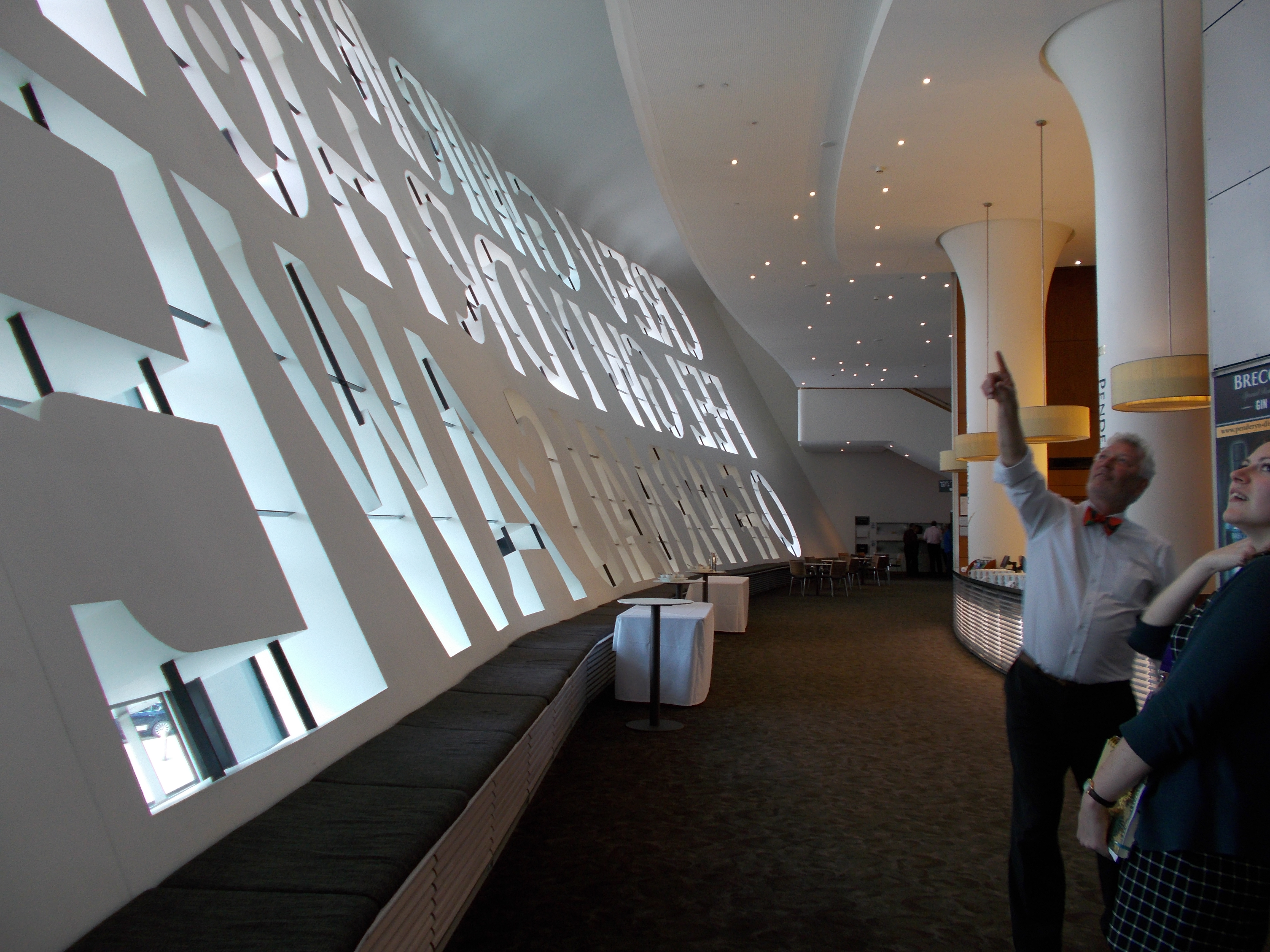
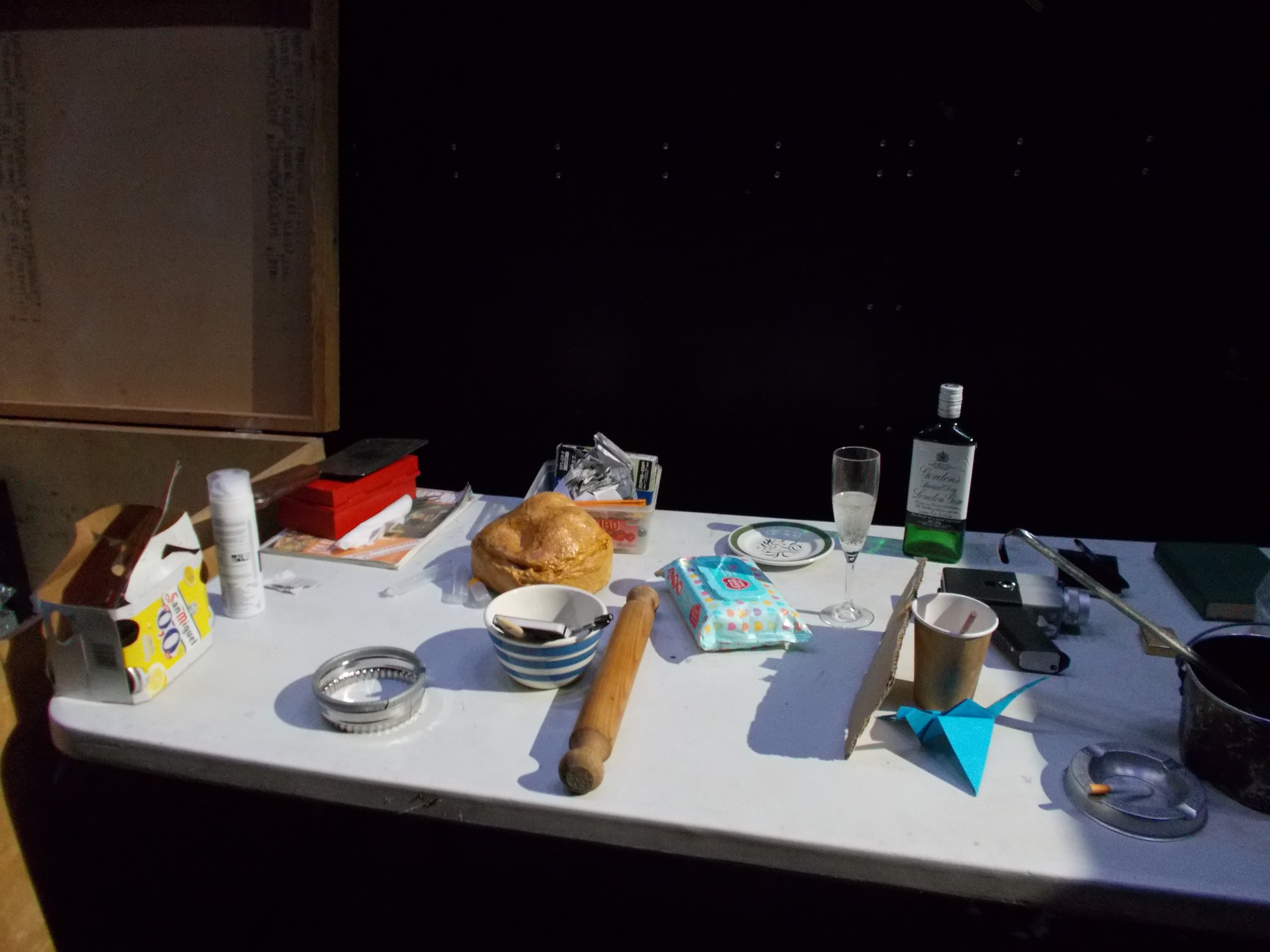
…and of course the bar with its huge multilingual inscriptions that double as windows (and which serves G&Ts with Penderyn gin).

004

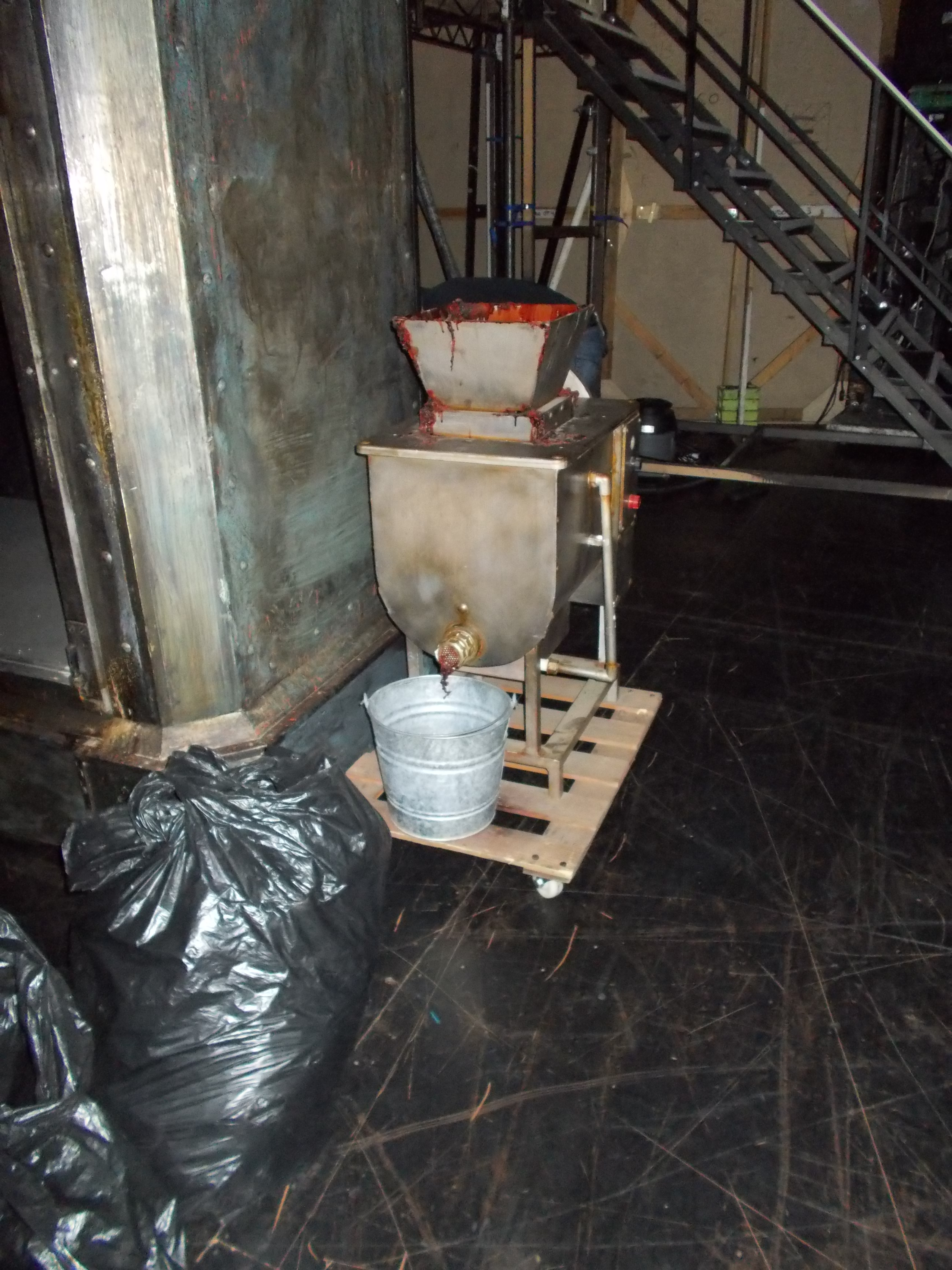
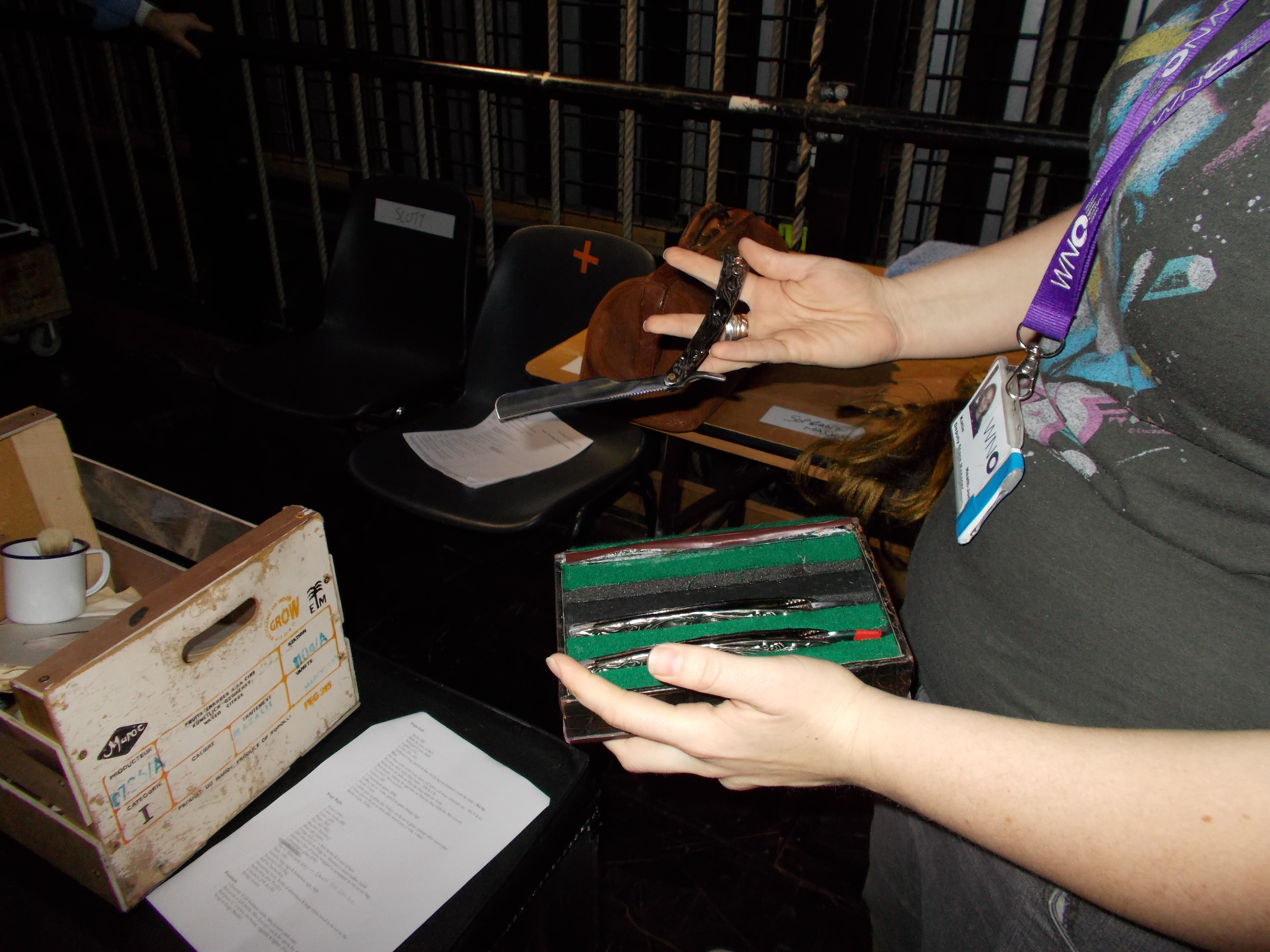
I’ve long known what a decent bunch they are at WNO, but they looked after us famously. The best bit, though – apart from the show itself, which I’ll be previewing in the Birmingham Post and reviewing at the Birmingham Hippodrome next month; meanwhile, take it from me and just GO AND SEE IT – was being literally backstage and seeing a lot of this sort of thing.

021031  029

Well, it’s Sweeney Todd, after all…what did you expect? The blood may not be real, but the pies most certainly are. Mmm…pies… Mmmm…Sondheim…

Nicola Benedetti on Tour

Tags

, , , ,

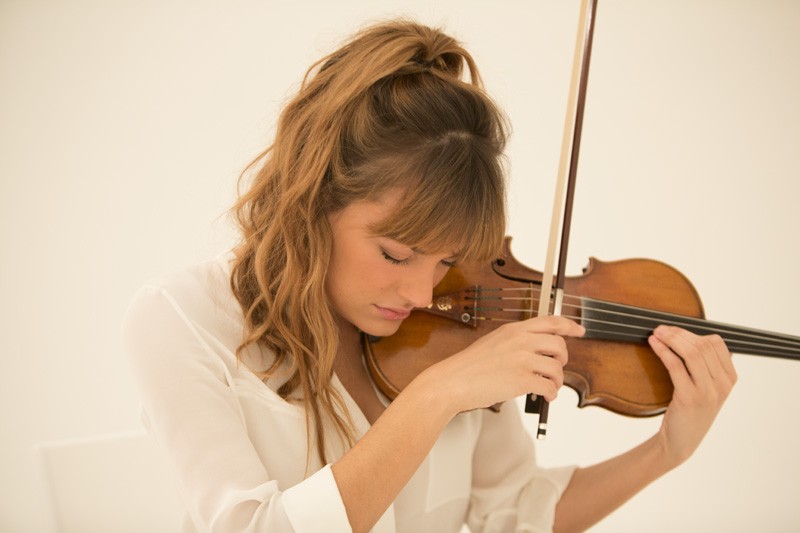
Nicola Benedetti - photo (c) Simon Fowler

Nicola Benedetti – photo (c) Simon Fowler

I reviewed Nicola Benedetti’s “Italy and the Four Seasons” tour (complete with Turnage premiere) at Symphony Hall last weekend. The Birmingham Post isn’t currently able to post reviews online, so here’s the review (below). Please do the honourable thing and pop out and buy the print edition once you’ve read it!

And for something completely different (well, OK still string-related) click here for my feature for Amati Magazine on the Royal Academy of Music.


A performance by a youth ensemble. Tchaikovsky’s Souvenir de Florence, in the string sextet version. A new chamber work by Mark-Anthony Turnage. There isn’t a promoter in Birmingham who could fill Symphony Hall for any one of these things. Yet when Nicola Benedetti fronts them, a near-capacity audience rises cheering to its feet.

That’s the thing to take away from this concert by Benedetti, cellist Leonard Elschenbroich and an 11-player ensemble. OK, so other violinists play with a sweeter tone; and not everyone will have appreciated the glossy full-page pictures of Benedetti that filled the expensive programme. But none of that detracts from the hugely positive role Benedetti plays in British musical life, and the seriousness with which she approaches what she does.

Hence the Birmingham premiere tonight of Turnage’s Duetti d’amore, a Ravel-inspired duo for Benedetti and Elschenbroich that veered from tender, skittish humour to full-throated passion. This was Turnage at his most lyrical, and the pair projected even its smallest gestures to the very back of the vast space. Souvenir de Florence for some reason, came across less vividly, despite a smiling performance and some breakneck speeds.

As for Vivaldi’s Four Seasons, what lingered were some gutsy, red-blooded tuttis and the chamber-music delicacy of Benedetti’s solo exchanges with her colleagues. Baroque bows and a lack of vibrato acknowledged period practice, while dramatic tempo-shifts within each movement made clear that Benedetti has her own very definite interpretative ideas.

And it was her idea to bring on a team of young string players from the National Children’s Orchestra – who performed the outer movements of Vivaldi’s concerto RV.310 as joyously and as musically as any professional band we’ve heard (and with a richer sound than some). A special moment in a feelgood evening; let’s hope that Benedetti’s clearly-sizeable fanbase will continue to support music-making like this after she’s left town.

Quote of the Week

Tags

, , , ,

Zinger here from the diaries of Count Harry Kessler – 6 September 1915:


The man without leisure as the greatest obstacle to culture. The man (be he a staff officer, stockbroker, industrialist, scholar) whose profession leaves no time for him to be alone with himself, and so becomes a man without a soul or a heart. This type is seizing exclusive control of the world for itself. Precisely his competence makes him dangerous.


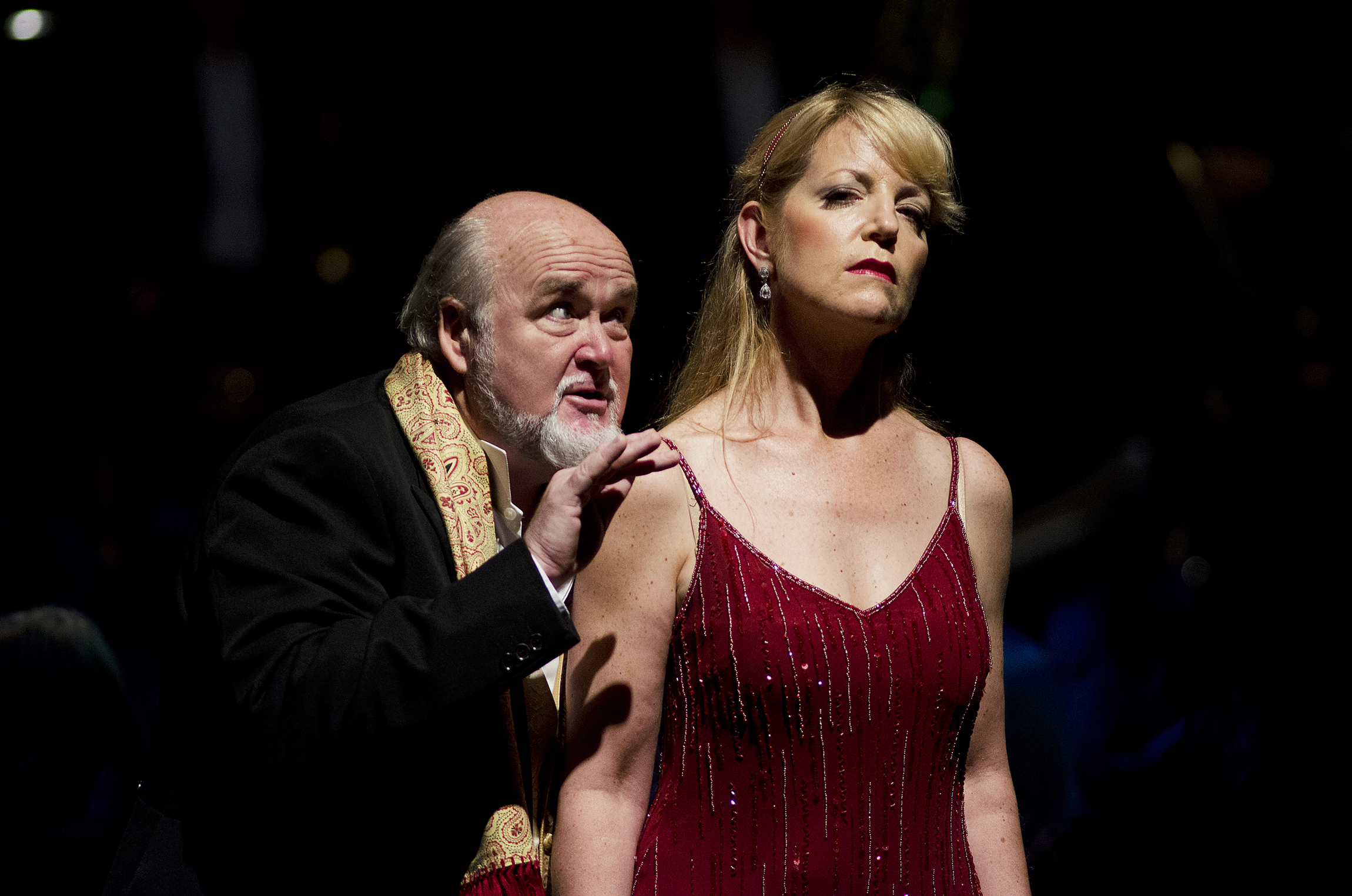
Salome - BSO - Kim Begley (left), Lise Lindstrom (right), photo Kevin Clifford copyright BSO

Photo by Kevin Clifford, (c) BSO

In other news…reviewed Richard Strauss’s Salome last night, in a brave concert performance by the Bournemouth Symphony Orchestra. There really shouldn’t have been any empty seats in Symphony Hall. My review is here.

What I’ve been writing about this week.

Tags

, , , , , , , , , , , , , ,

books2

John Williams’ complete music for Star Wars.

Elgar’s Piano Quartet and Wand of Youth Suite No.1.

Butterworth’s Suite for string quartet.

Hugo Wolf: Italian Serenade.

Haydn: Quartet Op.76 No.1.

Verdi: String Quartet in E minor.

Smetana: Tabór.

Brahms: Piano Concerto No.1.

Revueltas: Sensemayá.

Ricardo Castro’s opera Atzimba.

Bernstein: Symphonic Dances from West Side Story.

…and Richard Strauss’s Berlin lunch with Count Harry Kessler in March 1915.

Tomorrow: Federico Ibarra’s Symphony No.2, then a review of the Bournemouth Symphony Orchestra’s concert performance of Salomé.

My intern has been no help at all.
Boris_at_home2

Full Ahead

Tags

, , , , , , , , ,

009
After 20 years in the business, you’d think I’d be used to it – but the new season has kicked in with a vengeance, and suddenly I haven’t a spare moment. That meant two separate reviews last week of the Birmingham concert by my charming hosts in Denmark back in June – Birmingham Post here and The Arts Desk here, and this week, yesterday’s season opener by my old colleagues at the CBSO.

Simon Trpceski was the soloist, and he was as glorious as we’ve come to expect.  But we’re well into the post-Nelsons interregnum in Birmingham now and the conductor – Cristian Macelaru – was new both to me and to Brum. I have to say, I liked him. OK, I wasn’t picking up “music director” vibes from the friends I spoke to in the orchestra, but I think everyone was still pretty impressed. Review here.

039

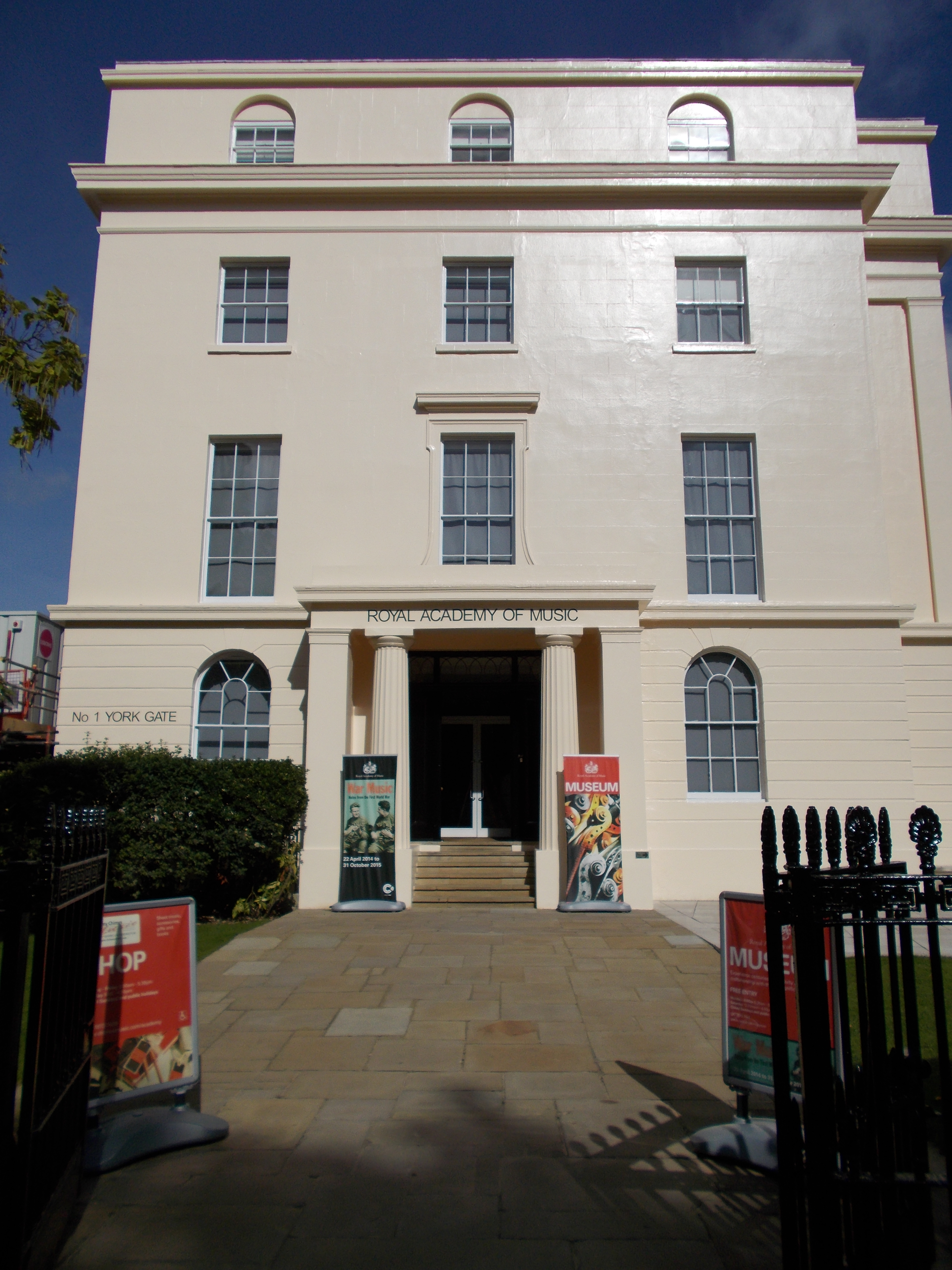
And on Wednesday, I made my first ever visit to the Royal Academy of Music in connection with an exciting new project I’m working on for The Amati Magazine. Watch this space for more details of that, but meanwhile, I had no idea that the Academy itself was such a shrine to musical history. It’s got a lovely little public museum (why did no-one ever tell me about this before?): Mendelssohn’s letters, Maxwell Davies and Michael Kamen manuscripts, Ligeti and Tavener autographs – plus the manuscript score of The Mikado.

002

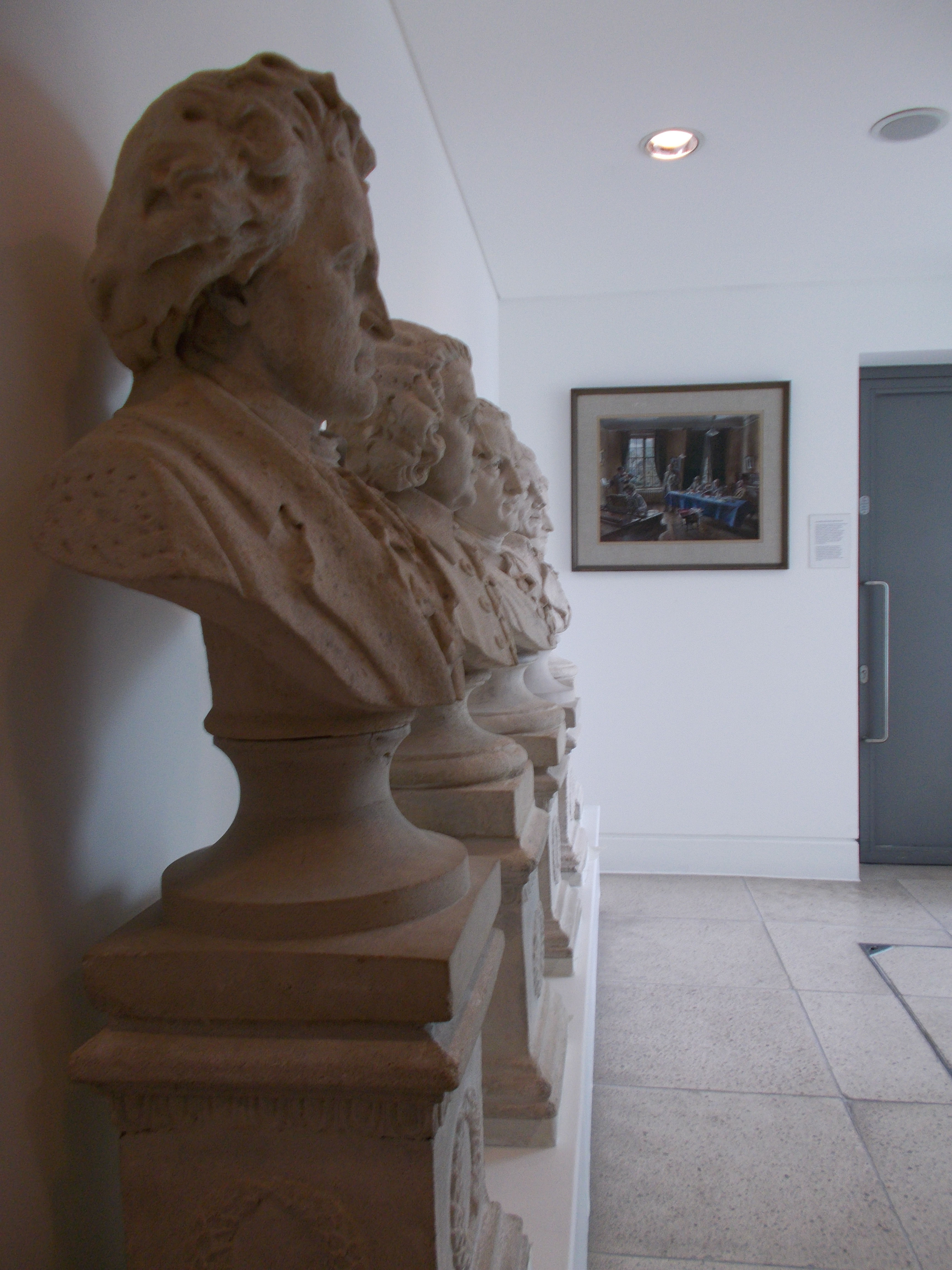
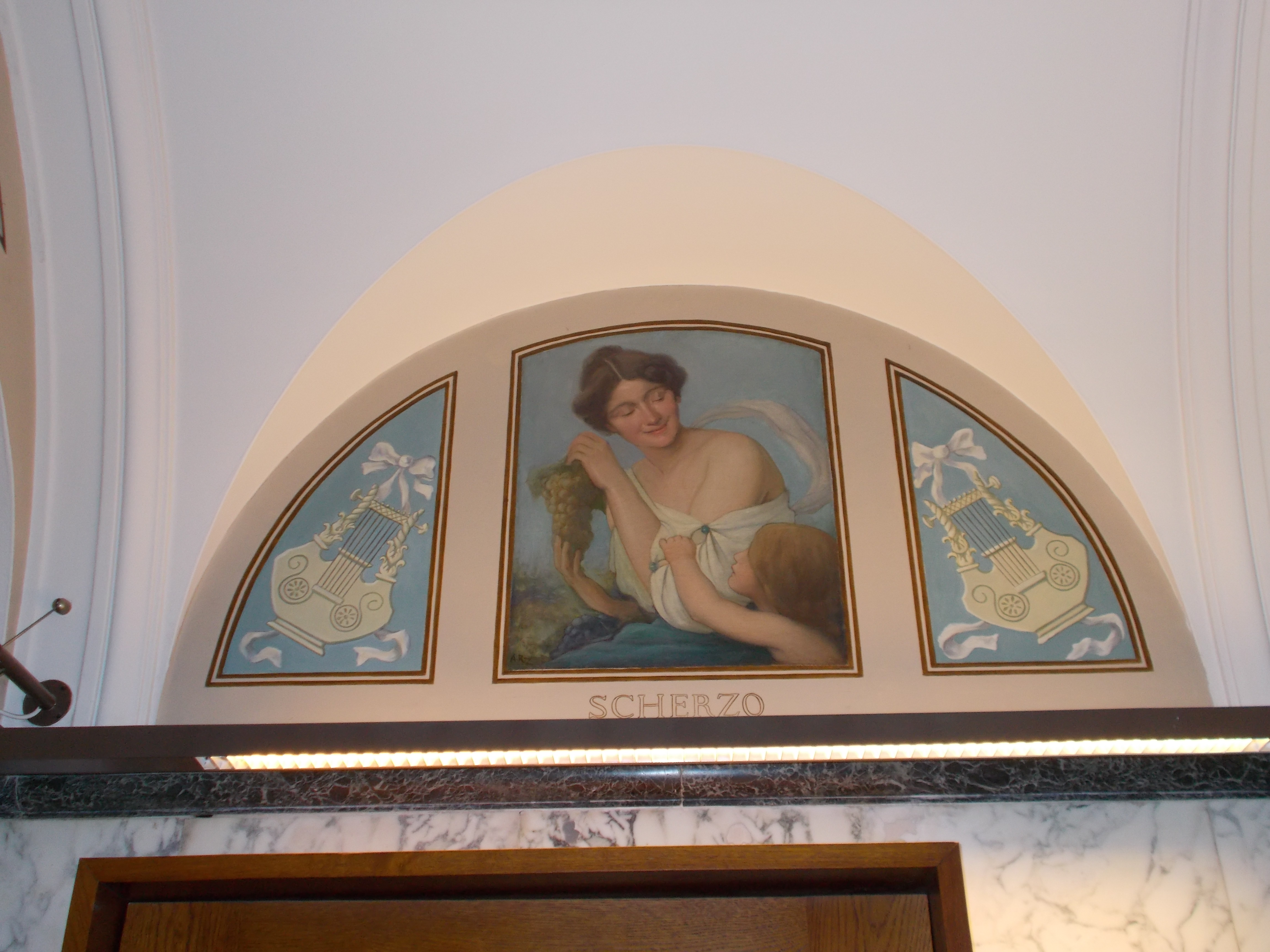
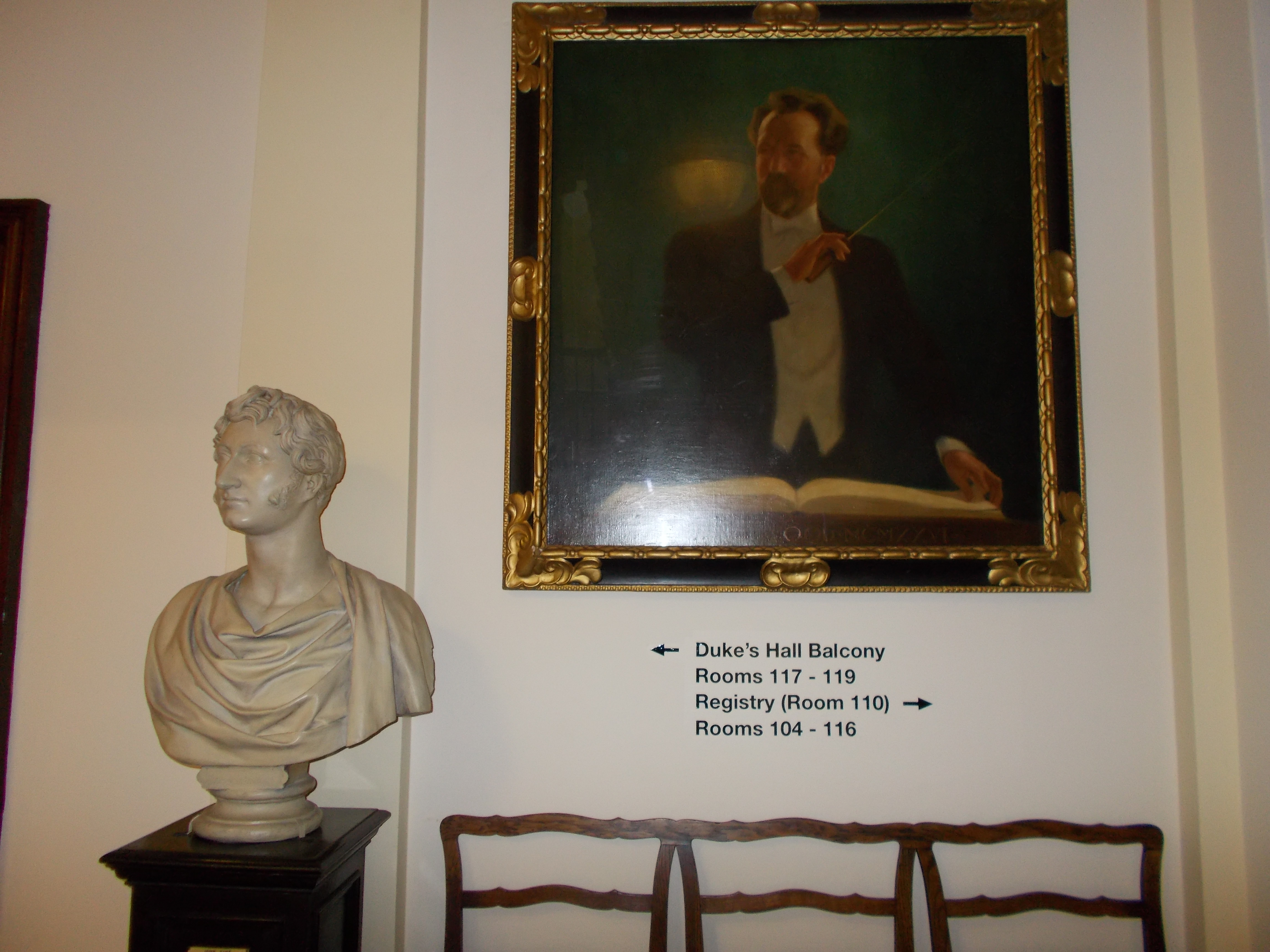
And the college building itself is a real treasure house of music-related paintings and sculpture. They’ve got the stone composers’ busts rescued from the rubble of Queen’s Hall when it was bombed. They’ve got paintings of the Griller Quartet and Harrison Birtwistle.

033

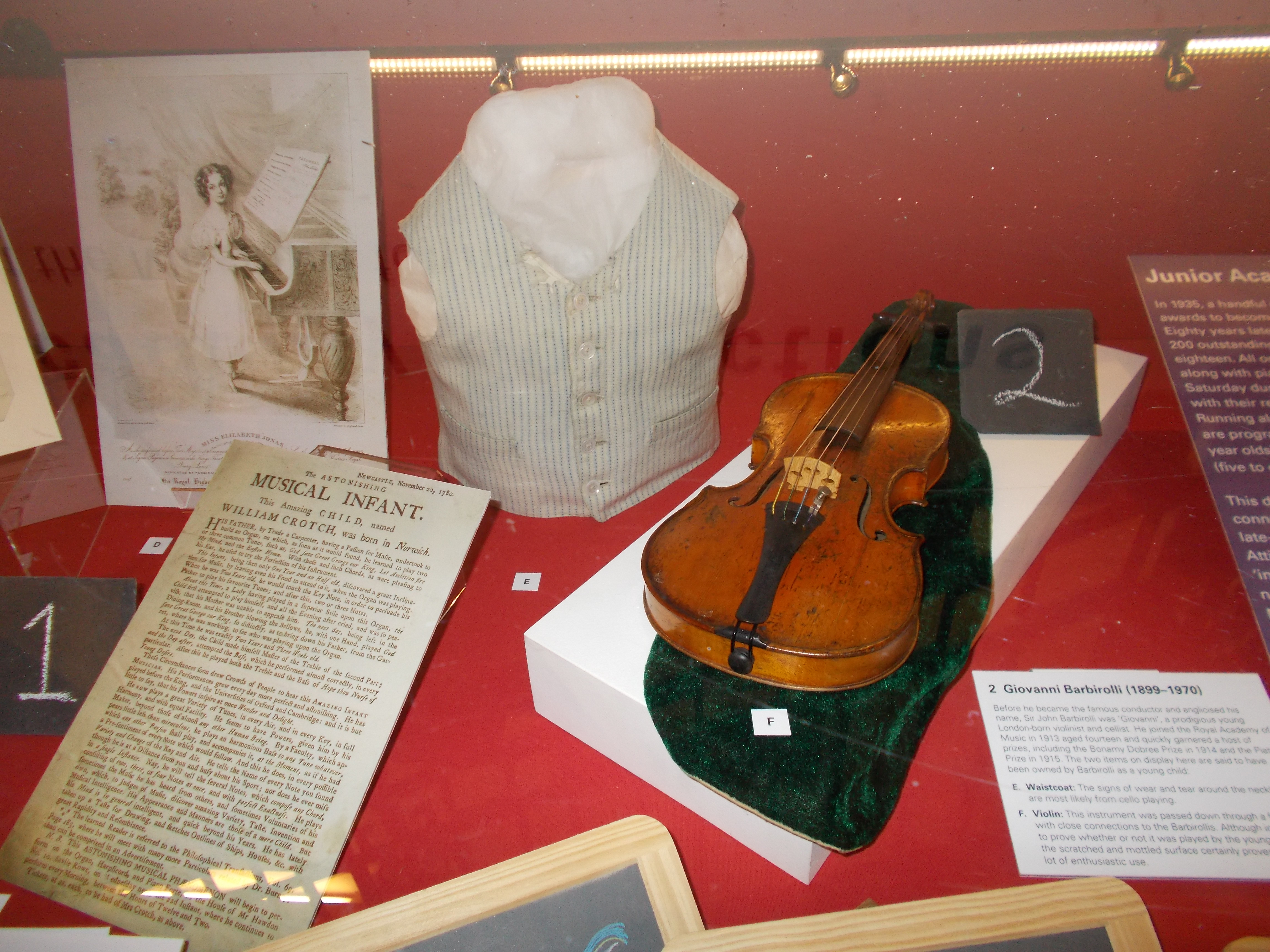
They’ve even got John (or “Giovanni” as he was then) Barbirolli’s baby-violin and waistcoat. And a whole room devoted to the saucy bedroom exploits of Harriet Cohen and Arnold Bax. OK, not quite. But apparently there’s a Chagall in there. I’m determined to get back in there some time soon, purely to have a proper look.

006

Meanwhile: my Birmingham Post boss, mentor and colleague Chris Morley – the Midlands’ pre-eminent music critic for well over 30 years – has taken the plunge and joined Twitter.  Follow him on @cfmorley47