• Blog
  • Clients
  • About Me

Richard Bratby

~ Classical music writer, critic and consultant

Richard Bratby

Tag Archives: Welsh National Opera

Review: Madam Butterfly (Welsh National Opera)

07 Friday Jul 2017

Posted by richardbratby in Uncategorized

≈ Leave a comment

Tags

Birmingham Hippodrome, Puccini, Reviews, Welsh National Opera

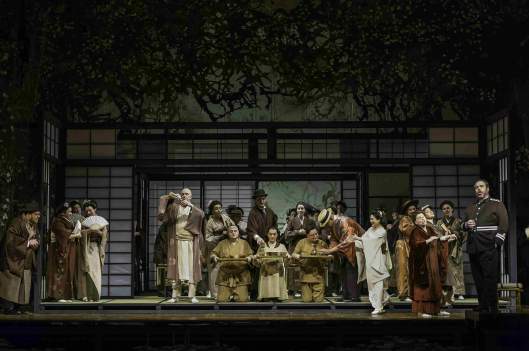
wno_madam_butterfly_2017_cast_photo_credit_jeremy_abrahams

It really is that brown


The Birmingham Post isn’t always able to post online everything that I’ve written for its print edition, so – after a suitable time lag (ideally you should go out and buy the paper) – I’ll be posting my recent reviews here. As per the print edition, they’re all fairly concise – just 250 words. This is of a performance at Birmingham Hippodrome on Tuesday 27 June 2017.


Welsh National Opera has been doing some interesting things this year, but in the Second City it’s mostly been Puccini revivals. To say we’ve seen this all before is an understatement: Joachim Herz’s production of Madam Butterfly is nearly 40 years old, though to be fair Reinhart Zimmermann’s designs – with their hanging cherry blossom and little wood and paper house – have aged well. It’s only the tie-dye drapes and preponderance of the colour brown (it’s all very Habitat) that make you realise this production dates from 1978.

And of course each new cast, conductor and revival director (Sarah Crisp on this occasion) has the potential to breathe new life into it. The staging’s telling little details – Trouble’s toy lighthouse, the ugly locks that Pinkerton has fitted to the delicate-looking house in Act 2 – were matched by vivid, detailed performances: Rebecca Afonwy-Jones’s calm, compassionate Suzuki, and David Kempster, as a gruff, warm-toned Sharpless, wagging his finger in warning as he tries to make Pinkerton do the decent thing. As Pinkerton, Paul Charles Clarke was determinedly oafish. His hard-edged, blustery singing and the way he let the cowardice flash across his face won him a chorus of pantomime-baddie boos.

But of course there’s no Butterfly without Cio-Cio-San, and Linda Richardson had it all: unsinkable assurance shading into heart-breaking fragility and (at the end) chilling resolve, all conveyed in a voice that never stopped glowing – whether quiet and poised, or soaring above the orchestra at the climax of an Un Bel Di that really blazed. Andrew Greenwood conducted with red-blooded sweep, and the WNO Orchestra responded with a passion worthy of the only UK opera orchestra from which I’ve never heard a lacklustre performance.

April scribblings

29 Friday Apr 2016

Posted by richardbratby in Uncategorized

≈ Leave a comment

Tags

Birmingham Post, English Touring Opera, Gavin Plumley, Gramophone, Johann Strauss, Mozart, Opera North, The Arts Desk, The Spectator, Welsh National Opera

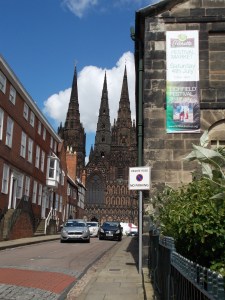
Twenty minutes ago in Lichfield we had a hailstorm. Now it looks like this:017

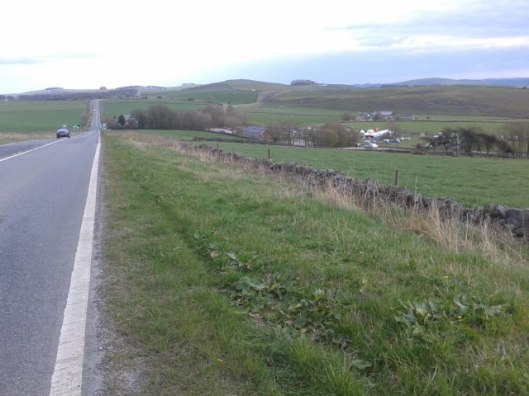
I’ve given up trying to wrap my head around the seasons because this month it’s been pretty much non-stop scribble scribble scribble, as George III supposedly said to Dr Johnson. I’ve had reviews in The Spectator for Birmingham Conservatoire’s Anglo-French triple-bill and the RAM’s May Night, reviewed a new opera and a Shakespeare celebration for The Birmingham Post and taken the road to Buxton to cover English Touring Opera’s spring season (well, 2/3 of it) for The Arts Desk. Not that I need much excuse to visit Buxton Opera House: this has surely got to be Britain’s best drive to work. Bit of RVW on the stereo: magic.

A515 Buxton

And last night I heard the UK premiere of a masterpiece – also for The Arts Desk.

On top of that, I’ve been working with The Philharmonia, Performances Birmingham, the CBSO and Warwick Arts Centre on their 16-17 season brochures. It’s a privilege to see what’s coming up next season but a couple of things are so exciting that it’s been quite hard to bite my tongue. And programme notes for two great festivals: four heavyweight programmes for Salzburg – any chance to write about Mozart is always a pleasure – and a whole raft of really wonderful English music, including some real favourites of mine, for the Three Choirs (it’s in Gloucester this year, btw).

Those came courtesy of two great colleagues, Gavin Plumley (he’s got a Wigmore Hall debut coming up and knowing the care and expertise he brings to everything he does, it should be superb) and Clare Stevens, who’s currently blogging the story of her grandmother’s experiences in the Easter Rising of 1916: a really remarkable piece of family history. I’ve also written about a couple of fascinating programmes for the Wigmore Hall and the Barbican and an article on Verdi’s Falstaff for the CBSO’s in-house magazine Music Stand. And did you know that Arthur Bliss wrote a Fanfare for the National Fund for Crippling Diseases? Don’t ask…

And that’s not to mention my most exciting project so far for Gramophone: a reassessment of Carlos Kleiber’s classic 1976 recording of Die Fledermaus, co-written (to my astonishment and awe) with one of the greatest living experts on operetta, Andrew Lamb. A huge privilege and actually enormous fun; I think it’s being published in the July edition, though meanwhile Gramophone has been keeping me busy with everything from Johann Strauss and Balfe to Cecil Armstrong Gibbs. Full list here. They know me too well already…

Anyway, tonight it’s Mark Simpson’s new opera Pleasure at Opera North (for The Spectator); the next few weeks of opera-going will take me to Guildford, Cardiff, Wolverhampton and Glasgow, so if I’m quiet again for a bit, my apologies.

Review: WNO’s The Marriage of Figaro

19 Saturday Mar 2016

Posted by richardbratby in Uncategorized

≈ 1 Comment

Tags

Birmingham Hippodrome, Reviews, The Birmingham Post, The Marriage of Figaro, Welsh National Opera

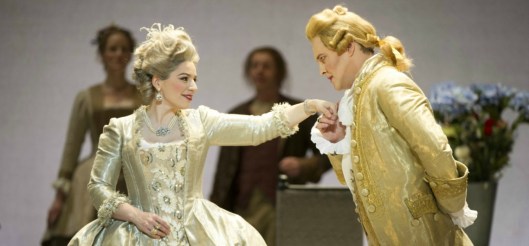
WNO Figaro Countess

Elizabeth Watts & Mark Stone (Countess & Count Almaviva) – picture by Richard Hubert Smith

The Birmingham Post isn’t always able to post online everything that I’ve written for its print edition, so – after a suitable time lag (you should really go out and buy the paper!) – I’ll be posting my recent reviews here. As per the print edition, they’re all fairly concise – just 250 words. This is of a performance at Birmingham Hippodrome on Wednesday 23 March, a sort of addendum to my Spectator review of the opening night in Cardiff a fortnight earlier. 


At the very end of The Marriage of Figaro, as the Almaviva household’s crazy day races towards its conclusion, the betrayed Countess declines her revenge and instead forgives her jealous, philandering husband. Done well, it’s one of the most poignant moments in all Mozart – in other words, in all of theatre.

In this new production from Welsh National Opera, it wasn’t just the great, compassionate glow that flooded from Lothar Koenigs’ orchestra that made the eyes well up. It wasn’t even Elizabeth Watts’s radiant singing as the Countess. It was the way Watts took the Count (Mark Stone) by the hand and for the first time in the whole evening, looked him in the eye. One little detail, a single moment of human contact – and yet one that summed up everything that made director Tobias Richter’s achievement so utterly glorious.

It fizzed. It sparkled. And with a near-ideal cast, everyone played joyously off each other. In David Stout’s witty, handsomely-sung Figaro and Anna Devin’s sunny, spirited Susanna, Richter had a central couple who were both entirely believable and enormous fun to be around. With her gawky movements and sweet but plangent tone, Naomi O’Connell’s Cherubino was the girl-crazy teenage boy to perfection.

As Basilio, Alan Oke rolled his r’s with deliciously pedantic relish, while Richard Wiegold’s Bartolo and Susan Bickley’s Marcellina managed the transition from pantomime baddies to doting parents with genuine charm. And under Richter’s direction, even the Count evoked sympathy, Stone’s features crumpling with the frustration and puzzlement of a man who’s essentially weak rather than bad.

Sue Blane’s colourful mock-Georgian costumes gave the whole thing the tiniest spice of artificiality – just enough to make it ping off the stage. And to hear the clarity and comic timing these singers brought to their lines (in Jeremy Sams’ translation), with an audience laughing in real time, was a vindication of WNO artistic director David Pountney’s decision to have it sung in English. Ralph Koltai’s semi-abstract sets won’t have been to all tastes, but they focused attention on what really mattered: the warmth of the human comedy unfolding beneath them, and some of the freshest singing and acting you could possibly hope for. In short, if you get a chance to see this production, take it. It’s basically perfect.

Review: Handel’s Orlando

08 Tuesday Mar 2016

Posted by richardbratby in Uncategorized

≈ Leave a comment

Tags

Harry Bicket, Iestyn Davies, Reviews, The Birmingham Post, The English Consort, The Spectator, Welsh National Opera

WNO Figaro

Nicholas Lester in WNO’s The Barber of Seville. Robbie Rotten, I’m telling you.

The Birmingham Post isn’t always able to post online everything that I’ve written for its print edition, so – after a suitable time lag (you should really go out and buy the paper!) – I’ll be posting my recent reviews here. As per the print edition, they’re all fairly concise – just 250 words. This is of a performance at Birmingham Town Hall on Friday 26 February.

Other recent reviews include my takes on WNO’s Figaro Forever trilogy in The Birmingham Post and The Spectator.


Dr Johnson defined opera as “an exotic and irrational entertainment” – and for Exhibit A, he could have taken Handel’s Orlando. No opera can be judged fairly from a concert performance. But with the non-musical drama stripped out, Orlando’s high-voiced heroes, grandiose rhetoric and supernatural interventions veer dangerously towards Monty Python. By the umpteenth time that someone in this concert performance by Harry Bicket and The English Concert threatened to kill themself over love, honour or whatever, the Town Hall audience was openly laughing.

Why wouldn’t they? This was a terrifically entertaining evening, and the performances were uniformly superb. Bicket had assembled a dream cast. Countertenor Iestyn Davies blazed as the antihero Orlando, before delivering more reflective passages in tones so mellow that they almost seemed too lovely for a character who’s basically the ex-boyfriend from hell. In the trouser role of African prince (and dreamboat) Medoro the rich-voiced mezzo Sasha Cooke came across with a really masculine air of pride, while Kyle Ketelsen as Zoroastro looked every inch the magus in white tie and tails – and delivered majestic, ringing sound to match.

But at the centre of the drama are the oriental queen Angelica and the shepherdess Dorinda – and Erin Morley and Carolyn Sampson were ideal in every way. Morley’s light, brilliant soprano despatched Handel’s glittering coloratura with jewel-like clarity and poise, while Sampson’s vocal purity and grace made her the picture of pastoral innocence – until the moment in Act Three when, overcome by emotion, her voice deepened and darkened thrillingly and she brought the house down.

Bicket and his band responded exuberantly to Handel’s every detail, the continuo players swathing Angelica’s entrance in great flourishes of sound, and basses digging grittily in as Orlando descended into madness. The only way they could have served Handel better would have been with a fully-staged production.


On the Road

23 Monday Nov 2015

Posted by richardbratby in Uncategorized

≈ Leave a comment

Tags

Amati Magazine, Birmingham Post, Glyndebourne, Opera North, The Arts Desk, The Spectator, Welsh National Opera

Milton Keynes

Oh b*gger, that’s Christmas and it’s coming straight at us.

November was looking quiet; then a couple of emails and suddenly I haven’t blogged for over a fortnight. In the last 9 days I’ve somehow found myself seeing four different operas in three different cities, playing Rachmaninoff’s The Isle of the Dead and squeezing in a bit of contemporary music too. Here’s what I’ve been up to when not at my desk:

– Visits to the Royal College of Music, Birmingham Conservatoire and Guildhall School of Music and Drama for my ongoing Amati Magazine survey of string departments at the UK’s music colleges. The RCM article is here.
– Glyndebourne on Tour‘s Die Entfuhrung aus dem Serail at Milton Keynes (review forthcoming in The Spectator)
– Birmingham Contemporary Music Group for The Birmingham Post and The Arts Desk (plus the discovery that the composer Patrick Brennan is a really impressive new voice)
– Welsh National Opera’s I Puritani for The Birmingham Post
– Opera North’s Jenufa in Nottingham (also for The Spectator – watch this space!)
– Welsh National Opera’s Sweeney Todd for (I thought) the Birmingham Post, though it actually appeared in the Mail. And my feature-length preview of the same show popped up there too.
– and then playing the cello badly in a programme of Rachmaninoff, Prokofiev and Elgar with my old friends at the Wrexham Symphony Orchestra. At last my arm is complete again!

sweeney02

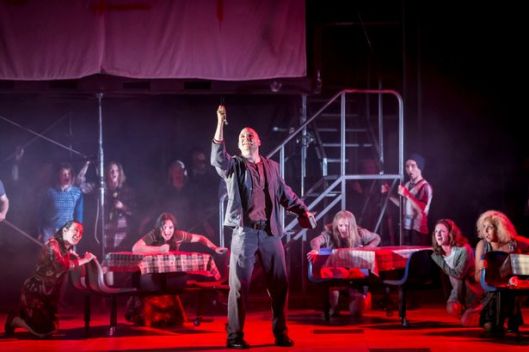
WNO’s Sweeney Todd: I could murder a pie

Plus I’ve been writing about James Bond for the CBSO, Ligeti for the Barber Institute, and some fun seasonal programmes for West End International and the RLPO; not to mention some exciting projects with the LPO, RPO and Ulster Orchestra, including an enjoyable chance to spend some quality time with Johan Wagenaar’s wonderful Cyrano de Bergerac overture (give it a try).

Anyway, that’s why I’ve been quiet.  Then I looked up and…it’s basically one month to Christmas. Oh, b*gger.


Review: CBSO, Daniele Rustioni, Vadim Gluzman

04 Wednesday Nov 2015

Posted by richardbratby in Uncategorized

≈ Leave a comment

Tags

Birmingham Post, Brahms, CBSO, Daniele Rustioni, Mussorgsky, Reviews, Sakari Oramo, Symphony Hall, Welsh National Opera

The Birmingham Post isn’t always able to post online everything that I’ve written for its print edition, so – after a suitable time lag (you should really go out and buy the paper!) – I’ll be posting my recent reviews here. As per the print edition, they’re all fairly concise – just 250 words. This is of a performance by the CBSO on 29th October 2015.


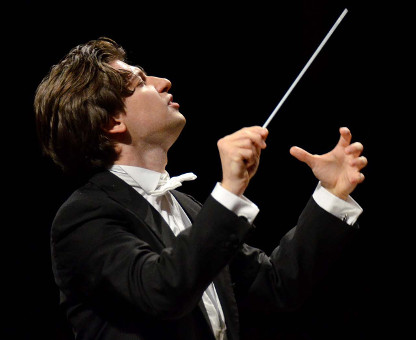
Daniele-Rustioni-by-Cophano-HP-AMC

Daniele Rustioni is nothing if not watchable. Small and dapper with a mop of floppy hair, he darts, he gesticulates, he bounces clear into the air. And in this CBSO concert he rocketed straight out of the blocks with a suave, streamlined account of Dvorak’s Carnival overture that left a midweek matinee crowd yelling with excitement.

It was easy to hear the strengths of this 32-year old Italian, whose spirited, idiomatic conducting was probably the best thing about WNO’s 2013 Donizetti Tudor trilogy. Rustioni can shape a phrase and make it sing (who mentioned bel canto?): he way he accompanied Kyle Horch’s creamy sax solo in Ravel’s orchestration of Mussorgsky’s Pictures at an Exhibition was almost sensuous. He takes a tactile pleasure in orchestral colours, bringing out the succulence of a pizzicato chord, and subtly pointing up a quiet bottom note from the bass clarinet.

His weaknesses – well, wasn’t it Richard Strauss who advised young conductors never to look at the brass: it only encourages them? And there was the strange, frustrating business of a Brahms Violin Concerto that never quite sounded at ease: fidgety, foursquare and punctuated by noisy blasts. Soloist Vadim Gluzman’s wiry tone and workmanlike delivery probably didn’t help, though it was noticeable that even in the Dvorak, Rustioni was cheerfully summoning up the kind of fortissimos that Sakari Oramo used to save for the end of Mahler symphonies.

But it was hard not to thrill to the jangling, tingling conclusion of Rustioni’s Pictures at an Exhibition, or to enjoy the full-fat low string sound of Samuel Goldenberg and Schmuyle, and the way Rustioni made Gnomus dance. To experience this kind of freshness and verve in such a familiar warhorse is reason enough to hope that we see Rustioni at Symphony Hall again.

Attend the tale of Sweeney Todd…

08 Thursday Oct 2015

Posted by richardbratby in Uncategorized

≈ Leave a comment

Tags

Birmingham Post, Stephen Sondheim, Sweeney Todd, Wales Millennium Centre, Welsh National Opera

033

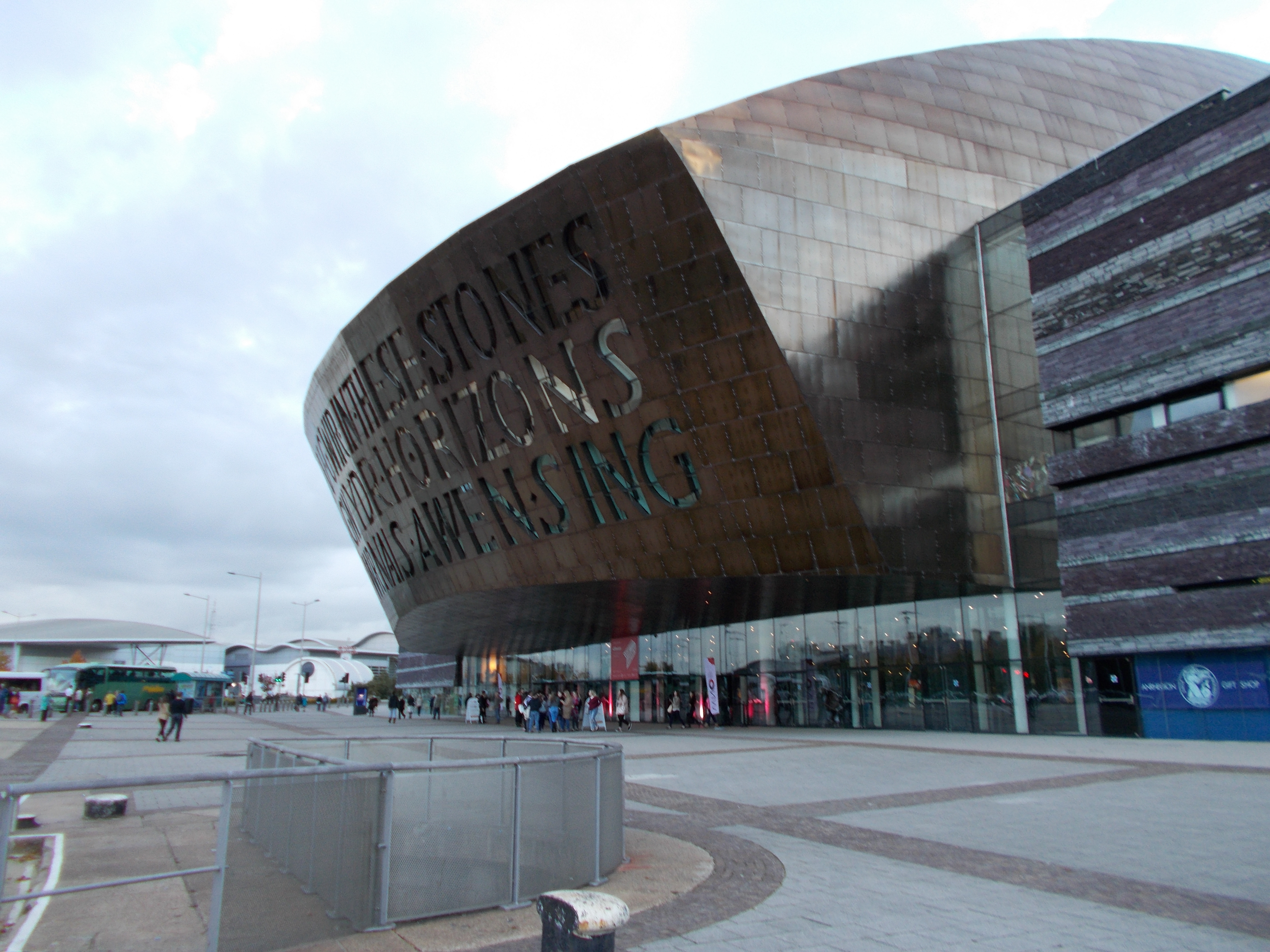
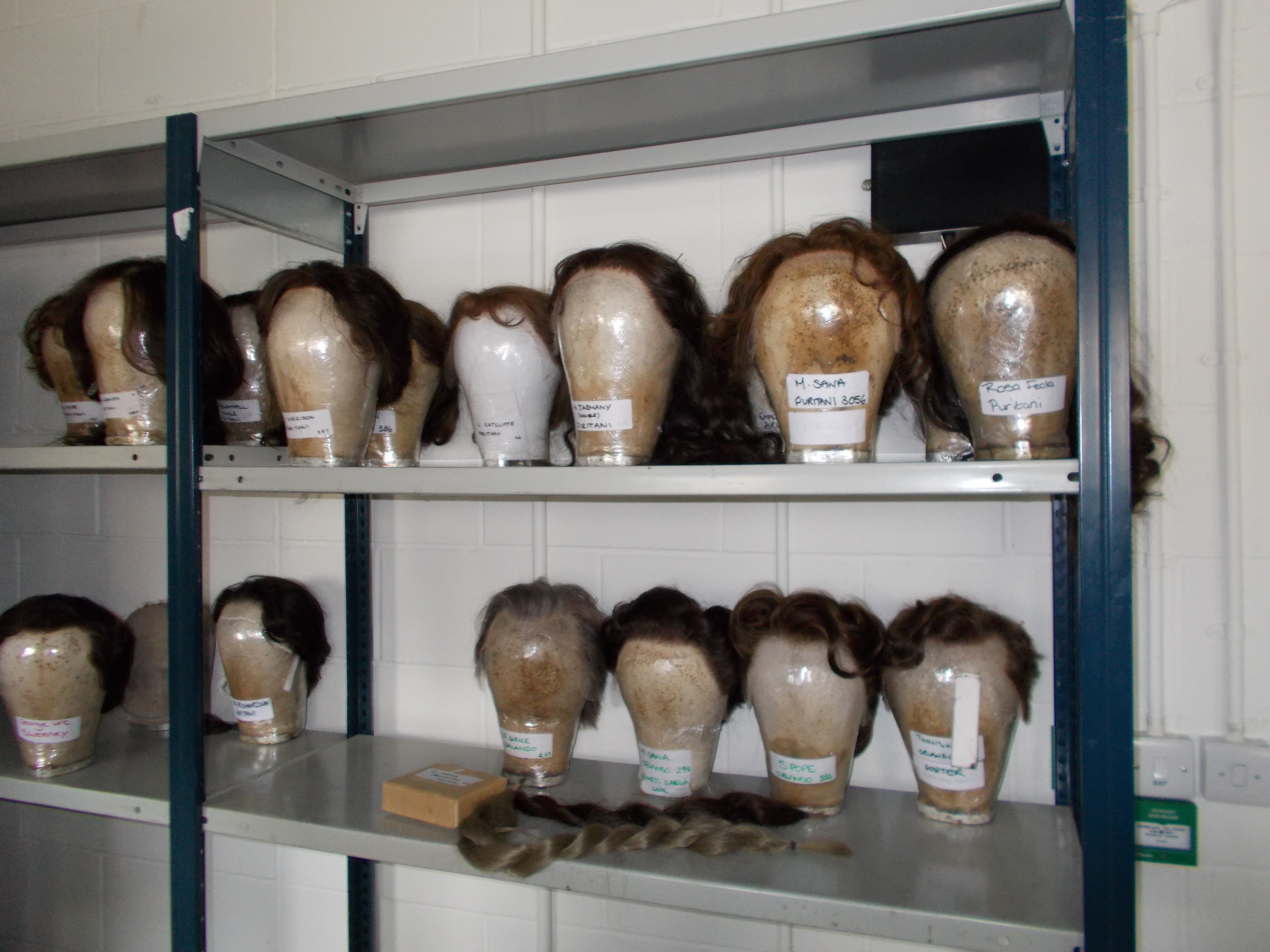
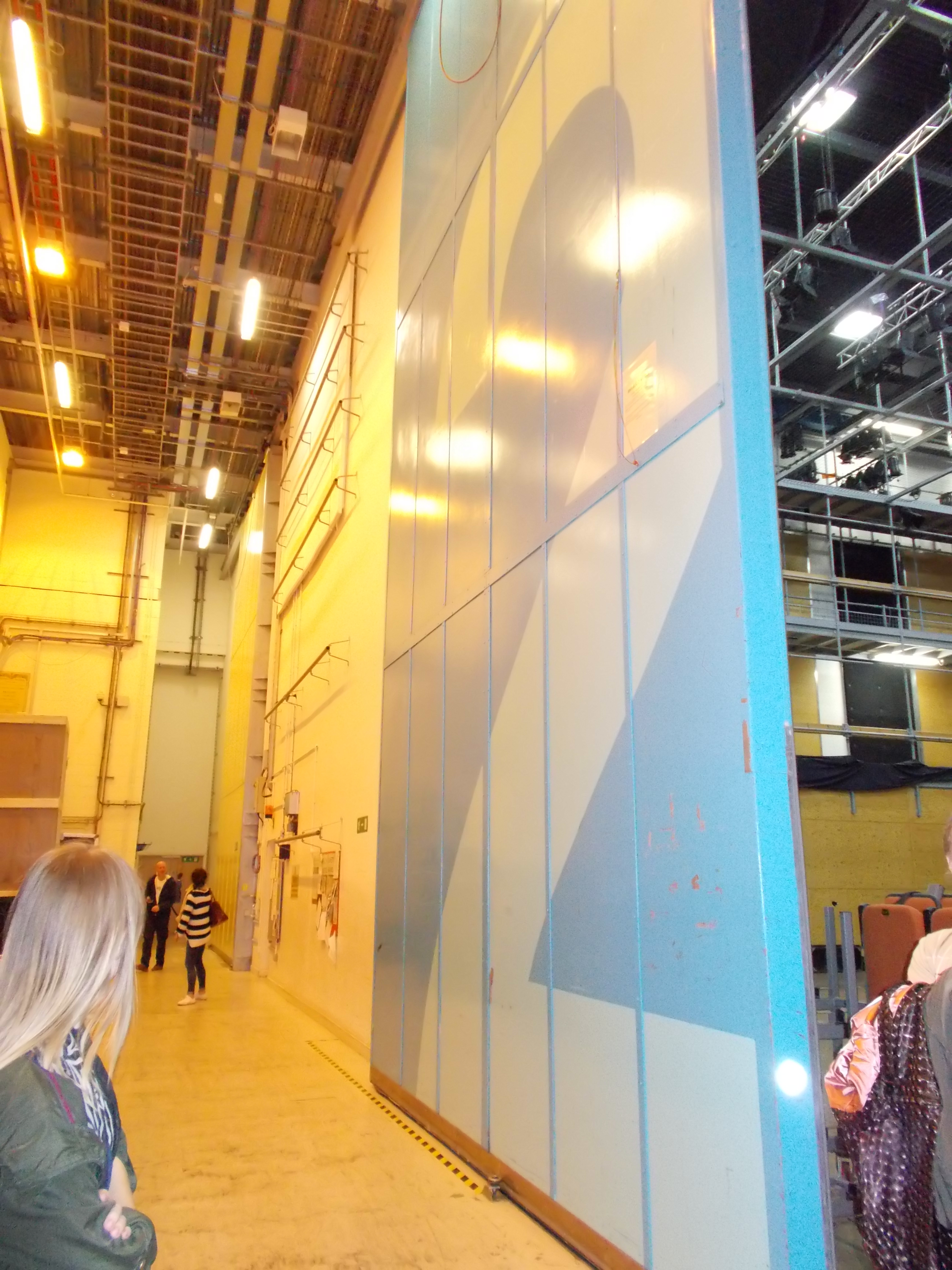
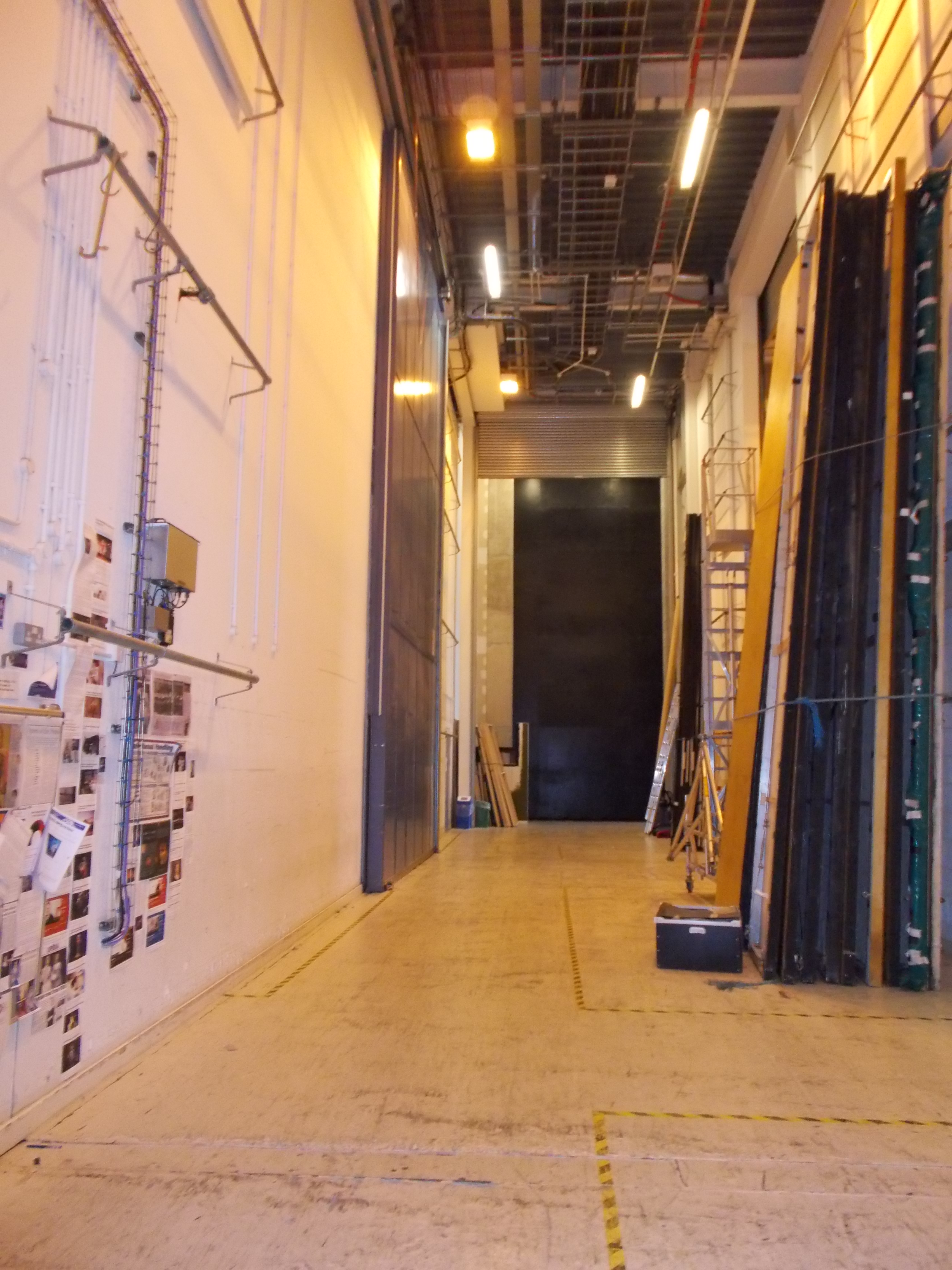
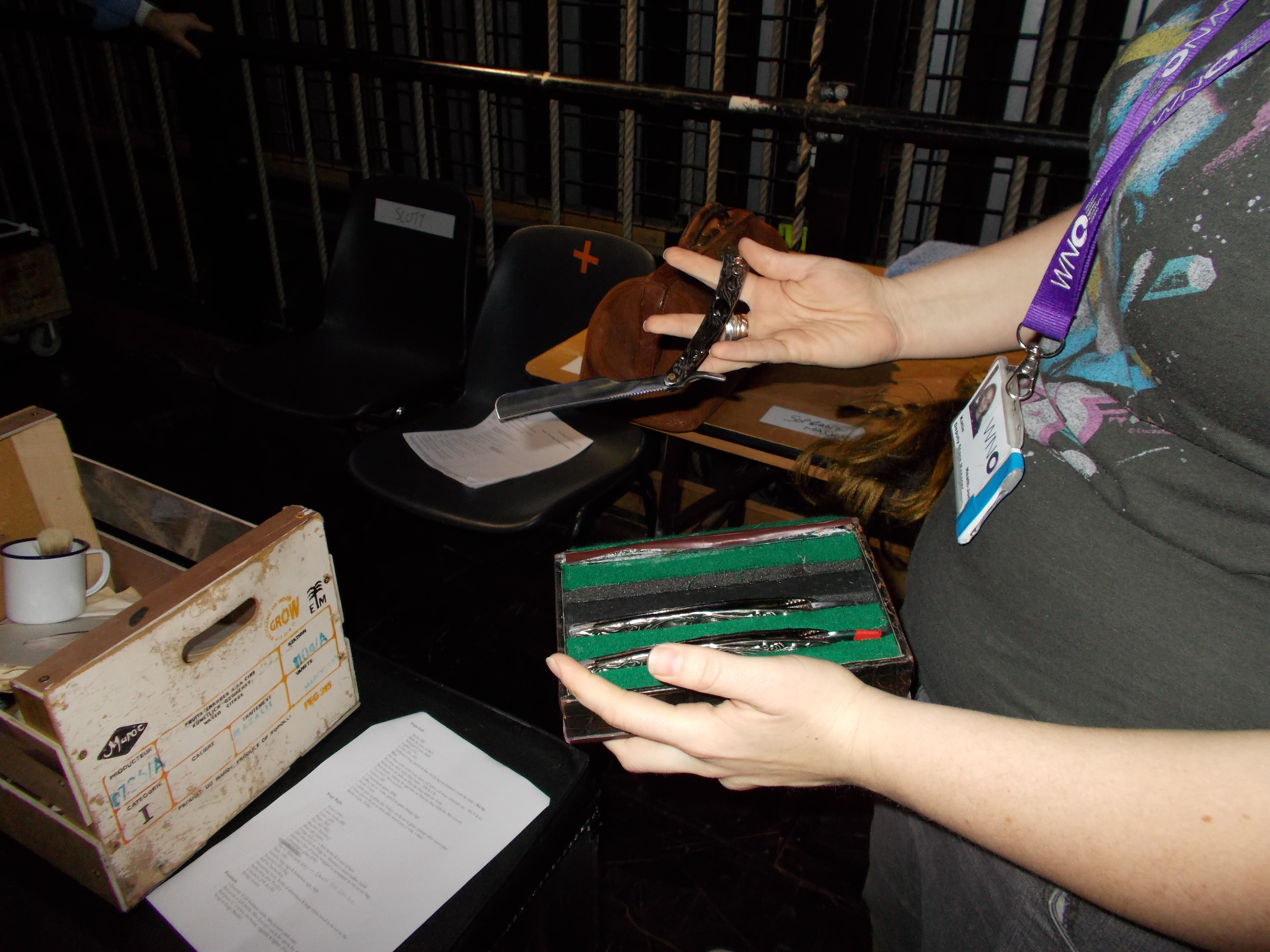
Can’t let today pass without sending a huge TOI TOI TOI to everyone at Welsh National Opera for their new production of Stephen Sondheim’s Sweeney Todd, prior to its opening at the Wales Millennium Centre in Cardiff tonight. They were kind enough to show a small party of press around backstage prior to the dress rehearsal on Tuesday; for the first time in years, I was able to make it and see all the backstage features they’ve long been talking about – the wig room:

012

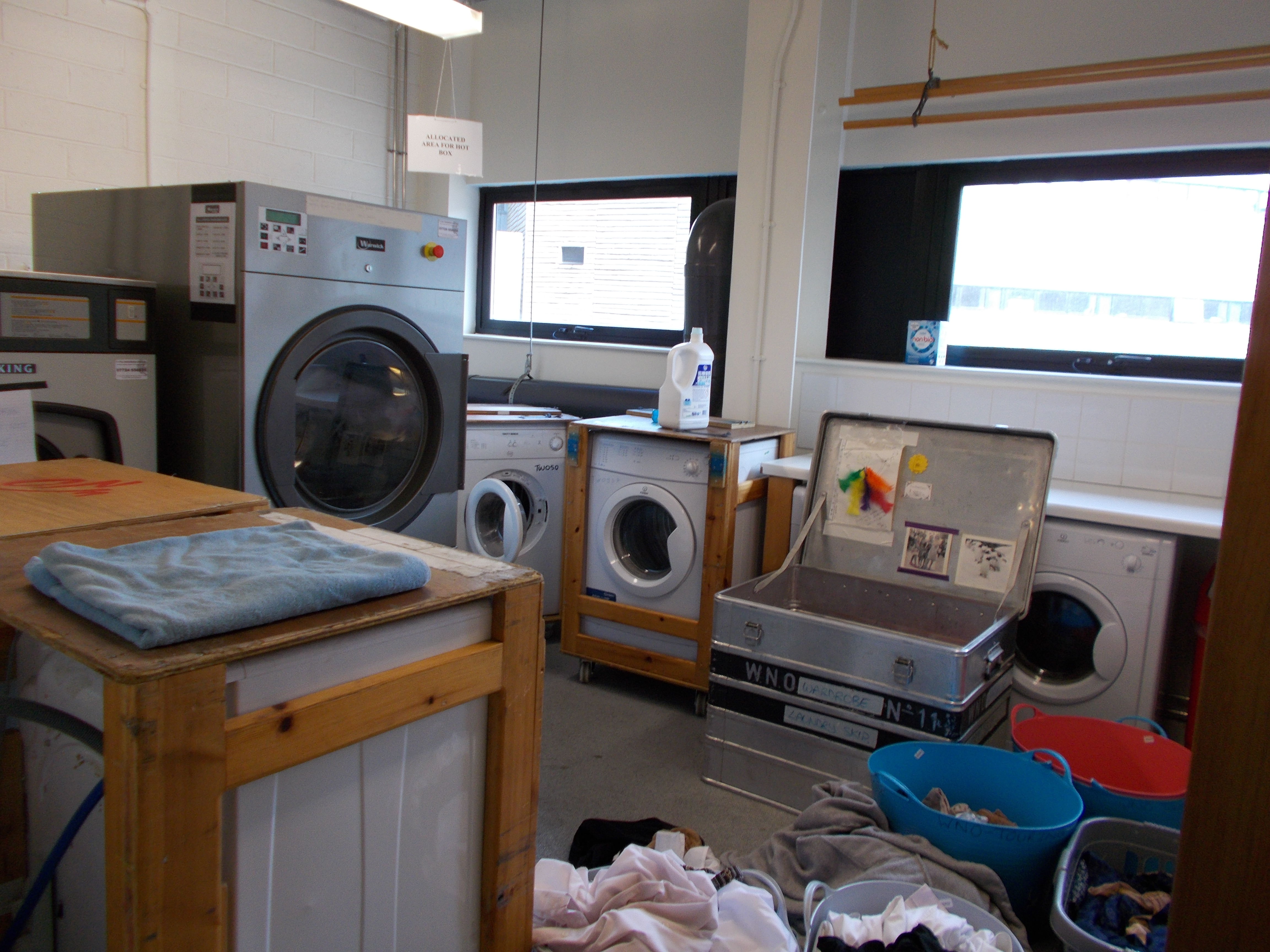
the in-house laundry (lots of blood to get out of all those costumes):

015

the famous “Scenery Street” that links all their backstage areas and rehearsal rooms:

007 006

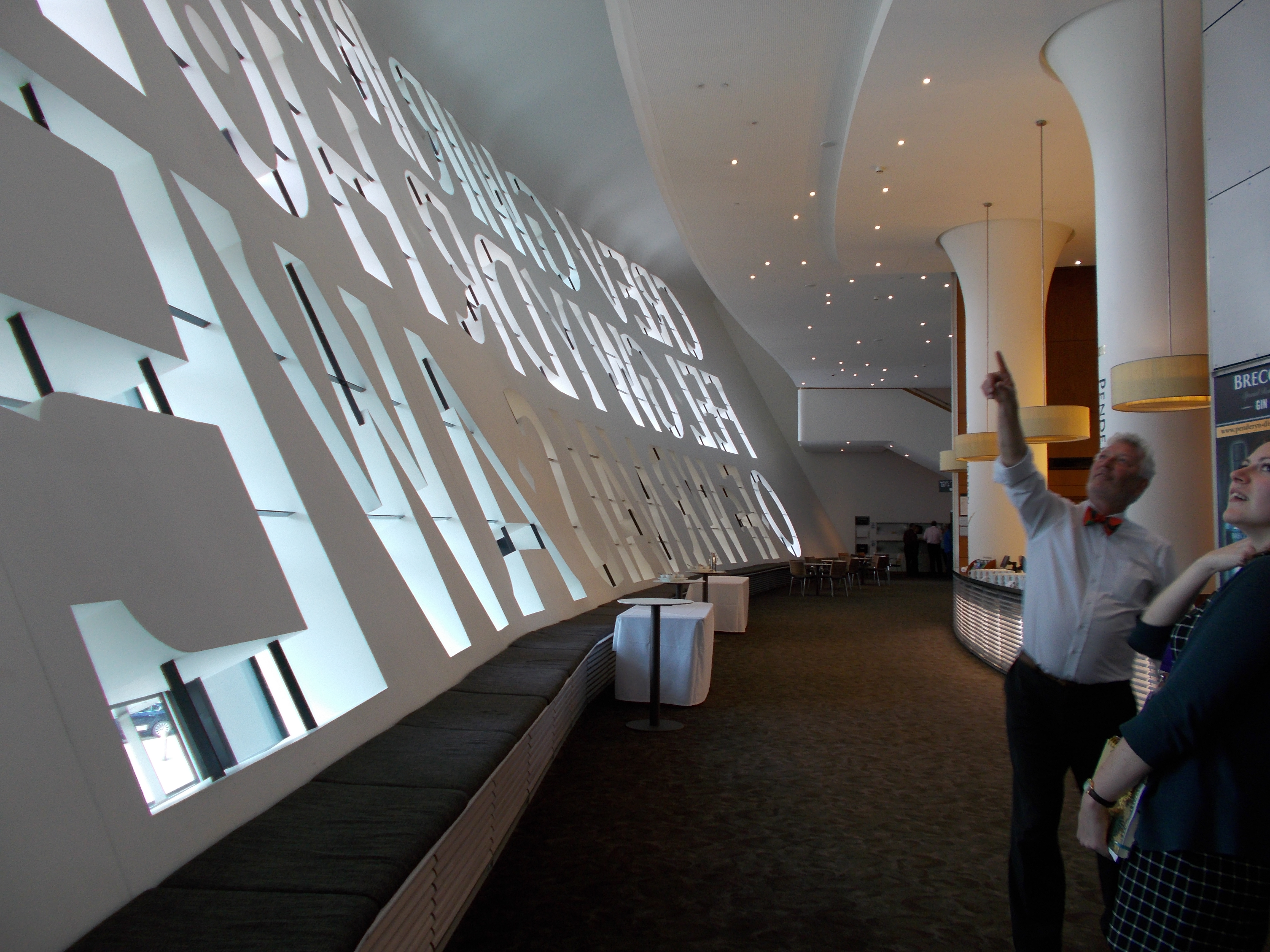
…and of course the bar with its huge multilingual inscriptions that double as windows (and which serves G&Ts with Penderyn gin).

004

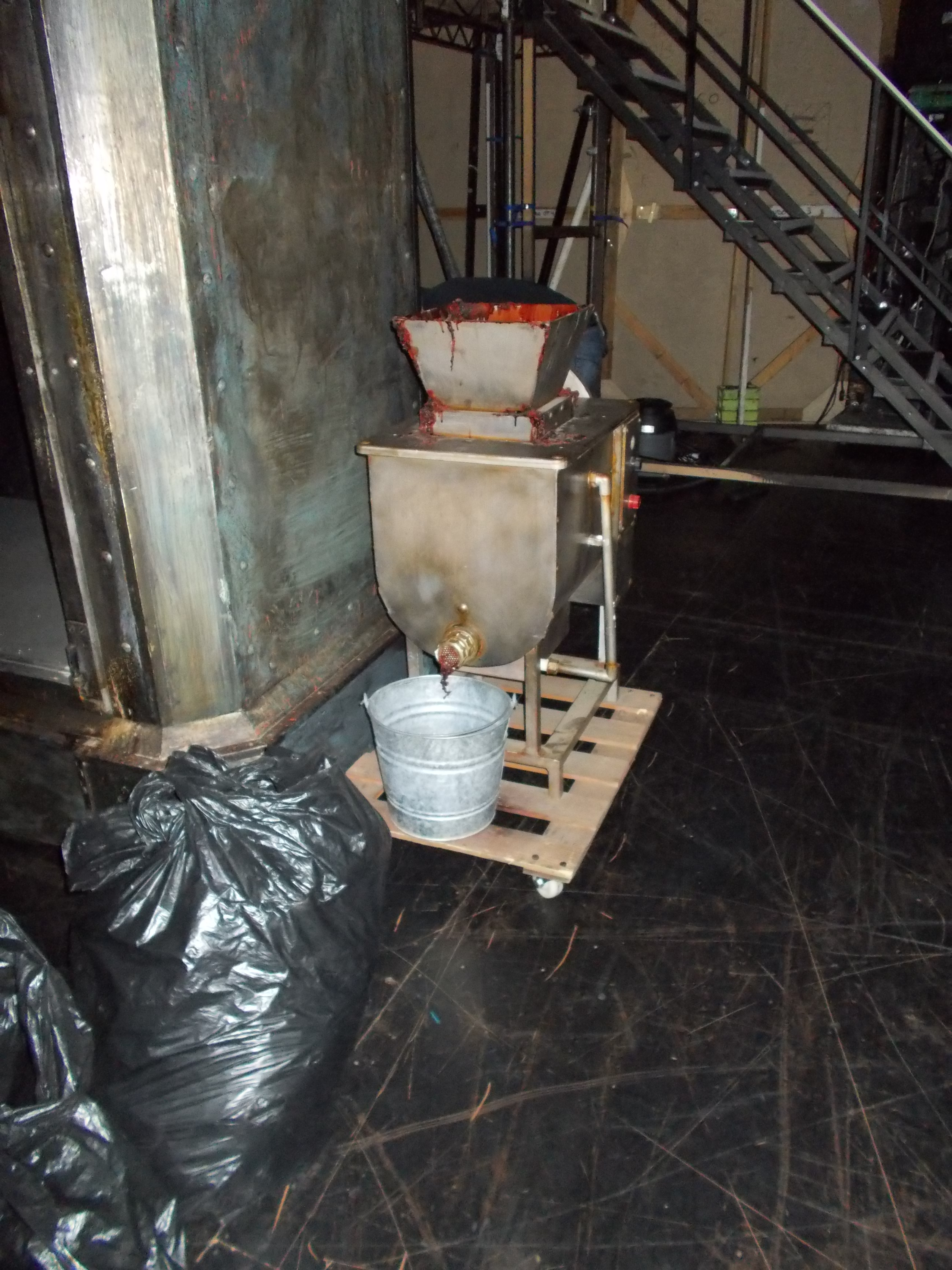
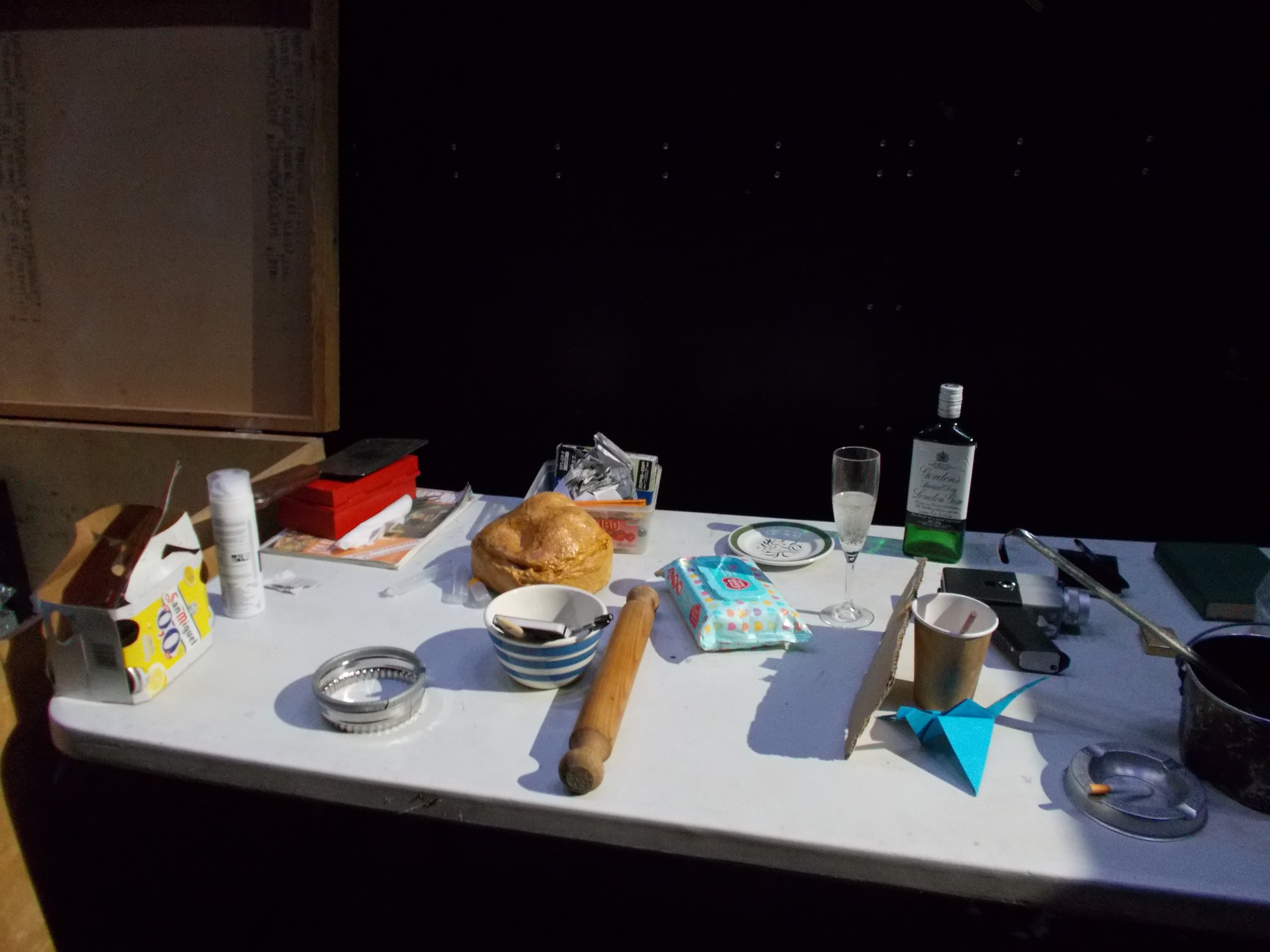
I’ve long known what a decent bunch they are at WNO, but they looked after us famously. The best bit, though – apart from the show itself, which I’ll be previewing in the Birmingham Post and reviewing at the Birmingham Hippodrome next month; meanwhile, take it from me and just GO AND SEE IT – was being literally backstage and seeing a lot of this sort of thing.

021031  029

Well, it’s Sweeney Todd, after all…what did you expect? The blood may not be real, but the pies most certainly are. Mmm…pies… Mmmm…Sondheim…

Pelleas og Isolde

16 Tuesday Jun 2015

Posted by richardbratby in Uncategorized

≈ Leave a comment

Tags

David Pountney, Longborough Opera, Pelleas et Melisande, Tristan und Isolde, Welsh National Opera

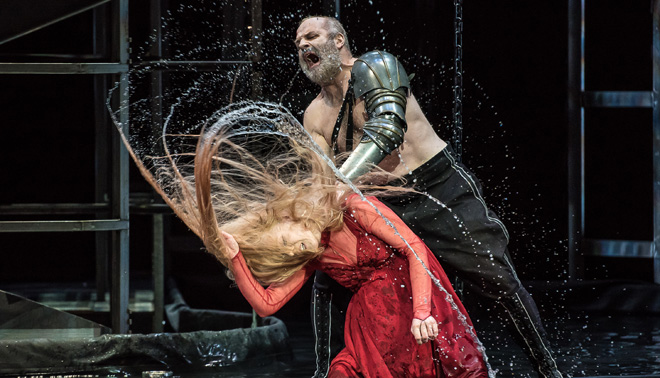
WNO: Pelleas et Melisande, directed by David Pountney. Picture (c) WNO

WNO: Pelleas et Melisande, directed by David Pountney. Picture (c) WNO

Here’s my regretfully-qualified Birmingham Post review of WNO’s Pelleas et Melisande. The last seven days have been amongst the most interesting in my reviewing life, and it must be fairly unusual to see two potentially great productions of two not-exactly-everyday operas (Nielsen’s Saul og David in Copenhagen and Pelleas in Birmingham) both holed under the waterline by the same director. What David Pountney has done for Welsh National Opera as a company is magnificent, and huge amounts of what he does is so compelling. And yet, time and again…

But anyway: Tristan und Isolde at Longborough this afternoon. Hopefully my review will be available on the Post website within the next 48 hours.

Birmingham, Stratford and Funen

12 Friday Jun 2015

Posted by richardbratby in Uncategorized

≈ Leave a comment

Tags

Birmingham Conservatoire, Birmingham Post, Carl Nielsen, Orchestra of the Swan, Welsh National Opera

010

The Birmingham Post seems to have overcome its late difficulties with posting reviews – so here are my most recent: Birmingham Conservatoire’s baroque double bill, an interesting programme from the Orchestra of the Swan and Raphael Wallfisch and Welsh National Opera’s production of Richard Ayres’ Peter Pan. And the latest of my articles about favourite classical music books is now up on Amati Magazine – not for the faint-hearted!

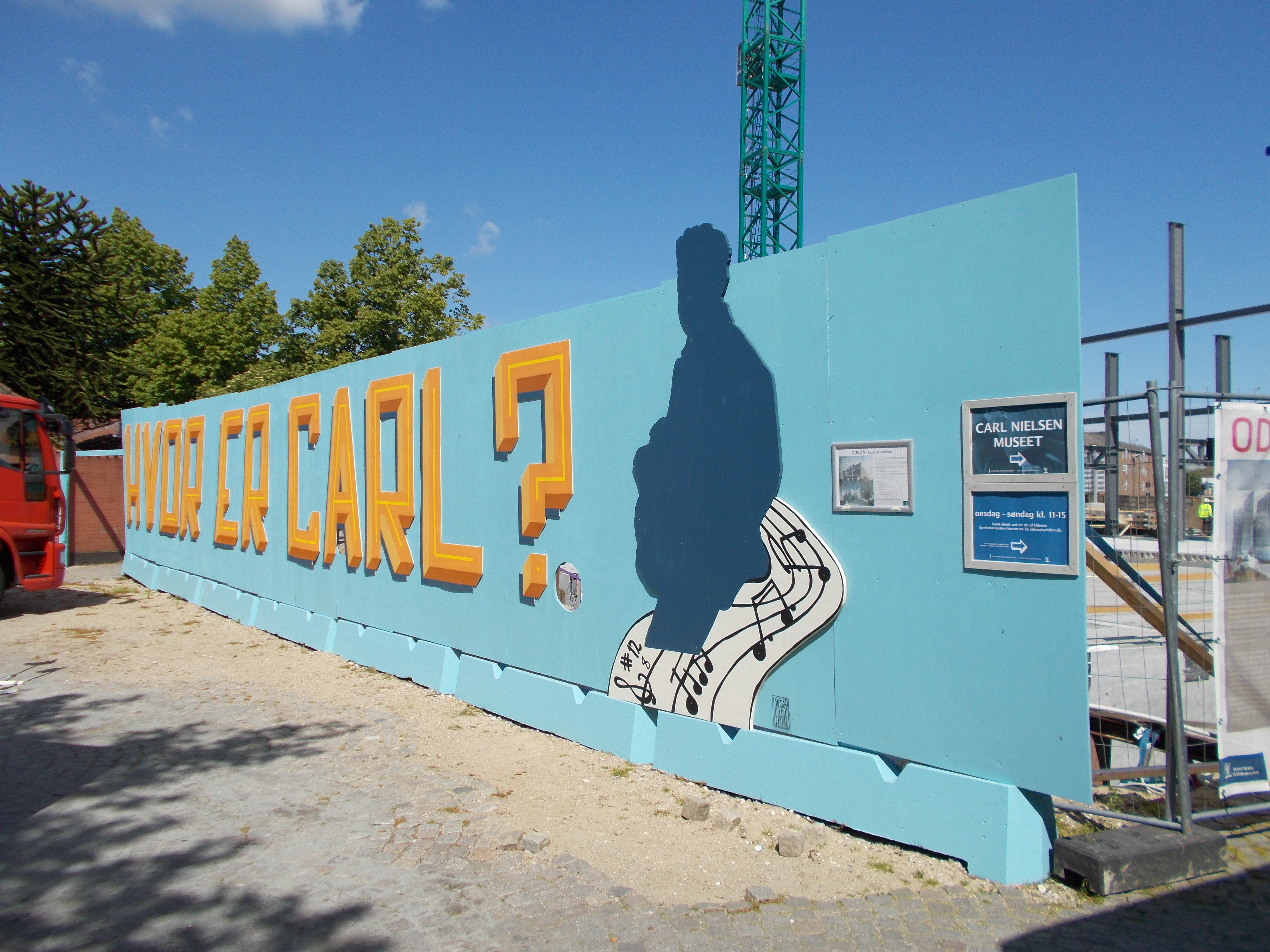
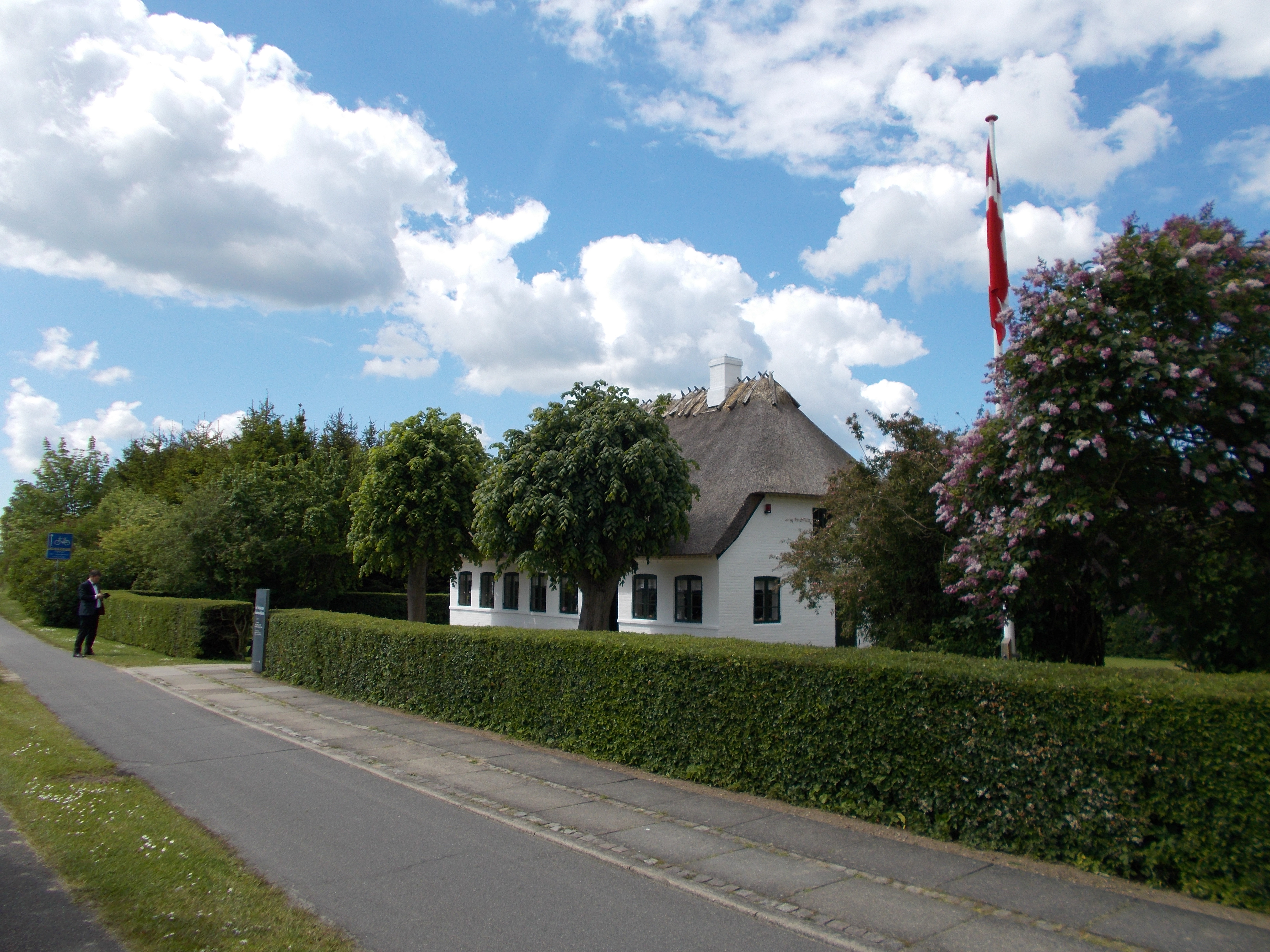
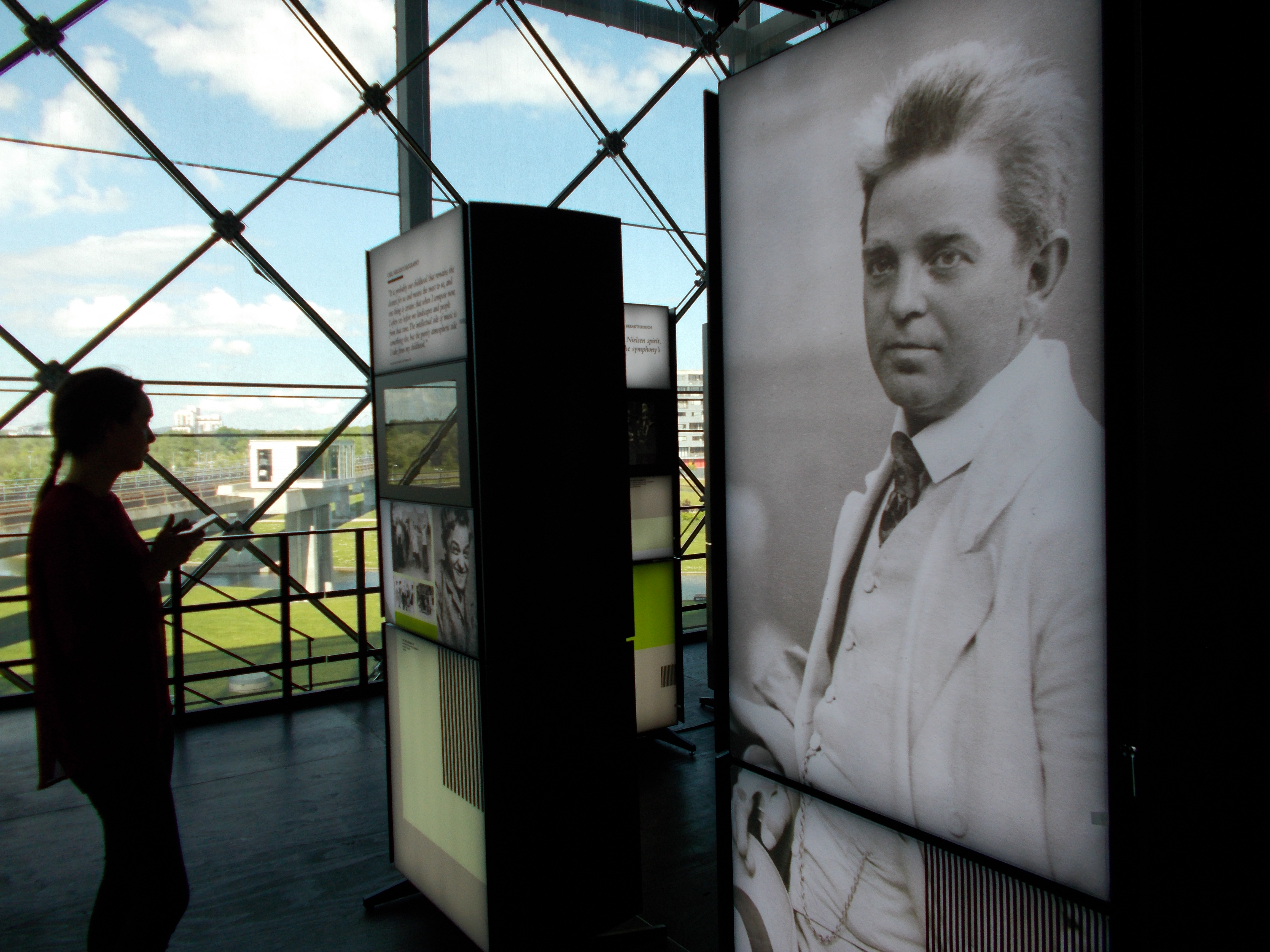
As for my big Nielsen anniversary jaunt to Denmark – watch this space. Here’s a couple of pictures for starters. And have a look at this lovely blogpost from my esteemed colleague David Nice – who was wonderfully congenial company as we explored Copenhagen and Nielsen’s “home patch” around Odense on the island of Funen.

023008

Throwback Thursday: Tristan und Isolde at 150

11 Thursday Jun 2015

Posted by richardbratby in Uncategorized

≈ Leave a comment

Tags

Longborough Opera, Mark Wigglesworth, Metro, Tristan und Isolde, Wagner, Welsh National Opera

I won’t get to review the new Tristan und Isolde at Longborough this summer, and I didn’t get to review Welsh National Opera’s most recent either. Same problem in both cases – the senior critics snaffle all the plum gigs (and plums don’t get much juicier than Wagner at Longborough). I only know that – based on what I saw of the 2013 Longborough Ring Cycle – it’ll be extraordinary. Michael Tanner once told me that in his view, Longborough embodies the spirit of Bayreuth more than Bayreuth itself, these days.

Meanwhile, here’s something I did write about Tristan for Metro, in 2006 – WNO’s revival of Yannis Kokkos’ 1993 production. Mark Wigglesworth conducted, and in light of his subsequent appointment to ENO, I think what he had to say then is still of some interest.


“Since I have never in my life known the true bliss of love, I will raise a monument to this most beautiful of all dreams – in which, from first to last, love shall be completely fulfilled”. Say what you like about Richard Wagner – he was a man of his word. In Tristan und Isolde, his 1865 re-telling of the Celtic legend of Sir Tristram and Princess Yseult, Wagner created a love story so overwhelming that even he started to wonder whether he’d gone too far: “Only mediocre performances can save me – good performances will drive people mad!”

So perhaps Welsh National Opera’s Tristan und Isolde should carry a health warning. Conductor Mark Wigglesworth certainly has some sympathy: “It gets inside you, more than any other music. It’s bad for your health!” And he should know. The buzz about this revival of Yannis Kokkos’ 1993 production is coming from a pair of remarkable young Wagnerians. One is Annalena Persson (Isolde) – the Swedish soprano who stole last season’s WNO Flying Dutchman from under Bryn Terfel’s nose. And the other – conducting Tristan for the very first time – is Wigglesworth himself.

Though it’s not his first brush with Wagner. Wigglesworth conducted The Mastersingers of Nuremberg at Covent Garden in 2002. Good training? “No – It’s absolutely no use to Tristan”. Because this opera, he explains, is a very special case indeed. “Mastersingers is a very human piece, with lots of action and genuine historical characters. Tristan is much more difficult – you’re relating to the emotions rather than the characters. Even though it’s shorter than Mastersingers, the sheer intensity that you need to maintain over the whole evening is incredible. I expect it to be much more draining”.

And it turns out that Wigglesworth has, after all, been in training for the challenge. “Starting early is the best thing. I started work two years ago – though you can’t really get to grips with the structure until you’re rehearsing full acts”. But you can begin to immerse yourself in the extraordinary emotional and philosophical world of this huge work. Tristan’s plot – an eternal love-triangle – is deceptively simple. But Wagner, as he wrote the opera, was embroiled in a passionate affair, not just with a friend’s wife, but with the writings of Arthur Schopenhauer. It’s this philosophical dimension that lifts Tristan’s central love story onto a cosmic level.

Wigglesworth’s done his homework. “As a conductor, I have to be interested in the drama – I can’t make a musical decision divorced from the dramatic situation. The idea of just conducting the orchestra is impossible for me.” And he likes what he sees on stage – “I first saw Kokkos’ production back in 1993. It just tells the story; it’s very simple. It’s not a Konzept production, with a capital K”. That’s important for him. “A lot of directors hide behind complex ideas. You can get a bit bogged down, and forget that this is a great story with extraordinary music. Our job is to tell that story.”

But how – practically – do you tell a story that begins with a cry of longing and ends, nearly four hours later, in a quarter-hour musical orgasm? For Wigglesworth, the secret’s in the pacing. “From the very first note, it flows right through to the very last note. It fulfills itself, musically and emotionally, only at the very end” he explains. “You don’t want to peak too early!”

Four hours of deferred ecstasy – no wonder some listeners find Tristan und Isolde slightly more than they can bear. And yet Wigglesworth can’t contain his enthusiasm: “Wagner was just the most extraordinary musical genius we’ve ever had – even more than Mozart”. So it’s worth it? “Tristan’s the greatest love story.  Ever. And it’s told in the most romantic music. Ever. It can transform you”. There’s your answer. Why listen to Tristan und Isolde? Well, why fall in love?
← Older posts

Contact Details

38 Beacon Street
Lichfield
United Kingdom
Staffordshire
WS13 7AJ

07754 068427

Archives

  • June 2020 (1)
  • October 2019 (2)
  • January 2018 (1)
  • December 2017 (2)
  • November 2017 (2)
  • October 2017 (1)
  • August 2017 (2)
  • July 2017 (1)
  • June 2017 (3)
  • April 2017 (2)
  • March 2017 (2)
  • February 2017 (2)
  • December 2016 (1)
  • September 2016 (3)
  • August 2016 (1)
  • July 2016 (1)
  • June 2016 (2)
  • May 2016 (1)
  • April 2016 (3)
  • March 2016 (6)
  • February 2016 (1)
  • January 2016 (3)
  • December 2015 (6)
  • November 2015 (4)
  • October 2015 (6)
  • September 2015 (5)
  • August 2015 (5)
  • July 2015 (8)
  • June 2015 (12)
  • May 2015 (12)
  • April 2015 (1)
  • February 2015 (1)
  • January 2015 (2)
  • December 2014 (4)
  • November 2014 (3)

Archives

Blog at WordPress.com.

Privacy & Cookies: This site uses cookies. By continuing to use this website, you agree to their use.
To find out more, including how to control cookies, see here: Cookie Policy
  • Subscribe Subscribed
    • Richard Bratby
    • Join 29 other subscribers
    • Already have a WordPress.com account? Log in now.
    • Richard Bratby
    • Subscribe Subscribed
    • Sign up
    • Log in
    • Report this content
    • View site in Reader
    • Manage subscriptions
    • Collapse this bar
 

Loading Comments...